.svg&w=384&q=75 "Naijagoal logo")

France's Tactical Dilemma: Will Tchouameni Play Against Morocco?
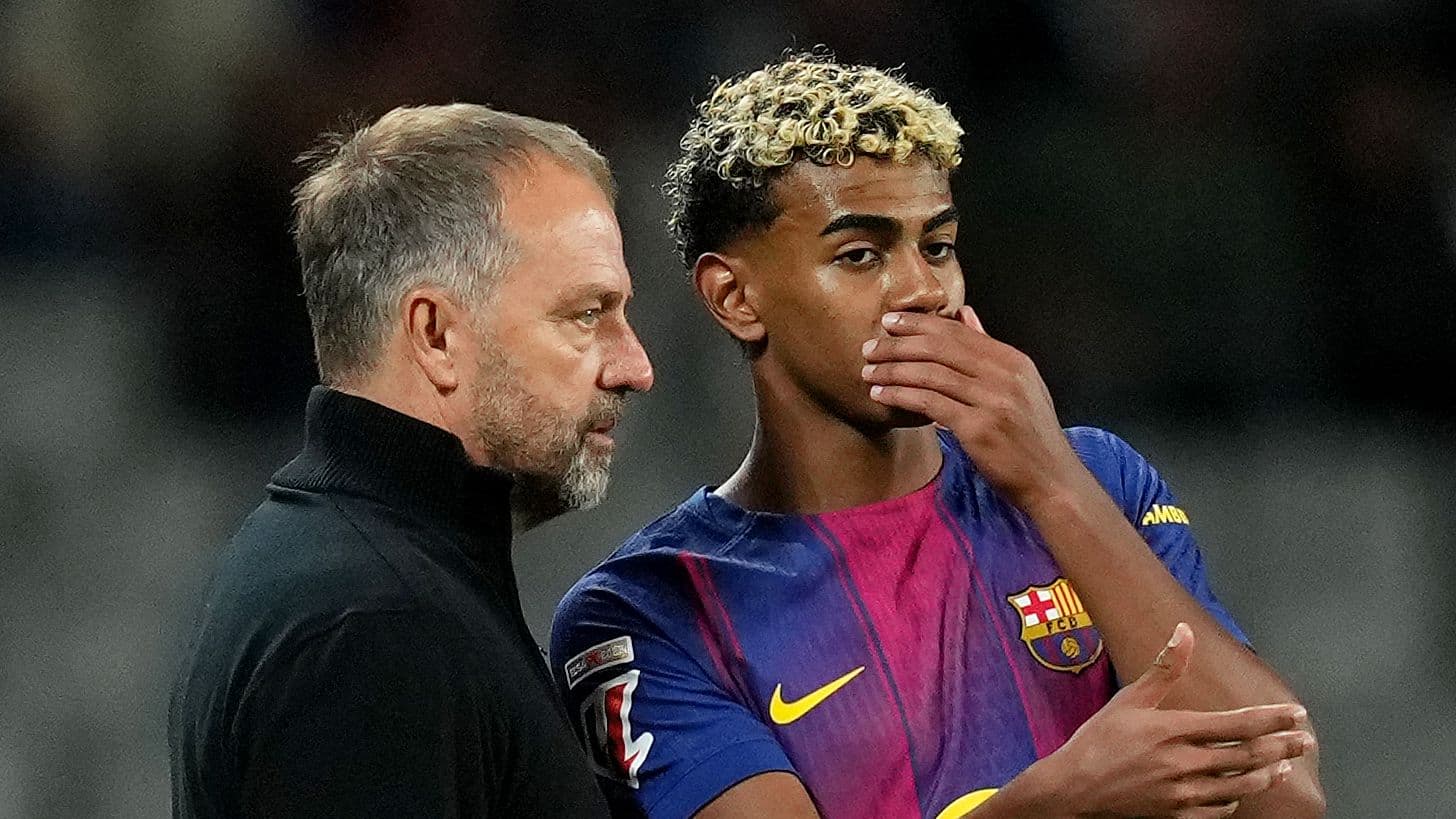
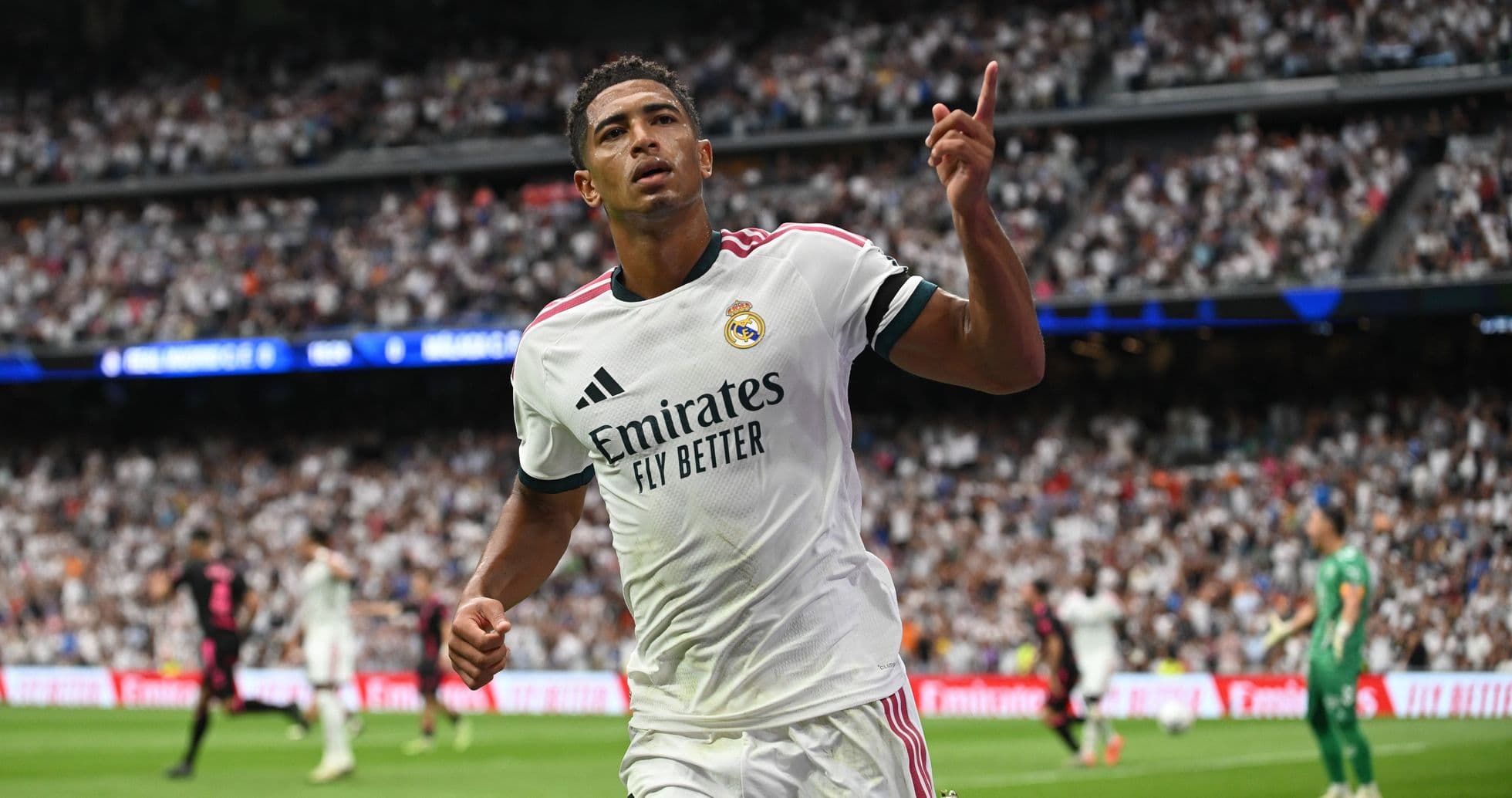
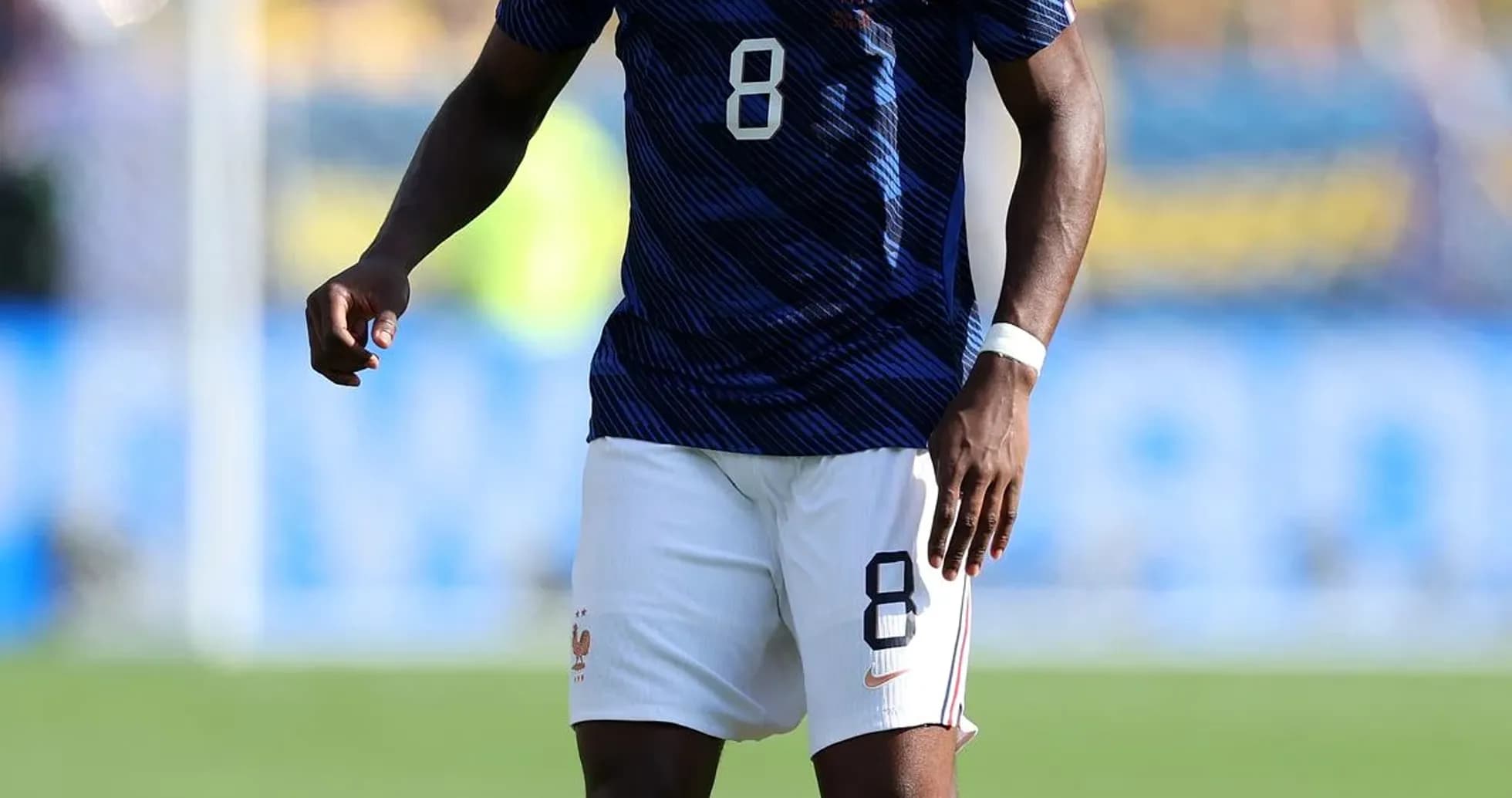
Aurélien Tchouameni’s groin has become France’s biggest tactical question.
The Real Madrid midfielder, vice-captain and Deschamps favourite, limped out of training after the round-of-32 win over Sweden and watched from the sidelines as Les Bleus edged Paraguay 1-0 in the last 16. Now, on the eve of a quarter-final against Morocco in Boston, the entire shape of France’s midfield hangs on whether he can train – and trust his body – in time.
Deschamps, speaking on Wednesday, cut a cautious but optimistic figure. “I don’t have all the information yet,” he admitted. “Aurelien is better, but I left early this morning. He’s the only one who needs to be seen, but he’s doing better. He might participate in the training session today. All other players are available.”
So the equation is simple. If Tchouameni is passed fit, France regain their metronome. If not, Deschamps sticks with the pairing that survived a bruising night in Philadelphia.
Kone and Rabiot ready if Tchouameni falls short
With Tchouameni sidelined against Paraguay, Deschamps turned again to Roma’s Manu Kone alongside Adrien Rabiot at the base of midfield. It was not pretty. It was not meant to be. In a tense, ill-tempered contest, France leaned on structure, grit and a flash of composure from Kylian Mbappe, whose second-half penalty dragged them over the line.
Kone did enough to keep the trust of his manager. So did Rabiot. If the medical staff advise against risking Tchouameni from the start, those two look set to continue as the pivot for a France side widely viewed as favourites against Morocco.
The rest of the team, barring late surprises, almost picks itself.
Mike Maignan will continue in goal, the calm at the back of a side built on defensive reliability. In front of him, Jules Kounde, Dayot Upamecano and William Saliba have become non-negotiable picks, the core of a back line that Deschamps has no intention of tinkering with at this stage of the tournament.
Left flank locked, front line loaded
Where France have experimented, they now appear to have settled. The only real rotation during this World Cup has come at left-back and left wing. That battle looks over.
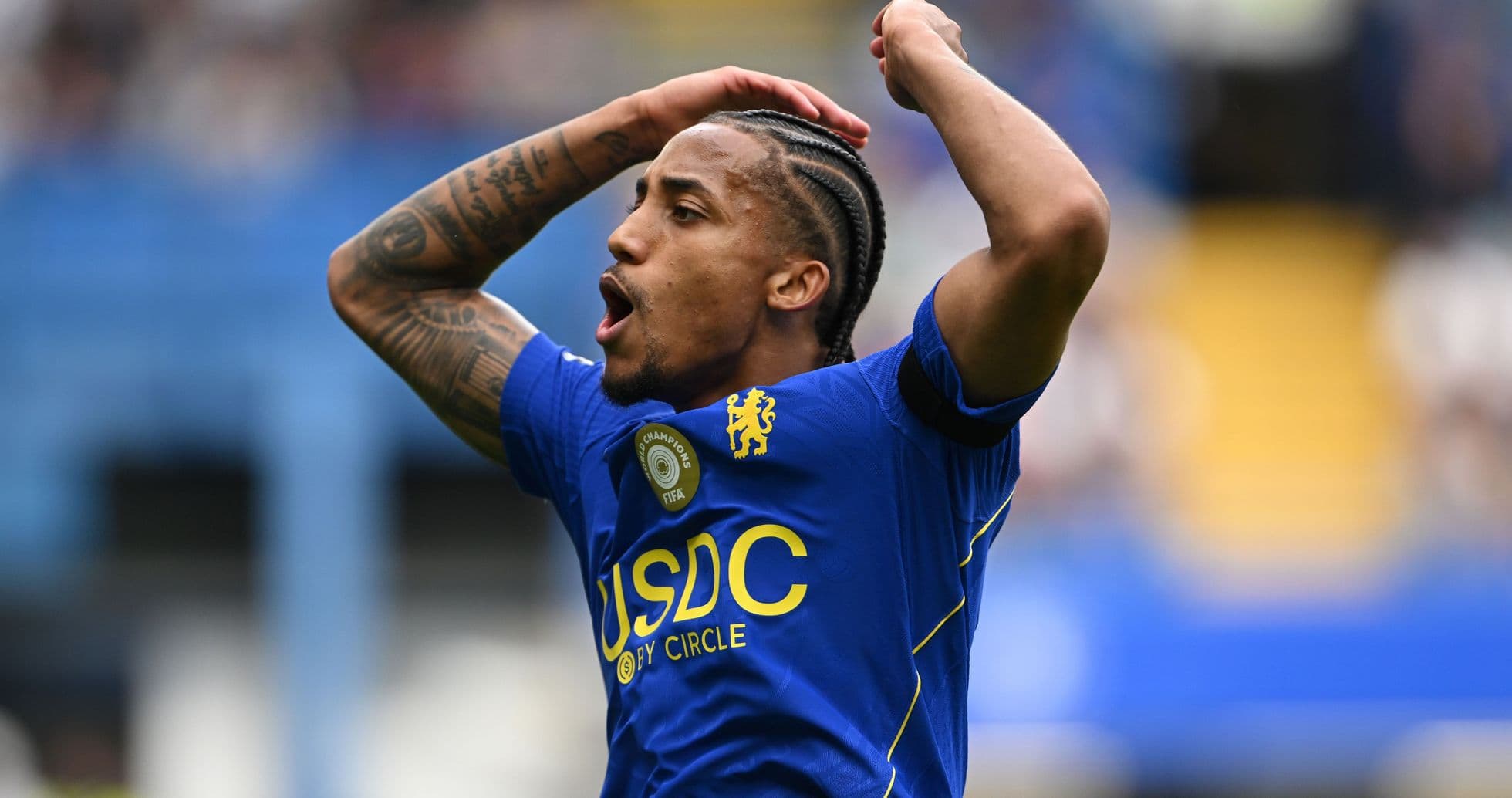
Lucas Digne has edged ahead at full-back, his balance between caution and adventure suiting knockout football. In front of him, Bradley Barcola has seized his chance on the left of the attack, nudging ahead of Theo Hernandez and Desire Doue in Deschamps’ thinking.
On the right, Ousmane Dembele provides width and chaos. Michael Olise, cutting in from the opposite flank, offers guile and end product. Between them, Mbappe remains the reference point, the man who decides tight games with one run, one touch, one penalty under pressure.
It is a front three designed to stretch Morocco in every direction.
Yellow-card tightrope for France’s young guns
There is a shadow over this quarter-final, and it comes in the form of yellow cards. France pushed to have Olise’s booking against Paraguay wiped. They failed.
The ruling bites hard. If Olise is cautioned again and France go through, he will miss the semi-final. The same risk hangs over Kone and Barcola. At this expanded tournament, cautions are not cleared until after the quarter-finals for the second time, leaving several of Deschamps’ key young players walking a disciplinary tightrope.
So Deschamps faces a delicate balance: unleash his most dynamic XI against Morocco, or manage minutes and risk dulling France’s edge to protect options for what might come next.
What is clear is this: the plan is continuity. Same goalkeeper. Same defence. Same attack. The only real variable is Tchouameni, the midfielder whose fitness could tilt the entire feel of France’s performance.
If he starts, France gain control and authority in the middle. If he watches again, Kone and Rabiot must carry the load – and prove that in a tournament defined by fine margins, they can keep France on course for the final.