.svg&w=384&q=75 "Naijagoal logo")

FIFA 2026 World Cup: A Beginner's Guide to the Tournament
Understanding the FIFA 2026 World Cup
The FIFA World Cup stirs excitement like no other event in football, or soccer as it’s called in North America. For almost a century, this tournament has been the pinnacle of international football competition. In 2026, for the first time ever, three countries will jointly host the event: Mexico, Canada, and the United States.
The opening match kicks off on June 11 in Mexico City, with the final scheduled for July 19 in New Jersey, USA. This edition is the biggest yet, featuring 48 teams instead of the traditional 32.
Tournament Format
The teams are divided into 12 groups of four, based on their world rankings. The top two from each group automatically advance to the round of 32. Additional slots come from the best third-place teams, filling out the knockout stage. Matches last 90 minutes, split into two halves of 45 minutes, with a 15-minute break at halftime.
The clock doesn’t stop during play, but referees add extra minutes at the end of each half to make up for delays like injuries or water breaks, which help players cope with the summer heat. During the group phase, matches can end in a draw; there are no penalty shootouts. Afterward, tied games go into 30 minutes of extra time, followed by penalties if needed.
Host Cities Across Three Nations
- Mexico: Guadalajara, Monterrey, Mexico City
- Canada: Toronto, Vancouver
- USA: Atlanta, Boston, Dallas, Houston, Kansas City, Los Angeles, Miami, New York/New Jersey, Philadelphia, San Francisco Bay Area, Seattle
Top Contenders
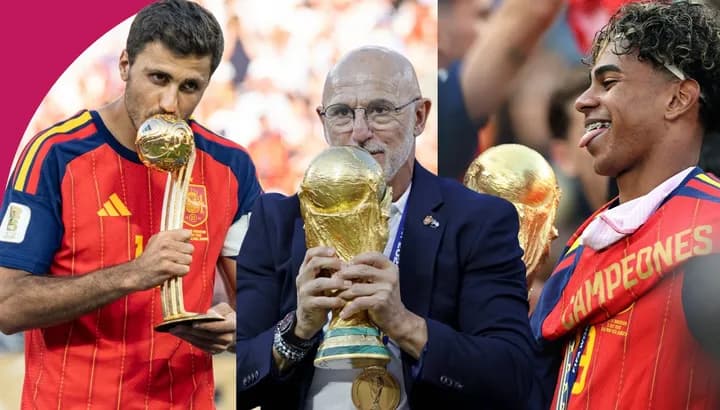
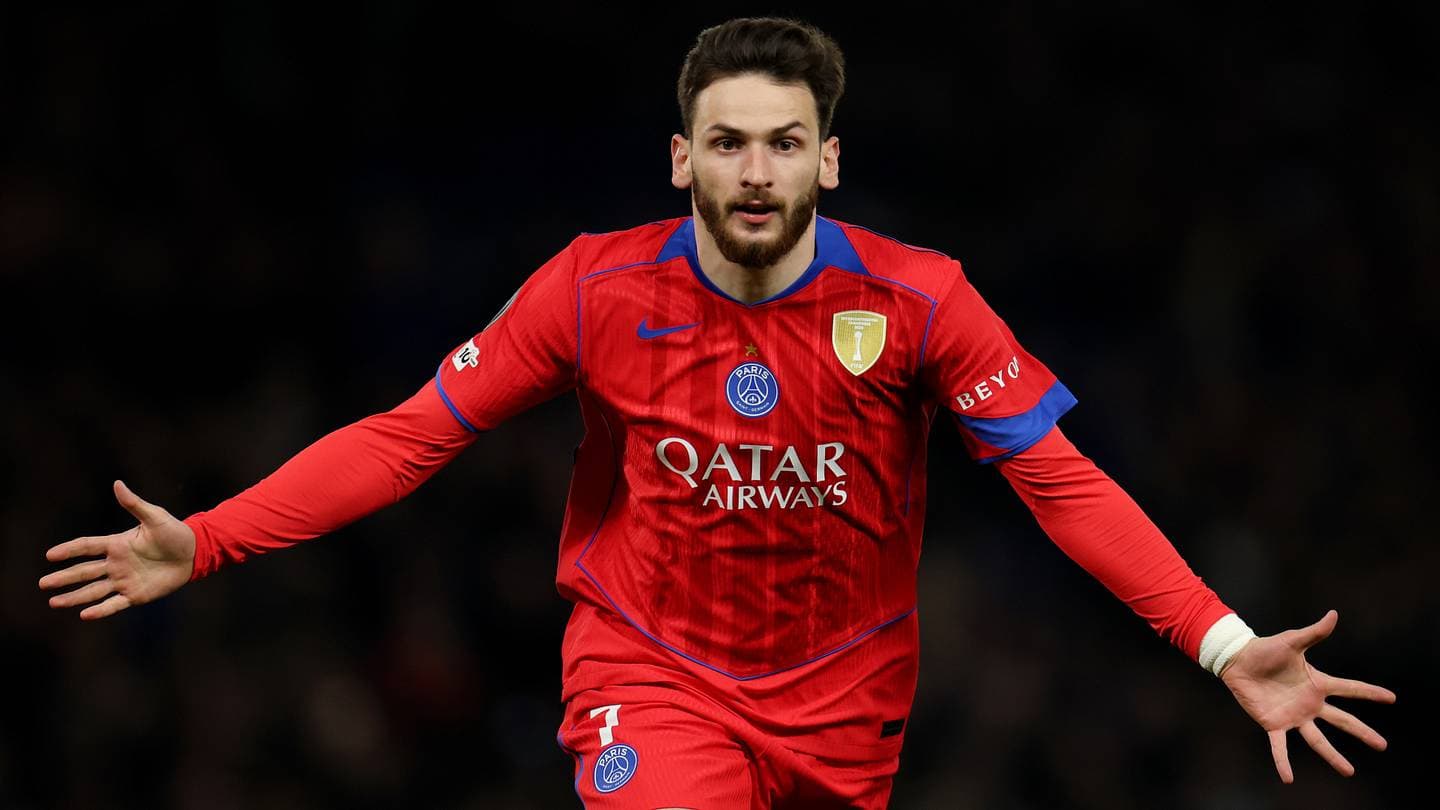
France, winners twice before, and Spain, champions in 2010, are among the favourites. France boasts stars like Kylian Mbappé and Ousmane Dembélé, who shine in Europe’s elite leagues. Spain relies on young talent such as 18-year-old Lamine Yamal, aiming for another major title soon.
England hopes to overcome recent final losses in European Championships. Brazil, the most successful nation historically with five titles, seeks its sixth trophy, a first since 2002.
Players to Watch
Mbappé returns for his third World Cup, having lifted the trophy in 2018 and narrowly missed in 2022. Yamal could emerge as one of football’s brightest stars. Lionel Messi and Cristiano Ronaldo, two legends whose rivalry defined the past two decades, are likely playing their final major tournament at ages 39 and 41 respectively.
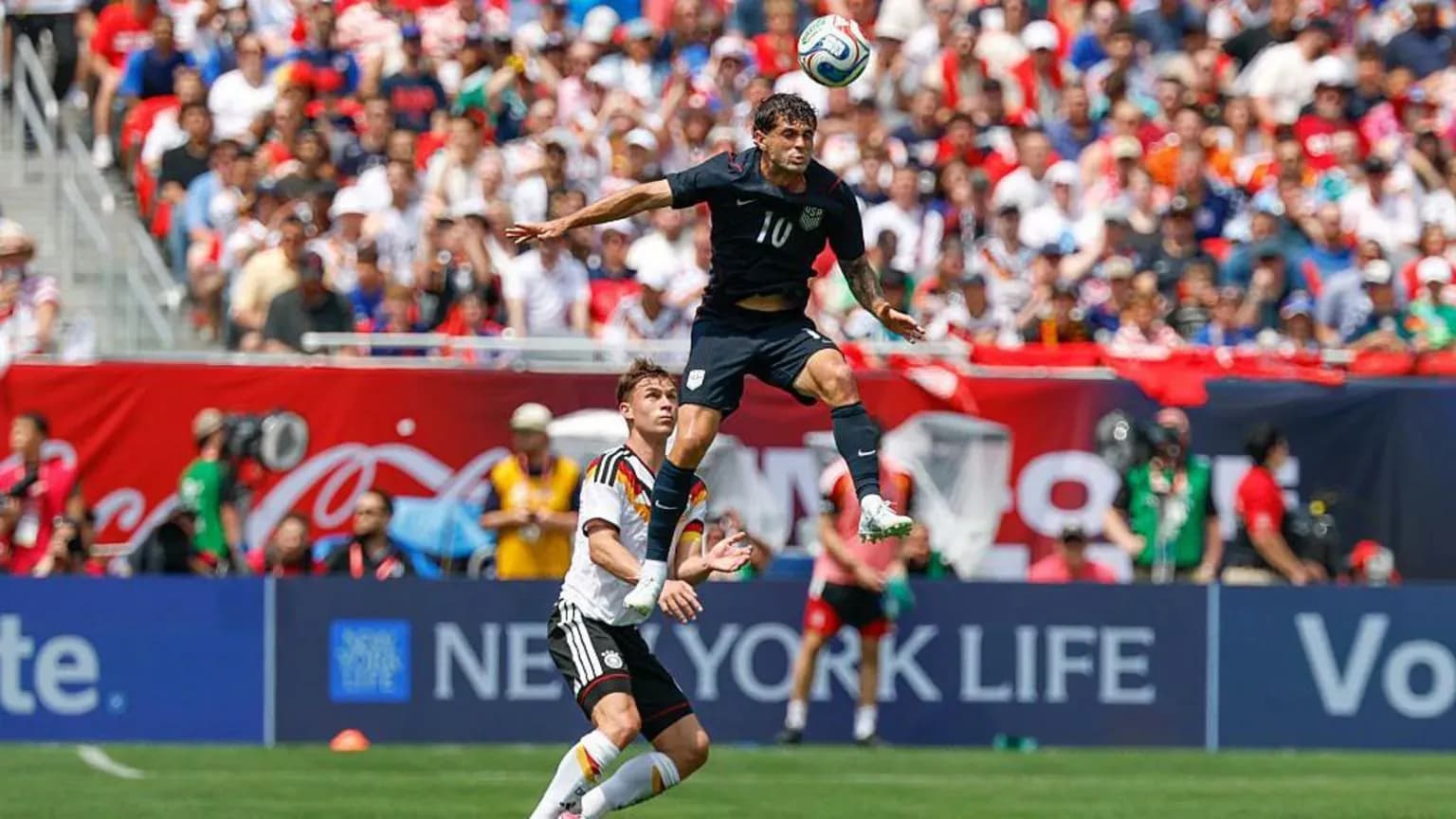
Other notable players include Brazil’s Neymar and Vinícius Júnior, England’s Jude Bellingham, USA’s Christian Pulisic, Canada’s Alphonso Davies, South Korea’s Son Heung-min, Ghana’s Antoine Semenyo, and Norway’s Erling Haaland, who has led goal-scoring charts in the English Premier League multiple times.
Newcomers Making History
The expanded format opens doors for fresh faces. Curaçao, with just 156,000 people, will be the smallest nation ever at the World Cup, breaking Iceland’s 2018 record. Cape Verde also debuts with a population of about 500,000.
Jordan qualifies for the first time, led by coach Jamal Sellami, who was honored with citizenship for his role in their success. Uzbekistan enters the tournament with experience from head coach Fabio Cannavaro, a 2006 World Cup-winning captain for Italy.
Matches with Deeper Stories
Some games carry layers beyond sport. When France faces Senegal on June 16, colonial history adds weight to the contest. Senegal famously upset France in 2002 when the French were defending champions.
Ghana and England, also linked through colonial history, meet in Philadelphia on June 23. Another notable clash is between Iran and Egypt in Seattle, a city proud of its LGBT community, despite both countries having laws against same-sex relations. Both federations objected to this match, which carries political and social significance.
Iran’s team will base themselves in Mexico but travel to the US for their games amid tense geopolitical circumstances. Meanwhile, Haiti returns after nearly 50 years, facing Scotland, also making a comeback after almost three decades.