.svg&w=384&q=75 "Naijagoal logo")

England's Thrilling Win Over Croatia – Defensive Concerns Persist
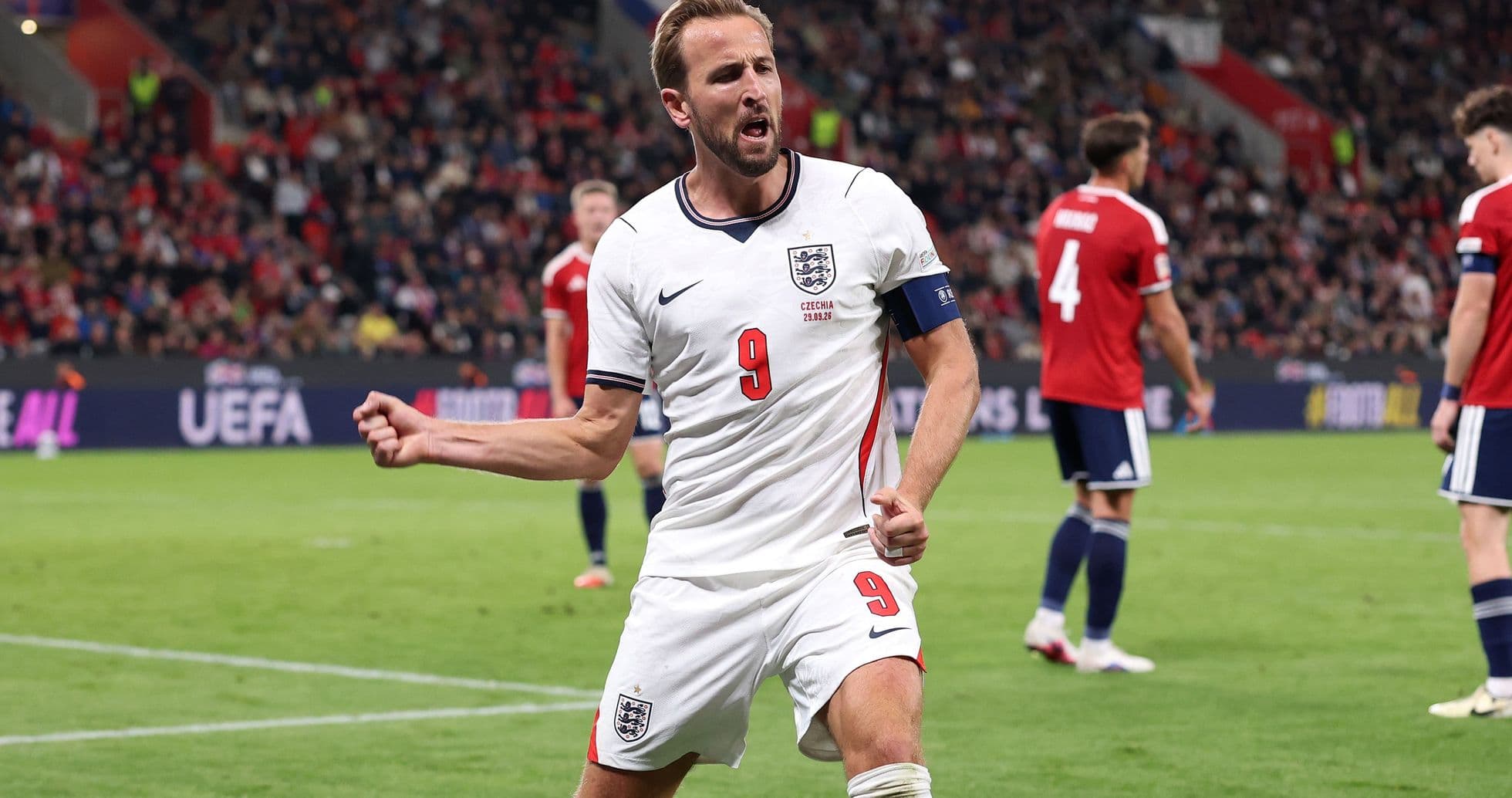
England 4-2 Croatia, and the scoreline tells only half the story. The attacking swagger is there. The questions at the back are not going anywhere.
Thomas Tuchel’s side opened their World Cup campaign with a chaotic, compelling win that will satisfy the headline writers but leave the analysts – and a few former England greats – poring over the tape.
Rooney’s warning shot on England’s soft centre
Wayne Rooney has seen enough World Cup campaigns unravel to know where the danger lies. His verdict on Croatia’s first goal cut straight to the point: England switched off, and were punished.
“We could do so much better with the first goal,” he said, dissecting the move with a striker’s ruthless eye. Jude Bellingham, he felt, was “a bit flat-footed” as the challenge came in. John Stones, instead of standing his ground, went to ground when there was “no real danger” with Jordan Pickford set behind him.
Pickford then gambled, Rooney argued, and once he dived in, Nico O’Reilly was dragged across to cover. Croatia took full advantage: a clean set, a sharp cut-back, a tidy finish. Textbook from their perspective. Avoidable from England’s.
Could Pickford have done more? Rooney did not let the goalkeeper off. Pickford got a strong hand to the shot, and that, in Rooney’s world, means he will “be disappointed”. The former captain has always been demanding of keepers. This was no exception. England scored four, but the defensive details still grated.
Richards: England “played into Croatia’s hands”
Micah Richards went even broader. For him, both Croatian goals fell into the same category: preventable, and rooted in England’s positioning.
If England’s energy without the ball was impressive, their use of it was not always as smart. Richards argued they allowed Croatia’s technicians too much room to dictate, dropping too deep and inviting pressure rather than squeezing the game.
The fix, in his eyes, is simple and physical: push up 10 or 15 yards, compress the pitch, and those dangerous pockets never open up. The legs are there, especially with the bench Tuchel can call on. Richards sees that energy from the substitutes as “pivotal” for what comes next. The intensity is a weapon. England just have to use it higher up the field.
Stones, Konsa and a selection dilemma for Tuchel
At the heart of it all sits Tuchel’s big early call: John Stones and Ezri Konsa as his central defensive pairing. On paper, a blend of class and composure. On the grass, it looked anything but settled in a first half that saw Croatia score twice.
Stones, short of minutes at Manchester City last season, saw plenty of the ball here. He stepped out, took responsibility, tried to knit attacks together from deep. That is the upside of picking him. The downside is the risk when rhythm is missing and the opposition press is sharp.
Alongside him, Konsa – a mainstay for Tuchel since he took the job – produced flashes of the calm that has made him a favourite. Yet even he looked short of his usual timing next to a partner he does not yet move in sync with.
So the question arrives quickly for the England manager: does he stick or twist before Ghana? Does he back Stones and Konsa to grow into the tournament, or does he turn to Marc Guéhi to steady the axis and cut out the kind of chances Croatia feasted on?
Tuchel has never been afraid of a bold decision. This one, so early in a World Cup, will define the tone of England’s campaign.
Gordon’s moment – and a message about ego
At the other end of the pitch, Anthony Gordon lived the night every kid dreams about. World Cup debut. A 4-2 win. A role in an England front line that looks capable of hurting anyone.
“It has been a crazy couple of weeks and that just topped it off,” he told BBC Radio 5 Live. First World Cup game, childhood dream, all of it. Yet his focus quickly shifted away from himself.
“Self-centredness is a disease and I don't want to be a part of that,” he said, framing the night as a collective effort. He name-checked Marcus Rashford, Bukayo Saka and Morgan Rogers as impact players off the bench, insisting “it is about the team”.
Gordon did not gloss over the struggle either. Croatia’s first-half strike “came from nowhere and stunned us a little bit,” he admitted. England’s response after the break – stronger, sharper, more ruthless – delivered “what we wanted”, but he underlined how good Croatia had been and how that should not be underestimated.
For a young forward on his first World Cup stage, it was a mature reading of a wild game.
Rashford reminds Europe of his value
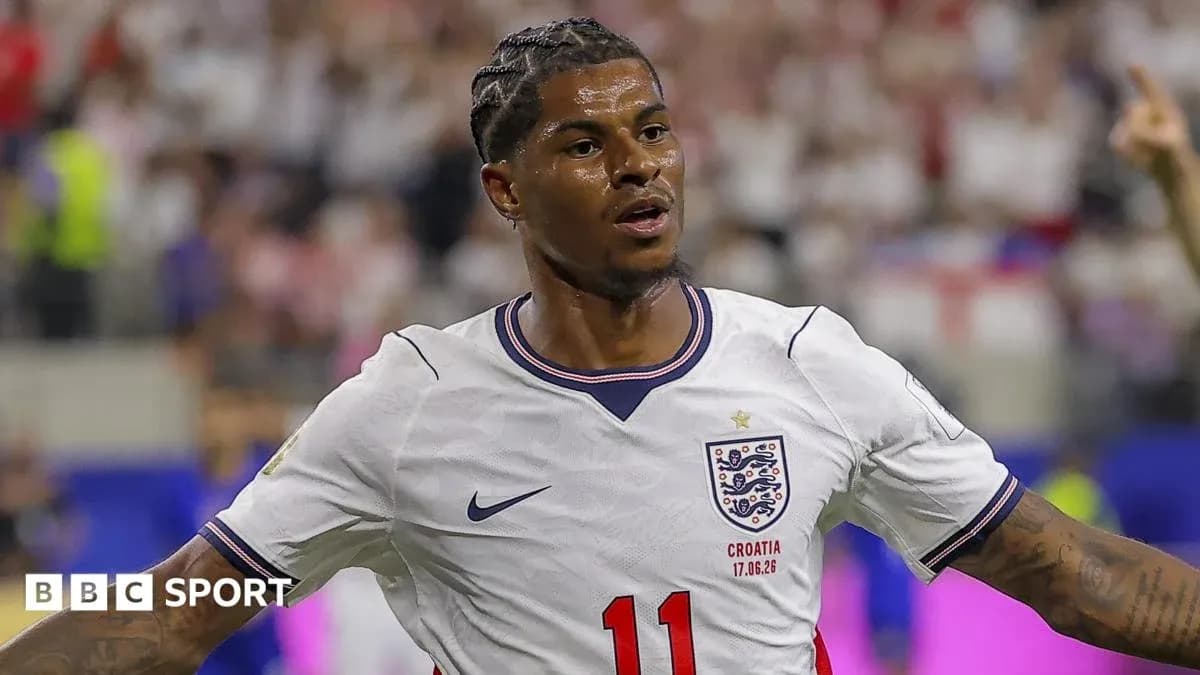
If the night belonged to Gordon emotionally, Marcus Rashford made sure his own story stayed firmly in the spotlight.
Brought on in the second half, he scored and “made a pretty positive impact”, as BBC Sport’s Simon Stone put it. For England, that is a welcome contribution from a player whose confidence has fluctuated in recent seasons. For Manchester United, it complicates an already delicate summer.
On 1 July, Rashford officially reverts to being a United player. Barcelona had the option to make his move permanent for £26m. They walked away. United’s stance is clear: they want £40m, with two years still to run on his £325,000-a-week deal, and they will not entertain another loan to the Camp Nou.
The market for a player on that salary is tiny. United cannot force him anywhere, and Rashford will choose his next move carefully. As it stands, the club expect him back after his three-week post-World Cup break, in time for a training camp in the Republic of Ireland.
There is time yet for the picture to change. Performances like this, on the biggest stage, only sharpen the focus. For England, Rashford’s resurgence is a weapon. For United, it is both an opportunity and a problem to solve.
Four goals, three points, and a statement of attacking intent. But as the plane turns towards Ghana, the real issue for Tuchel is clear: can he tighten the back door quickly enough to let this frontline carry England where they believe they can go?