.svg&w=384&q=75 "Naijagoal logo")

England Embraces Palm-Cooling Tech for World Cup Heat
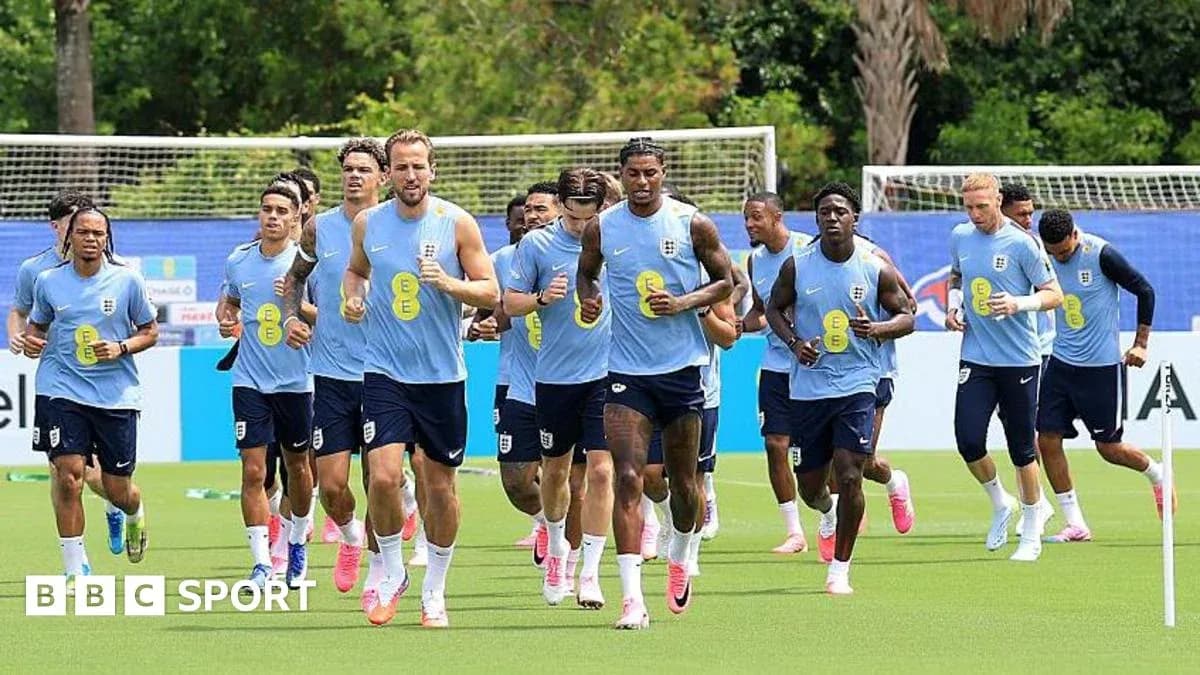
The Florida sun did not ease them in gently. As England stepped out for their first training session in West Palm Beach, the temperature nudged 32C, the humidity wrapped itself around the players, and the reality of this World Cup hit home.
This tournament will not just be about tactics, talent or temperament. It will be about heat. Studies suggest at least a third of matches will be played in conditions above 26C, a punishing backdrop for a team that has just crossed the Atlantic from a far cooler climate.
England’s response is unapologetically modern.
High-tech answer to an old problem
Players are set to use high-tech palm-cooling devices throughout their stay in the United States, a method that has quietly spread through elite sport and is already in use at clubs such as Manchester United.
The science is simple enough, the impact anything but. Research indicates that cooling the palms can sharply reduce core body temperature, easing the strain on players during intense sessions and helping them recover faster between sprints, presses and repeated high-intensity efforts. In a World Cup played in heavy heat, that marginal gain could become a decisive advantage.
England are understood to be integrating the devices into training in Florida and plan to use them during the scheduled water breaks at World Cup matches. This is not a gimmick for the cameras; it is being built into the rhythm of their preparation.
“Build capacity to the conditions”
The first week in the States has been framed as an acclimatisation block, a period to harden bodies and minds to the conditions they will face when the tournament begins.
Asked about the importance of adapting early, Jordan Henderson was clear. This opening stretch, he said, is about “build[ing] capacity to the conditions”, with the warm-up fixtures designed to stress the players in the right way before the real thing starts. The Brentford midfielder highlighted the “team behind the team” and their “top level research” into “cool down and recovery”, underlining how much thought has gone into every detail.
“Hopefully that can give us a little edge when we get into the tournament,” he added. It is a line that sums up England’s approach: embrace the science, chase the edge, leave as little as possible to chance.
Warm-up tests before the real heat
The schedule now accelerates. England face New Zealand on Saturday, 6 June (21:00 BST), a first chance to see how the squad copes with match intensity in these conditions. Costa Rica follow on Wednesday, 10 June (21:00), another step up, another data point for the staff monitoring every drop of sweat.
These are not friendlies in name only, but live rehearsals for what awaits.
Thomas Tuchel’s side then move into World Cup mode. Croatia await on Wednesday, 17 June (21:00), a demanding opener before clashes with Ghana on 23 June (21:00) and Panama on 27 June (22:00). Each game will bring its own tactical questions, but all three will be framed by the same environmental challenge.
England have chosen to meet that challenge head-on, with ice-cold palms in blistering heat. In a tournament that could be decided by who fades last in the final 20 minutes, that might be the smallest detail that makes the biggest difference.