.svg&w=384&q=75 "Naijagoal logo")
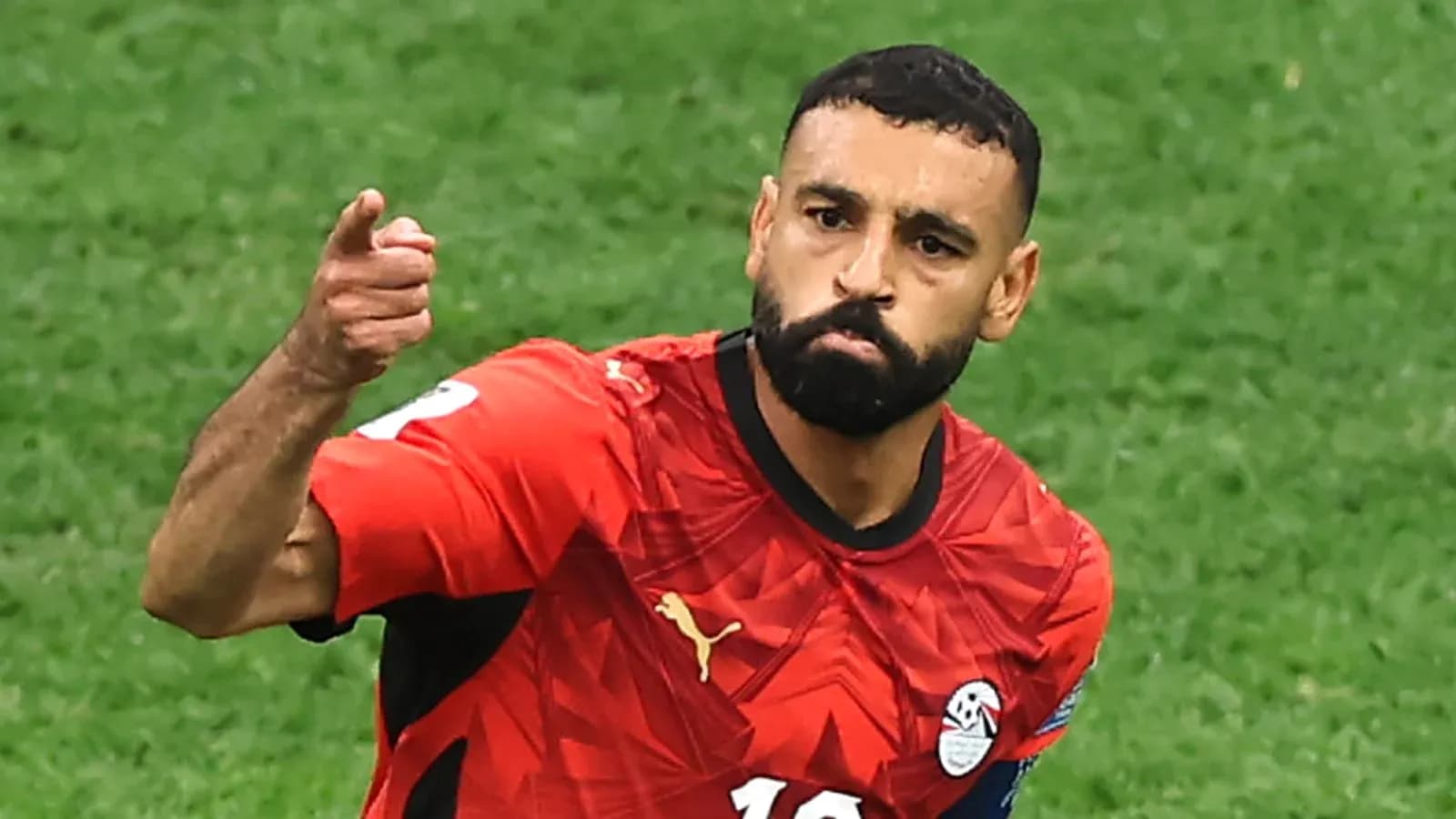

Egypt Achieves Historic First World Cup Win with Salah's Brilliance
Egypt had waited nearly a century for this. Three World Cup appearances, no victories, a catalogue of regret stretching back to 1934. For 45 anxious minutes in Vancouver, it looked like the wait would go on.
Then Mohamed Salah decided it wouldn’t.
The 34-year-old, in what feels like the epilogue to a glittering career, scored one and made another as Egypt overturned a deficit to beat New Zealand 3-1 and finally claim their first-ever World Cup win. It was not pretty at first. It did not need to be. It was historic.
New Zealand strike, Egypt sleepwalk
New Zealand started like the side chasing history, not Egypt. Darren Bazeley’s team were brave on the ball, sharp between the lines and unafraid of the occasion.
Mostafa Shobeir had already been forced into a sharp save at his near post from Elijah Just on 14 minutes when the breakthrough arrived. From the resulting corner, Finn Surman wandered into space Egypt simply refused to guard. The defender met the delivery with a thumping header, punishment for static, absent-minded marking. 1-0, and fully deserved.
Egypt looked rattled, flat, almost stunned by the intensity. Salah, nominally the star attraction in this so-called World Cup of the superstar, barely flickered in the opening half. His one real sight of goal came on 35 minutes, a rolled free-kick from Omar Marmoush teed up for him on the edge of the box. The strike bent around the wall but drifted the wrong side of the left-hand post. Symbolic of Egypt’s first period: close, but never truly convincing.
New Zealand, by contrast, moved with purpose. Callum McCowatt’s looping header early in the second half forced Shobeir to tip over again. At that point, Egypt were not just behind on the scoreboard; they were second best everywhere.
Something had to change.
Hassan’s half-time reset
Whatever Hossam Hassan said in that dressing room, it landed.
Egypt emerged after the break with a different edge. The passes were quicker, the runs sharper, the body language transformed. New Zealand, who had dictated the rhythm before the interval, suddenly found themselves being pushed back, step by step.
The pressure told just before the hour. Mohamed Hany, now finding space on the right, whipped in a precise cross. Mostafa Ziko, criminally unmarked in a mirror image of Surman’s first-half goal, rose and buried his header. Simple. Ruthless. 1-1, and the game had flipped.
New Zealand’s earlier composure began to fray. Egypt sensed it.
Salah steps into the spotlight
Then came the moment that felt inevitable the second Egypt found their stride.
On 67 minutes, Egypt broke at speed. Ziko and Salah combined, a quick exchange of passes slicing through the stretched New Zealand lines. Salah took the return, opened his body and swept the ball home with that familiar, controlled finish that tormented Premier League defences for years.
It was a goal that looked like dozens he scored in a Liverpool shirt, but this one carried a different weight. It put Egypt in front for the first time in a World Cup match they would go on to win. It also made Salah the oldest goalscorer for Egypt at a World Cup, and the oldest African player on record to both score and assist in a single game on this stage.
He has now either scored or assisted in every World Cup match he has played: Russia and Saudi Arabia in 2018, Belgium earlier in this tournament, and now New Zealand. The stage changes, the opposition changes, but the pattern remains the same. When Egypt need a moment, he delivers one.
Trezeguet seals it, Egypt dares to look ahead
New Zealand tried to rally, but the momentum had gone. Egypt were now playing with a freedom that had been utterly absent in the first half.
With eight minutes of normal time remaining, Salah turned provider again. His corner from the right found substitute Trezeguet, who attacked the ball with conviction and dived to head past Max Crocombe. 3-1. The roar from the Egyptian end told its own story: relief, release, and something close to disbelief that the long wait was finally ending like this.
There was still time for Zizo, another substitute, to round Crocombe in stoppage time and see a delayed shot blocked. By then, the outcome felt locked. New Zealand’s early control had evaporated; Egypt’s grip on the game was firm.
Bazeley did not hide his frustration afterwards. His side, he said, had “dominated possession and created a lot of chances” in the first half but could not live with Egypt’s raised tempo after the break. Now New Zealand know the equation: they must beat Belgium to keep their own dream alive.
Egypt’s task is clearer, and far more enjoyable. This win puts the knockout stages within touching distance and gives substance to Salah’s words after the final whistle. He called it “a great achievement for all the players, for the staff,” and spoke of writing history and seeing this run remembered as one of Egyptian football’s finest chapters.
For once, the clichés about legacy and memory feel entirely appropriate. Egypt have finally won a World Cup game. Their greatest modern player is still shaping tournaments at 34. The question now is not whether this team belongs on this stage.
It is how far Salah can drag them while the spotlight still burns.