.svg&w=384&q=75 "Naijagoal logo")


De Zerbi's Tactical Overhaul at Tottenham Hotspur
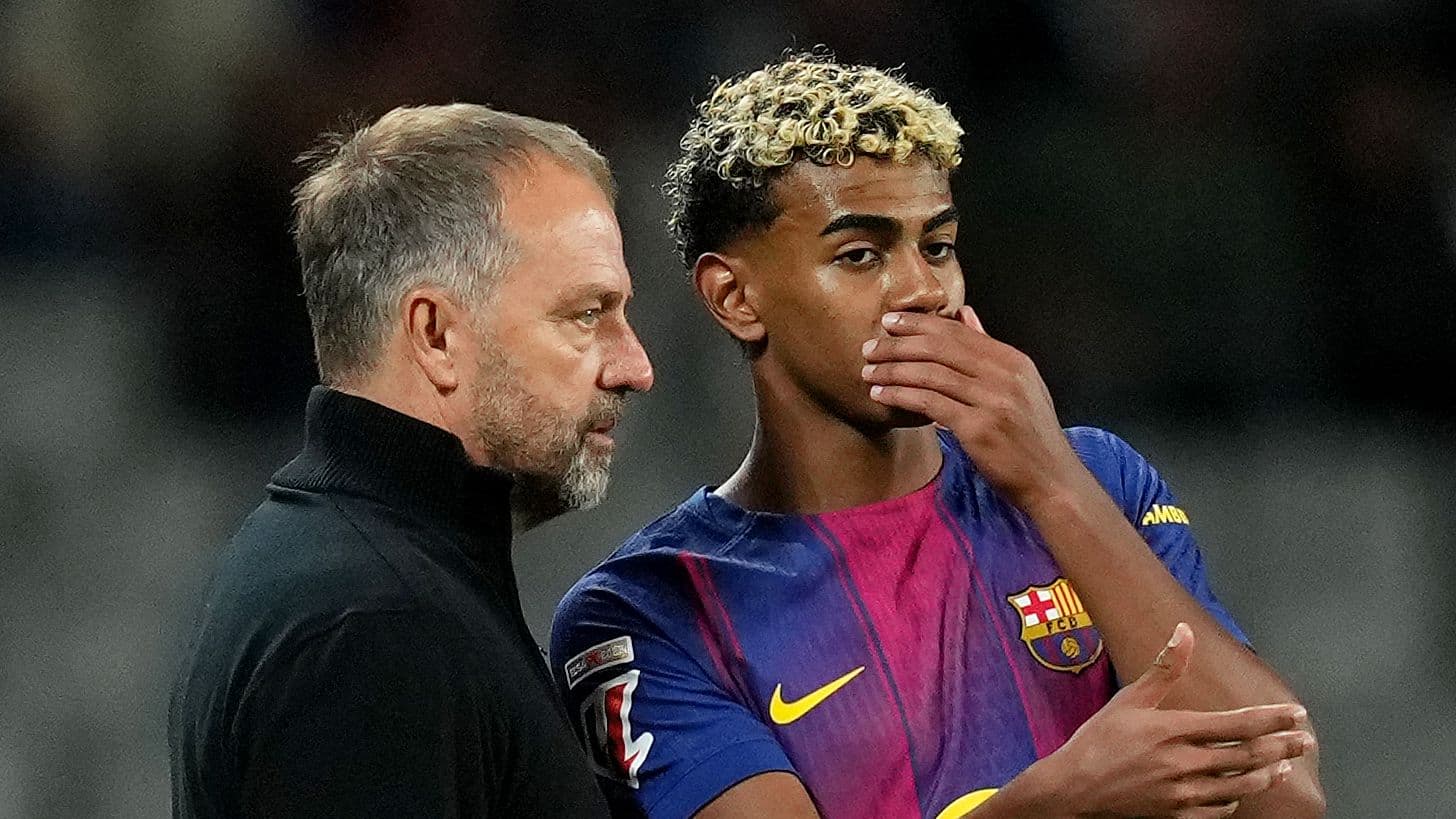
Roberto De Zerbi did not come to Tottenham Hotspur to tinker. He came to tear it up and start again.
The overhaul many expected has arrived quickly and decisively. First, the foundations: Marcos Senesi to stiffen the centre of defence, Andy Robertson to patrol the left, Martin Dubravka to compete in goal, and Jan Paul van Hecke added from Brighton & Hove Albion. Four signings, all at the back, all on free transfers apart from Van Hecke.
Now the rebuild has surged into the heart of the team.
Spurs have moved for two heavyweight central midfielders, Mateus Fernandes from West Ham United and Sandro Tonali from Newcastle United, taking their summer business to six signings and, more importantly, completely rewiring the core of De Zerbi’s preferred 4-2-3-1.
This is not a tweak. It is a reset.
De Zerbi’s blueprint returns
De Zerbi’s first seven Premier League games in charge were about survival, not style. He parked the grand ideas and simply dragged Spurs clear of relegation trouble.
That won’t last. His history at Brighton & Hove Albion and Marseille tells you what comes next: a team that wants the ball, dares opponents to come and get it, then rips through the gaps once they bite.
His football revolves around “press-baiting” – intricate passing from the back, luring the press, then suddenly punching through it as if launching a counter-attack from a standing start. One moment, patient circulation. The next, a vertical sprint towards goal.
It is a brand of football that pulls Spurs away from the more pragmatic Thomas Frank era and nudges them back towards the front-foot chaos Ange Postecoglou unleashed at his peak. The numbers back that up. At their best, De Zerbi’s 2022/23 Brighton and Postecoglou’s 2023/24 Spurs sat side by side on the data maps: high direct speed upfield, plenty of passes per sequence. Teams that could move the ball quickly and still build with care.
To make that work, the double pivot is everything. De Zerbi needs midfielders who do not just run, but hunt. Players who can take the ball under pressure in tight spaces, play one-touch combinations to escape the press, then immediately fire incisive passes through the lines when the tempo snaps.
At Brighton, that was Alexis Mac Allister and Moises Caicedo. Together, they controlled games and broke them open. Now, in north London, Fernandes and Tonali are expected to carry that same weight.
Why Fernandes and Tonali fit the plan
Stack Fernandes and Tonali against Spurs’ most-used central midfielders from 2025/26 and the logic of these moves becomes clear.
De Zerbi’s football lives on the front foot. High pressing, aggressive challenges, constant harassment of the opposition build-up. It is no coincidence Conor Gallagher became so important as an attacking midfielder at the end of last season, his work off the ball setting the tone.
Tonali and Fernandes fit that intensity. On league-wide graphs plotting high turnovers (winning the ball in open play within 40 metres of the opposition goal) against ball recoveries, they push towards the top-right corner – the zone for players who both win the ball back and do it high up the pitch.
Then comes the other half of the job: what they do once they have it.
On another set of data, looking at final-third entries and passing accuracy, Tonali and Fernandes again stand out. They complete more passes and more balls into the final third than most Premier League midfielders, including Spurs’ regulars last season. That combination – secure on the ball, but always looking to play forward – is precisely what De Zerbi demands.
The comparison with Brighton’s golden pair is telling. Per 90 minutes, Tonali and Fernandes don’t just improve on Spurs’ existing options; their numbers sit close to Mac Allister and Caicedo from 2022/23.
Final-third passes completed per 90: Tonali at 13.24, Fernandes at 10.30. Mac Allister at 14.16, Caicedo at 14.22.
Forward passes per 90: Tonali 16.81, Fernandes 12.65, against Caicedo’s 15.62 and Mac Allister’s 14.16.
Open-play pass accuracy: Tonali 84.8%, Fernandes 87.8%, again in the same ballpark as Brighton’s duo.
Possession won in the final third per 90: Tonali 0.53, Fernandes 0.51, with Caicedo at 0.57 and Mac Allister at 0.90.
This is not a speculative punt. It is a targeted attempt to recreate a structure that once powered one of the league’s most dynamic midfields.
Different tools, same engine
Within that shared framework, the two signings bring very different flavours.
Fernandes is the creator. He sees passes others do not, and he has the range to hit them. Long diagonals, disguised through-balls, quick line-breaking dribbles that shift the whole picture – this is a midfielder who plays with an attacking midfielder’s imagination.
His numbers underline that. Compared to Spurs’ other central midfielders in 2025/26, Fernandes’ chance creation and willingness to take players on stand out. He created 32 chances and attempted 31 take-ons, far ahead of Sarr, Gray, Palhinha and even Rodrigo Bentancur in pure creative output.
And he did that in a West Ham side that went down, a team that spent long spells under pressure and rarely dominated the ball. Put that same player into a front-foot De Zerbi system, with more options ahead of him and more controlled possession behind, and the ceiling rises.
Tonali brings a different edge. He is the Caicedo figure in this design – the destroyer with a playmaker’s brain.
Spurs fans know the value of a ball-winner from watching Joao Palhinha and Bentancur. Tonali offers that same appetite for duels and defensive work, but with a more proactive approach in possession. His 16.81 forward passes per 90 and 13.24 final-third passes completed show a player who does not just break up play and hand it off; he drives his team up the pitch.
Where Fernandes leans towards a No 10 profile, Tonali anchors the structure, snapping into tackles, recycling possession, then immediately looking to pierce lines. Together, they offer the blend De Zerbi craves: one conductor, one enforcer, both brave with the ball.
The new heartbeat
Strip away the charts and metrics and something else emerges: a shared mentality.
De Zerbi wants urgency. He wants risk-takers, players who accept the danger of playing out from the back because they believe in the reward at the other end. Fernandes and Tonali fit that mindset. They do not hide from the ball, they demand it. They do not wait for games to happen, they try to seize them.
For Spurs, this is about more than two new faces in midfield. It is about reclaiming an identity that had begun to blur – a return to progressive, daring football, but with a more calculated, choreographed edge.
The defence has been rebuilt. The engine room has been rewired. The shape is clear: a 4-2-3-1 that tempts the press, then slices through it.
Now comes the real question: with Tonali and Fernandes at the controls, how far can De Zerbi’s Spurs push that idea in the unforgiving reality of the Premier League?