.svg&w=384&q=75 "Naijagoal logo")

Chelsea's Carabao Cup Comeback: From 0-2 to 6-3
Chelsea survived a wild Carabao Cup scare against Leeds, turning a shambolic first half into a 6-3 win that said as much about their flaws as their firepower.
Chaos, then a comeback
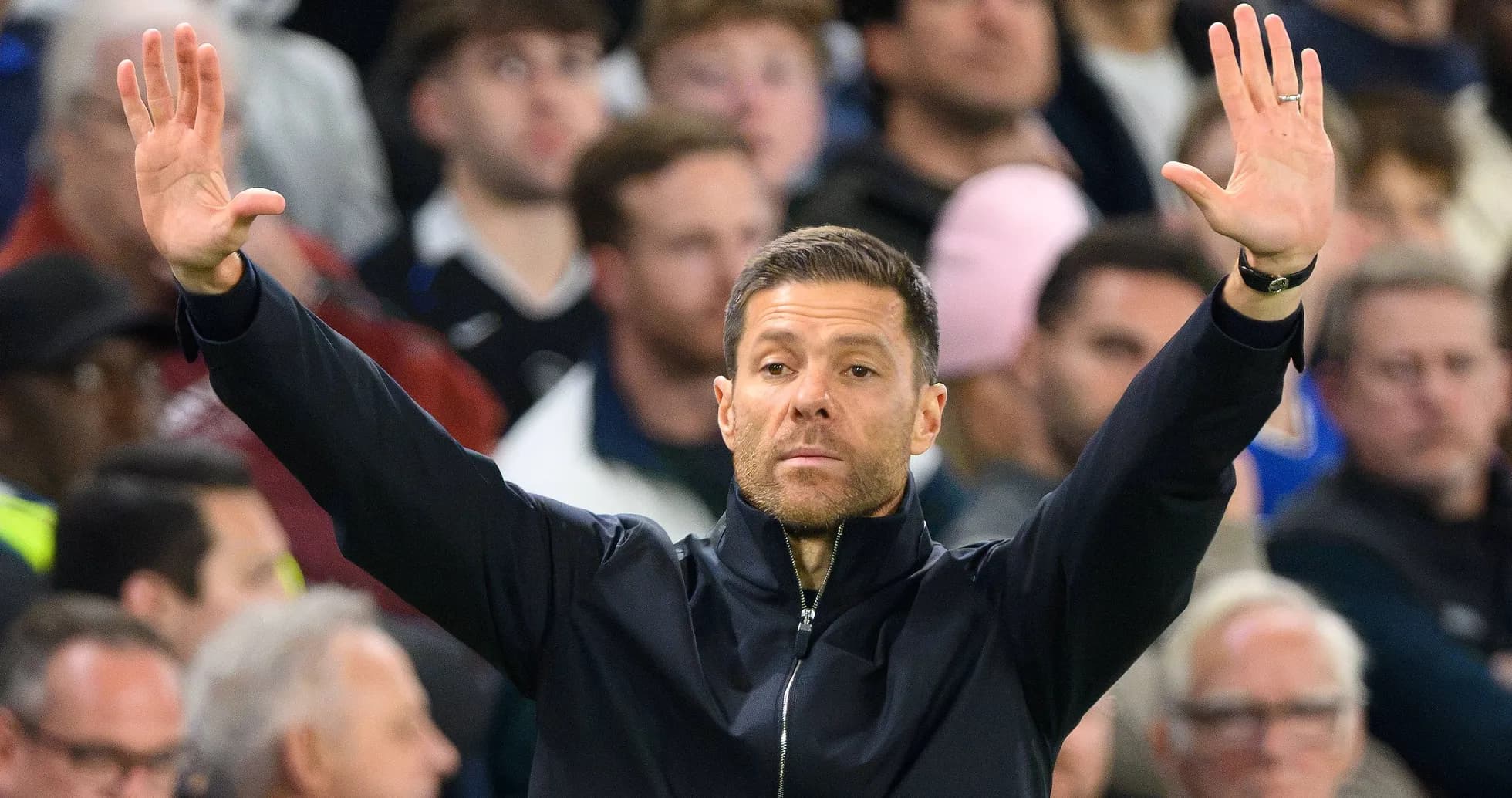
With nine changes from the weekend defeat to Arsenal, Alonso’s reshuffled side never settled. Passes went astray, the press was half-hearted, and Leeds sensed weakness straight away.
Tarik Muharemovic punished them first, striking to give the visitors a deserved 1-0 lead at the break. Stamford Bridge turned restless. Leeds looked sharper, hungrier, and far more cohesive than a Chelsea team stitched together for the night.
Any hope that the interval would reset the tone vanished almost immediately after the restart. Brenden Aaronson doubled Leeds’ advantage, and suddenly a routine cup tie had turned into the prospect of a full-blown embarrassment for Alonso.
Four changes, one transformation
Staring at a shock exit, Alonso rolled the dice. Four substitutions at half-time. A different team in everything but name.
The effect was instant.
Cole Palmer dragged Chelsea back into the tie, first from the penalty spot and then, astonishingly, with a second goal just two minutes later. From nowhere, 0-2 became 2-2 and the stadium roared back into life.
Leeds wobbled. Chelsea pounced.
Pedro Neto completed a stunning six-minute turnaround, smashing home to put the Blues 3-2 up and flip the entire mood of the night. From disjointed and flat to ruthless and rampant in the blink of an eye.
The pressure kept coming. Morgan Rogers, one of the substitutes, began to run the game in the final third. His clever work down the flank set up Danny Welbeck to make it 4-2, and Chelsea suddenly looked like a side that could score at will.
Leeds refuse to fold
Leeds, though, did not quietly disappear.
Dominic Calvert-Lewin pulled one back to make it 4-3, injecting fresh tension into a match that refused to settle. Defensive frailties that had plagued Chelsea’s second string all evening resurfaced, and the home crowd’s anxiety returned just as quickly as their earlier celebrations.
Only when Valentin Barco, on a night he will remember for a long time, struck his first Chelsea goal did the home side finally regain control. His finish restored the two-goal cushion and broke Leeds’ resistance.
Welbeck then added his second late on, again with Rogers at the heart of the move. The forward’s brace capped a frantic, breathless contest and sealed a 6-3 scoreline that felt almost impossible to imagine an hour earlier.
Rogers walked off with three assists, the standout architect of a second-half blitz that rescued Chelsea from a damaging cup exit.
Alonso takes the blame
Once the noise died down, the questions began.
Nine changes from the Arsenal defeat. A first half that exposed the limits of Chelsea’s depth. A back-up unit that looked fragile and easily pulled apart by Leeds’ movement.
Alonso did not hide.
"I take responsibility," the former Bayer Leverkusen boss said. "No player to blame, it’s a decision that we took. First half things were not going the way we wanted. When you do not have time to work [with the squad players], it’s difficult to compete at this level. We need to analyse, but happy that we are going through, happy with the reaction.”
He spoke of his own role in the chaos rather than pointing at those who struggled to impress.
"I will have a deeper assessment about how I can help players that aren’t playing that much to have a better impact, to have a better feeling.
"Today it was difficult for them. Maybe I made it too difficult. But you need to react and take decisions. The impact was good from the players that came on. I need to take my own blame and my own responsibility."
Depth on paper, doubts on the pitch
The manner of the win sharpened an uncomfortable reality. Chelsea have integrated 10 first-team signings during the transfer window, yet when the manager turned to his so-called second string, the structure crumbled.
Defensive lapses, loose positioning, and a lack of cohesion gave Leeds repeated encouragement. For a club built on the idea of a deep, competitive squad, this was a harsh reminder that names on a team sheet do not automatically equal reliability.
Pressed on whether the performance exposed a shortage of trustworthy alternatives, Alonso pushed back.
"I prefer not to take that cynical way," he insisted. "I know I probably haven’t taken the right decisions for them to show their best levels. It’s something I will analyse and learn from."
Chelsea march on in the Carabao Cup, but the manner of their escape leaves a lingering question: is this the foundation of something stronger, or a warning that the next time Alonso gambles on his depth, the comeback might not arrive?