.svg&w=384&q=75 "Naijagoal logo")

Why Brazilian Footballers Keep Joining Shakhtar Donetsk Amidst Ukraine’s War
Shakhtar Donetsk’s Ongoing Attraction for Brazilian Talents Despite Conflict
Though Ukraine remains embroiled in a brutal conflict with Russia, Shakhtar Donetsk continues to be a key destination for young Brazilian footballers launching their European careers. The club’s unique recruitment strategy remains strong even as war rages around them.
Longstanding Displacement and Its Impact
Many assume the Ukrainian war started in 2022 with Russia’s full-scale invasion, but for Shakhtar, the conflict has stretched over 12 years. Their home city, Donetsk, became a war hotspot after Russia’s annexation of Crimea and unrest in the Donbas region in 2014, forcing the club into exile. Since then, Shakhtar has trained in Kyiv and played home matches in Lviv, far from their damaged Donbas Arena, which suffered shelling in 2014.
The Brazilian Identity
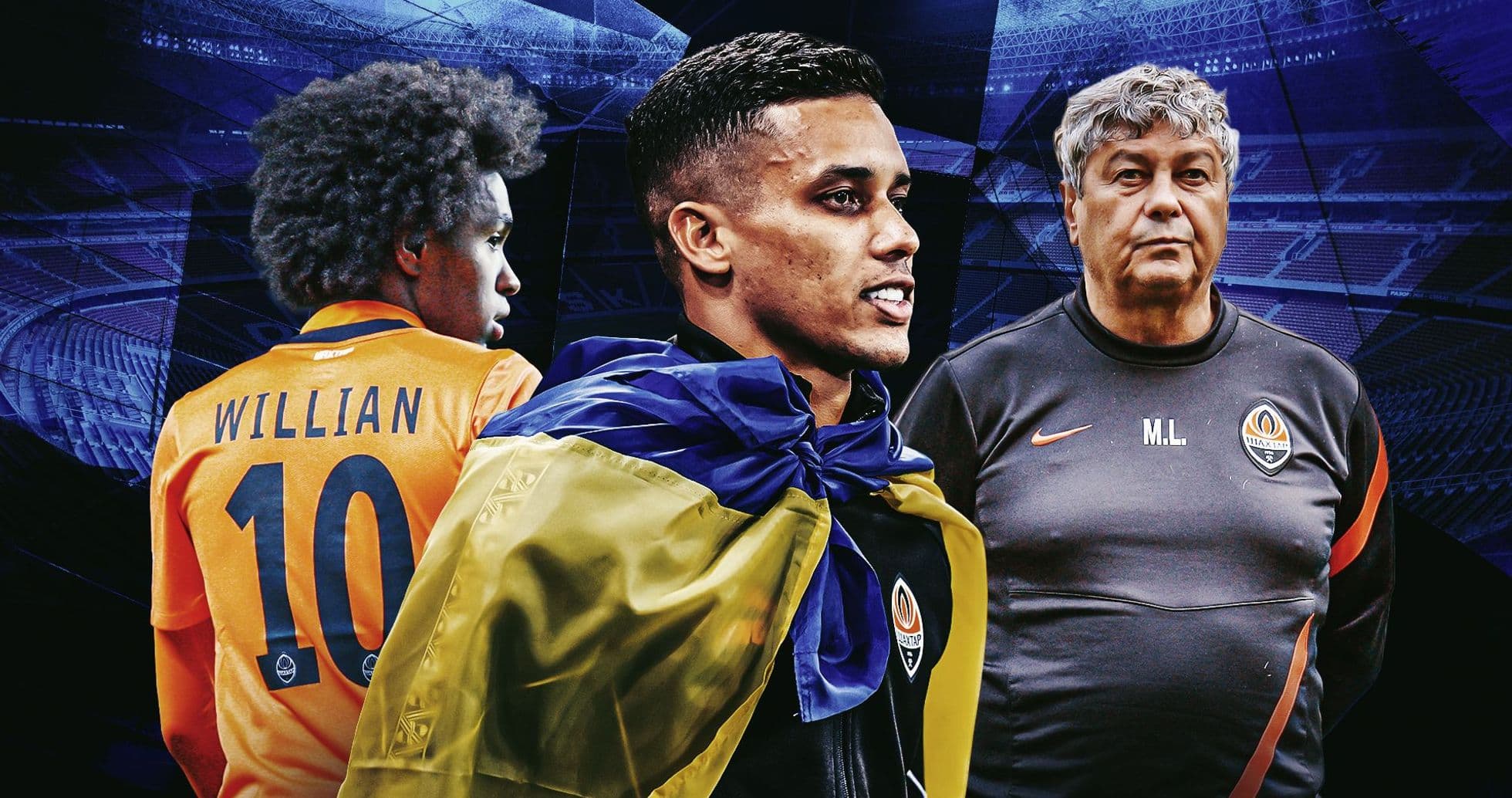
Known as the Miners, thanks to Donetsk’s mining heritage, Shakhtar are famed not just for their bright orange kits or 2009 Europa League win but for discovering young Brazilian talents. Players like Willian, Fernandinho, and record scorer Luiz Adriano have emerged from this pipeline. Despite war, the club boasts a record number of Brazilians on its roster, recently welcoming their 50th Brazilian recruit.
"War is not an excuse for us," says CEO Sergei Palkin. "It pushes us to adapt, make quick decisions, and analyze deeply. Brazilian players are part of our identity; we must continue to develop them."
From Early Beginnings to a Brazilian Hub
Shakhtar’s Brazilian connection dates back over 20 years, beginning with striker Brandao in 2002 and flourishing under Mircea Lucescu’s management from 2004. Lucescu aimed to turn every match into a spectacle, believing only Brazilian players could deliver that style. This led to signings like Elano and Jadson, who became key figures during that era.
- Fernandinho: Sold to Manchester City for €40 million
- Willian: Transferred to Chelsea for €35 million
- Luiz Adriano: Shakhtar’s all-time top scorer with 128 goals
- Taison: Club record holder with 299 appearances
The harsh climate, distant location, and weaker league might deter some, but a supportive Brazilian community in Donetsk helped ease newcomers’ adaptation.
A Milestone Despite Adversity
This summer, Flamengo’s Ryan Roberto became the 50th Brazilian to join Shakhtar, moving for €9 million. Another young talent, Bruninho, arrived from Athletico Paranaense for €11 million shortly after turning 18. Roberto highlighted the warm reception for Brazilians as a major factor in his decision.
"The club knows how to receive Brazilians well," Roberto said. "That’s what I heard before coming here."
Adjusting to War and Exile
After Russia’s invasion in 2022, many foreign players suspended contracts, leaving mostly Ukrainians in the squad. Yet Shakhtar still clinched the league title, giving rising stars like Mykhailo Mudryk the spotlight. By summer 2023, the club resumed Brazilian transfers, aided by a move to Lviv near the Polish border, easing travel and offering better safety.
Andrew Todos, a Ukrainian football expert, explains: "To attract players to a warzone, you need to pay good wages and build a community. Shakhtar did exactly that, gradually rebuilding their Brazilian network."
Why Brazilians Still Choose Shakhtar
CEO Palkin believes the chance to quickly reach top European leagues drives Brazilian players to Shakhtar despite the war’s hardships. Wages offered surpass those at home, and the club is known for player development and swift career progression.
"We don’t sell comfort; we sell a career factory," Palkin says. "Players trust us because we know how to operate with Brazilians, develop and promote them."
Player Perspectives: Pedrinho’s Experience
Forward Pedrinho joined Shakhtar in 2021 and spent two years on loan in Brazil before returning. He credits the large Brazilian presence for easing adaptation.
"Having many Brazilians makes life easier and helps new players adjust quickly," he shares. "The Ukrainian staff are respectful and welcoming, supporting us through tough times."
The Mental and Logistical Challenges
Life amid war is mentally taxing. Air-raid sirens and shelters are regular realities even in Lviv, far from frontlines. Pedrinho recalls sheltering with his family during alerts and stresses the importance of mental resilience, especially for younger players.
Travel is another burden. The team lacks a permanent home ground, frequently playing away matches and enduring long bus journeys that increase injury risk and fatigue.
A Business Model That Adapts and Endures
The Brazilian scouting and recruitment system remains central, with Palkin noting they expanded their scout network and refined analysis. Transfers like Mykhailo Mudryk's £89 million move to Chelsea and Kevin’s €40 million transfer to Fulham show financial success despite the war.
Shakhtar has shortened player adaptation time drastically, often signing Brazilians who start playing immediately rather than after long adjustment periods.
David Neres, signed before the war and sold six months later at a profit, illustrates this rapid turnover approach.
Facing Increasing Competition
While Shakhtar pioneered this model, other clubs now aggressively pursue young South American talent, creating stiff competition. Chelsea and Manchester City, among others, spend massive sums to secure teenagers directly from Brazil.
Darijo Srna, Shakhtar’s sporting director, notes, "Chelsea changed the market in Brazil. For us, competing with clubs paying €40-50 million for youngsters is tough."
As a result, Shakhtar targets younger players like Bruninho, investing early in hopes of future success despite initial playing restrictions.
Importance of Champions League Qualification
Continued participation in the Champions League is vital for maintaining Shakhtar’s appeal and finances. Although the Ukrainian Premier League’s UEFA ranking dropped due to the conflict, Shakhtar secured direct entry into the 2026-27 group stage, benefiting from a slot freed by Paris Saint-Germain’s title defense.
Last season, they played in the Conference League, reaching the semi-finals before losing to Crystal Palace.
Palkin emphasizes, "Playing in the Champions League is the top goal. Brazilian players dream of it, and it’s key to attracting talent."
New Opportunities in England
Shakhtar plans to host their Champions League home games at Chelsea’s Stamford Bridge, marking a shift to the UK market. This move aims to tap into London’s large Ukrainian and Brazilian communities, maximize ticket sales, and broaden exposure.
The arrangement was confirmed in August 2026, with the club expressing gratitude for this special opportunity.
CEO Palkin explains, "London is the capital of world football. We want to present ourselves where many Ukrainians live and where financial opportunities are better."
Commercial Gains with New Leadership
Appointing former Turkey and Barcelona midfielder Arda Turan as head coach in 2025 brought unexpected commercial benefits, including a Turkish fanbase and sell-out crowds for friendlies such as one against Bursaspor.
Survival and Growth Amid Crisis
Despite exile, Shakhtar reclaimed the Ukrainian league title in 2025-26 and secured Champions League qualification, proving resilience and adaptability.
Todos notes, "They have to innovate to survive. Their wealthy owner helps, but results on the pitch matter. They aim to sell more big players consistently and build global partnerships."
A Home Away From Home
Pedrinho highlights the strong Brazilian community as a key reason why players keep choosing Shakhtar despite the war.
"If not for the war, Shakhtar would be the best place to start a career. Young players get regular game time and compete in important competitions," he says. "The number of Brazilians here makes adapting easier."
Football remains a source of joy for the players, a constant amid upheaval. Pedrinho concludes, "Despite everything changing, the love of the game stays the same."