.svg&w=384&q=75 "Naijagoal logo")
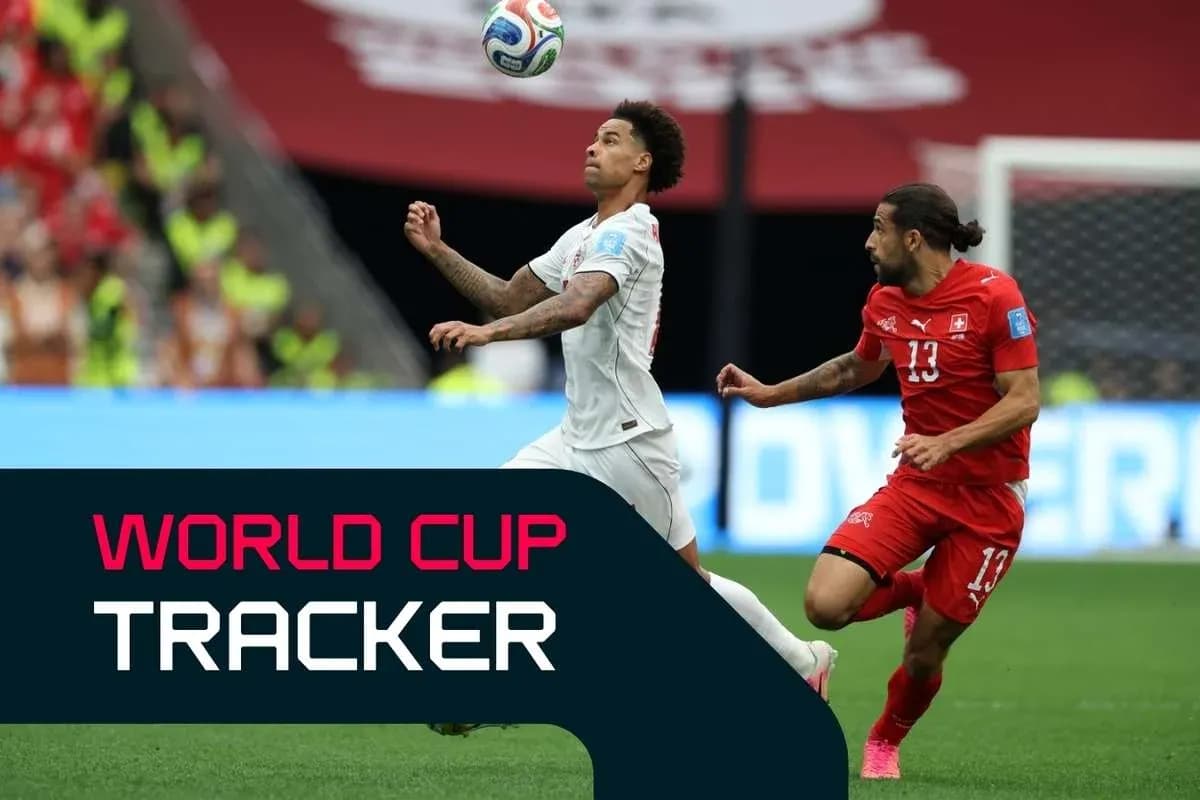

Bosnia & Herzegovina Edge Qatar in Seattle Thriller
The final night of Group B began with two very different moods on opposite sides of North America.
In Vancouver, Switzerland and Canada eased into their contest knowing both were effectively through. In Seattle, there was no such comfort. For Bosnia & Herzegovina and Qatar, it was simple: win or pack your bags.
Sarajevo Spirit in Seattle
Hours before kick-off at Seattle Stadium, the tone was set. Thousands of Bosnia & Herzegovina supporters marched in blue and white, turning a corner of the Pacific Northwest into a slice of Sarajevo. When the players emerged, the stands were dotted with empty seats, but the noise told a different story. This felt like a home game.
Both sides arrived bruised by the group. Both sat on one point from two matches. Both had been forced into changes.
For Qatar, Julen Lopetegui reshuffled out of necessity after that chaotic 6-0 defeat to Canada which ended with nine men. Sultan Al Brake stepped into a patched-up back line, Gueye Laye dropped from midfield to help him, Ahmed Fathi came into the middle, and captain Hasan Al Haydos started wide.
Bosnia & Herzegovina had their own problems. With Tarik Muharemovic suspended, Arjan Malic came into defence. Stjepan Radeljic made his first World Cup appearance. Ivan Basic was drafted into midfield, and the gifted young winger Esmir Bajraktarevic returned to the starting XI.
The stakes were clear. A draw would leave both sides staring at an early exit.
Bosnia Strike, Qatar Rocked
Bosnia flew out of the blocks. Within minutes, Mahmoud Abunada had been forced into two sharp saves low to his right, the early pattern established: Bosnia on the front foot, Qatar sitting deep and looking to spring Akram Afif on the counter.
Nerves crackled. A loose backpass from Ivan Sunjic almost invited disaster, Nikola Vasilj scrambling it clear. Both benches were on edge long before the first hydration break, when Boualem Khoukhi took a Bosnia free-kick flush in the face – a painful little snapshot of Qatar’s first half.
The pressure finally told just after the half-hour.
Kerim Alajbegovic picked up the ball on the edge of the area, weaved his way into a pocket of space and, on his right foot, bent a superb strike into the top corner. It was the first genuine moment of quality in the game, and it belonged to Bosnia. Their dominance now had a scoreline to match.
Qatar needed composure. They got chaos.
Minutes later, Bosnia doubled their lead in cruel fashion for the defending champions of Asia. Edin Dzeko met a volley inside the box, his effort flashing goalwards. Sultan Al Brake, thrown into this makeshift back line, could only divert it into his own net. 2-0, and Qatar’s World Cup was unravelling in real time.
Bosnia’s fans exploded. With that goal, their prospects of sneaking through as one of the best third-placed teams suddenly looked very real. The message from the touchline was clear: do not ease off. Goal difference could yet decide their fate.
Dzeko almost added another, hitting the inside of the post when clean through as Lopetegui cut an increasingly disconsolate figure on the touchline. Qatar had yet to register a shot. They had barely escaped their own half. And yet, somehow, they still looked vulnerable whenever Bosnia broke at speed.
Qatar Finally Hit Back
Just when it seemed Bosnia might run away with it, Qatar flickered into life.
On the stroke of half-time, with the game threatening to drift away from them, Hasan Al Haydos pounced. One simple move, one clear sight of goal, one finish. First shot, first goal. Out of nothing, Qatar were back within one.
Seattle suddenly had a contest. The momentum, for the first time all night, tilted towards Lopetegui’s side. Bosnia still led 2-1, but the margin felt fragile as the players walked down the tunnel.
Stalemate in Vancouver
All the while, in Vancouver, the other half of Group B ticked along at a more subdued tempo.
Switzerland, fresh from a 4-1 win over Bosnia & Herzegovina in their previous outing and well placed to top the group, made five changes and shifted shape from a 4-3-1-2 to a 4-2-3-1 under Murat Yakin. Canada, roared on as co-hosts and already all but through, largely kept faith with the side that dismantled Qatar, Jesse Marsch making only two changes in central midfield. Mathieu Choiniere and Nathan Saliba replaced the injured Ismael Kone and Stephen Eustaquio.
The Swiss should have struck early. Ten minutes in, Breel Embolo went clean through but failed to convert with only the goalkeeper to beat. Switzerland dominated the ball, Canada threatened in flashes, but neither side seized control. By late evening, it remained goalless: Switzerland 0-0 Canada, a game high on technical control, low on jeopardy.
The real drama, as expected, belonged to Seattle.
Group B on a Knife-Edge
As the second halves unfolded, the storylines were clear.
In Vancouver, it was about fine-tuning and the quiet battle for top spot between two teams already eyeing the knockout rounds.
In Seattle, it was survival. Bosnia & Herzegovina, powered by that early two-goal cushion and a raucous following, pushed to protect and, if possible, extend their advantage. Qatar, revived by Al Haydos’ strike, chased an equaliser that would still not truly help them, yet felt essential to keep any mathematical hope alive.
By the late evening updates, Bosnia still had their noses in front at 2-1, clinging to a result that could transform their World Cup from disappointment to opportunity. Qatar, for all their late resistance, remained on the brink.
Scotland, Brazil and the Night Ahead
Once Group B settles, attention will swing to Group C.
Scotland step into their meeting with Brazil knowing a point should be enough to carry them into the knockouts, a win potentially lifting them above Carlo Ancelotti’s side if Morocco beat Haiti. Brazil, likely needing victory to top the group, wait on Neymar’s fitness as the tournament’s next heavyweight chapter looms.
But for one night at least, the World Cup’s heartbeat has been in Seattle, where Bosnia & Herzegovina and Qatar have played out a raw, unforgiving reminder of what “win or go home” really looks like.