.svg&w=384&q=75 "Naijagoal logo")

Barcelona's Decision on Marcus Rashford Explained
Barcelona’s call not to keep Marcus Rashford was never a verdict on his season. It was a verdict on what Hansi Flick wants his attack to be.
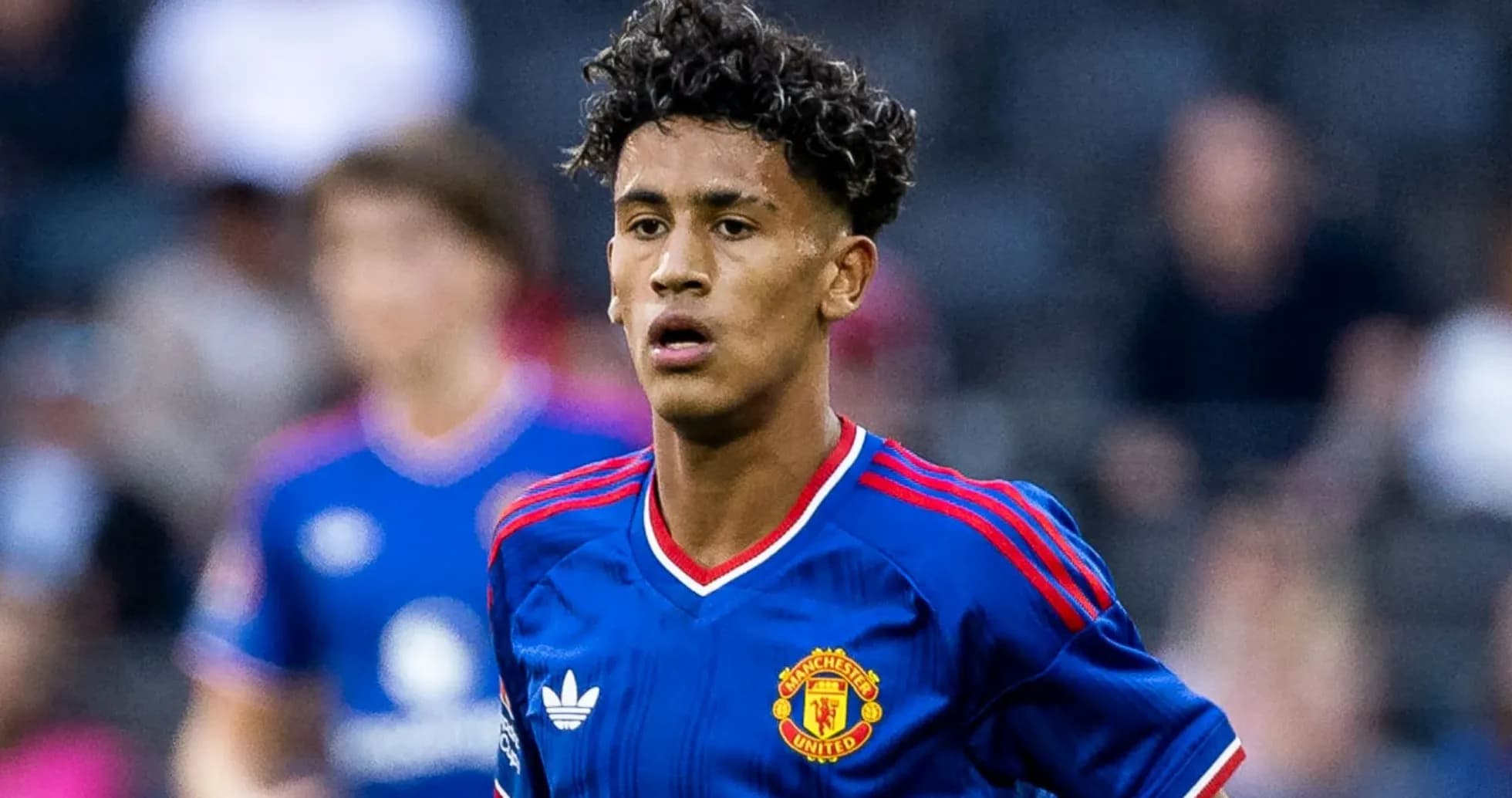
Rashford’s loan from Manchester United in 2025/26 was, by any normal measure, a success. Fourteen goals. Fifteen assists. Twenty-nine direct goal contributions across all competitions for a team that went on to win La Liga and the Spanish Super Cup. He didn’t start every week, but when he played, he tilted games.
So when Barcelona walked away from the option to sign him permanently, eyebrows shot up. Had Flick lost faith? Was there a clash behind the scenes?
According to Fabrizio Romano, none of that is true.
Flick liked Rashford – but wanted something else
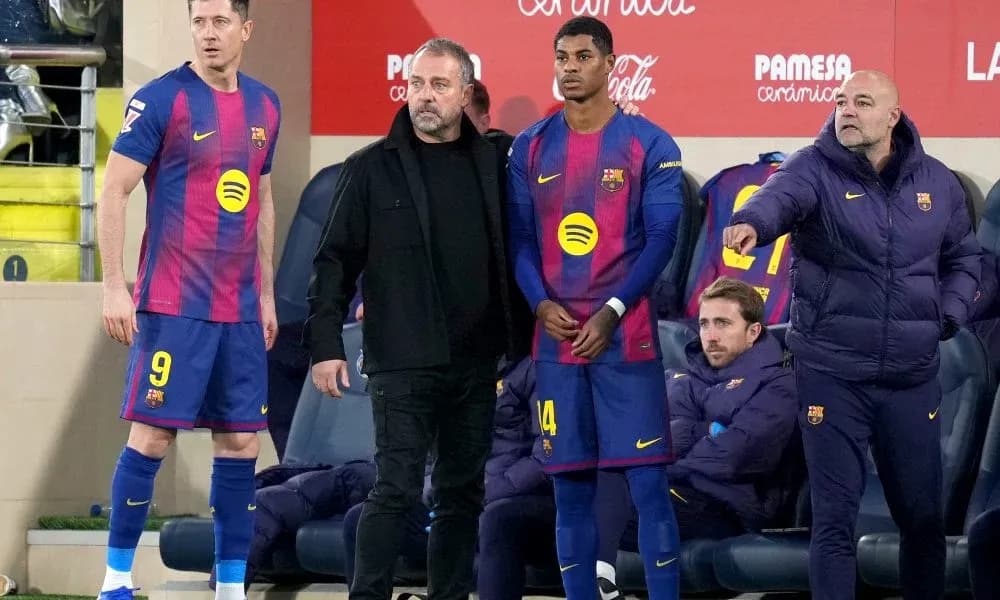
Inside the dressing room, the picture was very different from the outside noise. Romano reports that Flick respected Rashford, appreciated his attitude and built a strong relationship with him over the season. The German and the England forward were aligned, not at war.
Rashford’s numbers backed that up. He scored, he created, he helped deliver trophies. On paper, it looked like the sort of loan you convert without thinking twice.
Yet Flick did think twice.
He was not just counting goals and assists. He was looking at the whole attacking structure: what his forwards do off the ball, how they press, how they slide across the line, how they help when Barcelona are under pressure and without possession. For Flick, the question was not simply “How much does he produce?” but “How many problems does he solve across 90 minutes?”
That’s where the decision swung.
Why Anthony Gordon won the argument
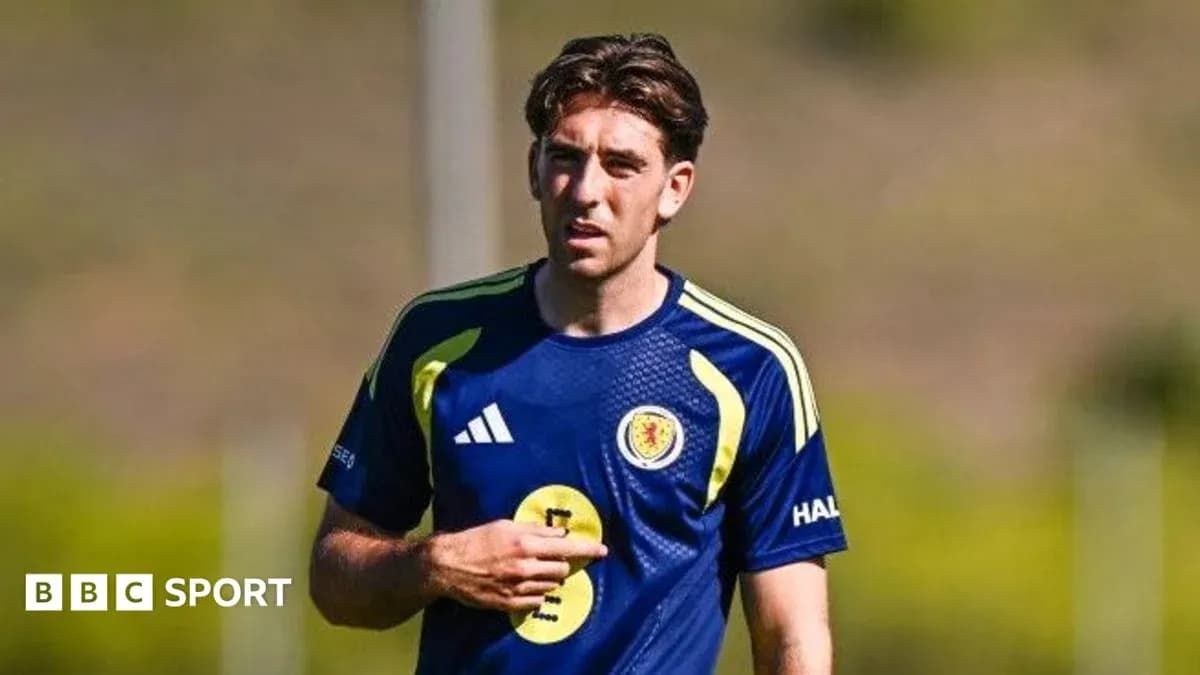
Barcelona chose Anthony Gordon, and the reasoning was rooted in profile, not personality.
The key words inside Flick’s staff were versatility and defensive intensity. They wanted a forward who could shift seamlessly across the front line and still maintain the physical and tactical edge required when the team drops into its defensive shape.
Gordon, in their eyes, ticked more of those boxes.
The English winger can play on either flank, adapt to different roles in the press and maintain the work rate Flick demands without the ball. Barcelona’s coaches felt he fit the template better: a wide forward who can attack from both sides, cover ground relentlessly and lock into the collective pressing scheme.
So this was not a cold dismissal of Rashford’s impact. It was a calculated choice to prioritise a very specific tactical profile. Barcelona were not chasing a like-for-like replacement for Rashford’s output; they were chasing a forward who mirrors Flick’s blueprint.
In the end, the numbers Rashford posted were impressive. They just weren’t the numbers that decided the deal.