.svg&w=384&q=75 "Naijagoal logo")
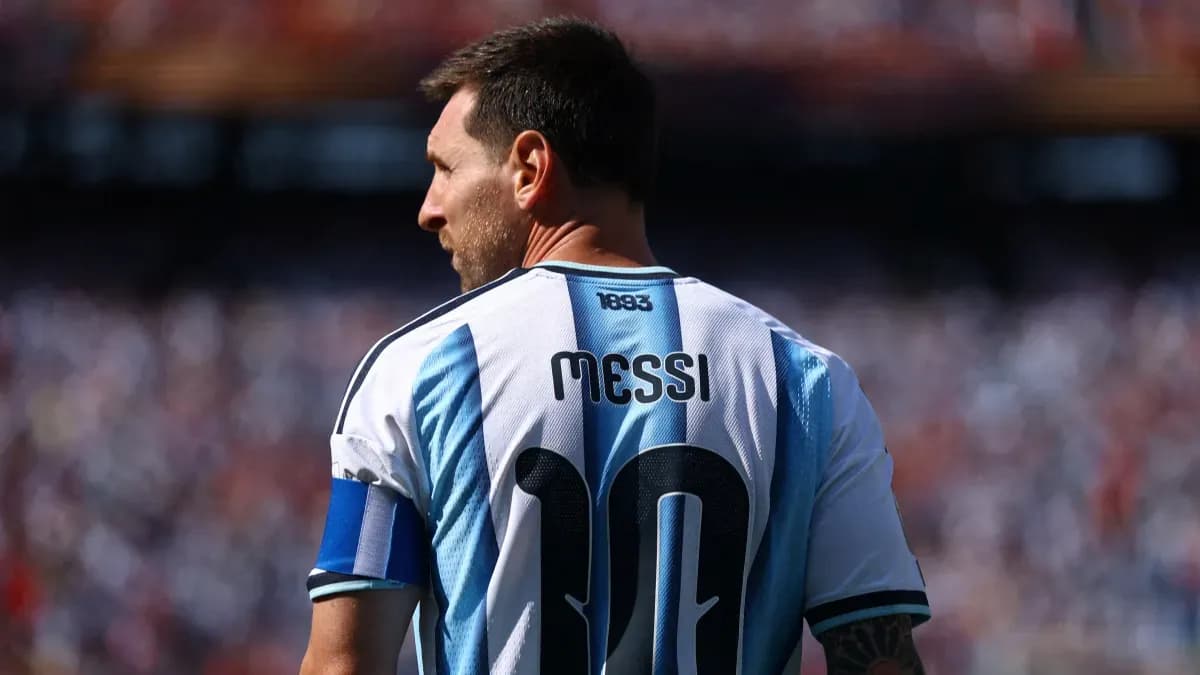

Argentina's World Cup Anti-Football Casts a Gloomy Shadow on Messi's Final Chapter
Messi’s Last World Cup: A Wearied End Amid Argentina’s Troubling Play
As Spain’s players celebrated Ferran Torres’ goal with unrestrained joy, Lionel Messi quietly adjusted his socks. This wasn’t one of those intense Messi moments that have defined his career; instead, he appeared drained. His third World Cup final felt like a reluctant endurance test under the scorching New Jersey sun.
By extra time in the 2026 final, Argentina’s last real shot on goal had come from Lautaro Martinez’s semifinal-winning strike against England. Messi’s involvement was minimal as he labored on the sidelines. Maybe that’s understandable at the close of such a remarkable career. Yet, for anyone with pride, watching Argentina’s performance in their 1-0 loss at MetLife Stadium was tough—they were a disappointment.
Argentina: The Beautiful Game Meets Its Darker Side
Argentine football carries contradictions—it captivates and frustrates in equal measure. Its history is woven with stories that shape its identity. Messi stands as the living embodiment of the most beautiful football imaginable, but Argentines believe their version of the game belongs to the people—rooted in passion, artistry, and a hint of cunning.
The 1957 Copa America champions are a legendary example. Their attacking style, known as la nuestra, was dazzling. Players like Omar Orestes Corbatta and Antonio Angelillo displayed skill and audacity, earning nicknames like "sinverguenzas" (shameless ones) and "caras sucias" (dirty faces), acknowledging their flair combined with street-smart tactics. Maradona’s infamous Hand of God alongside his Goal of the Century perfectly captured this blend.
Some Argentine teams leaned more on toughness, such as Estudiantes in the late 1960s, whose aggressive style led to intense clashes with European clubs. Argentina’s first two World Cup titles highlighted a split between styles: the expressive attack favored by Cesar Luis Menotti in 1978 and the pragmatic, physical approach under Carlos Bilardo in 1986, powered by Maradona’s genius. The 1990 final, a dour 1-0 defeat marked by red cards, remains one of the ugliest in World Cup history—a precursor to what unfolded at Meadowlands.
An Unfortunate Ending for Messi’s Era
This tension between beauty and brute force runs through Argentine football, sometimes inspiring, often frustrating. After near misses in past tournaments, the early 2020s saw Lionel Scaloni build a team that finally allowed Messi to shine without carrying the entire burden.
The joy of Qatar 2022 came with fresh talents like Enzo Fernandez and Julian Alvarez stepping up, while Angel Di Maria delivered crucial performances. Messi dazzled as Argentina won what many consider the greatest World Cup final ever against France.
But following that high, Argentina’s showing in 2026 was a stark contrast. Despite winning the 2024 Copa America and Messi’s impressive six goals in the group stage, including a hat-trick against Algeria, the later knockout rounds revealed cracks. Tough matches against European opponents exposed their limits.
Against Spain, Scaloni’s side reverted to darker tactics. Referee Slavko Vincic allowed physical play to go unchecked. Alexis Mac Allister escaped booking for a harsh tackle, encouraging Argentina to disrupt Spain’s rhythm with persistent fouls. They offered no attacking flair to balance this; Spain held firm, and Argentina’s effort waned.
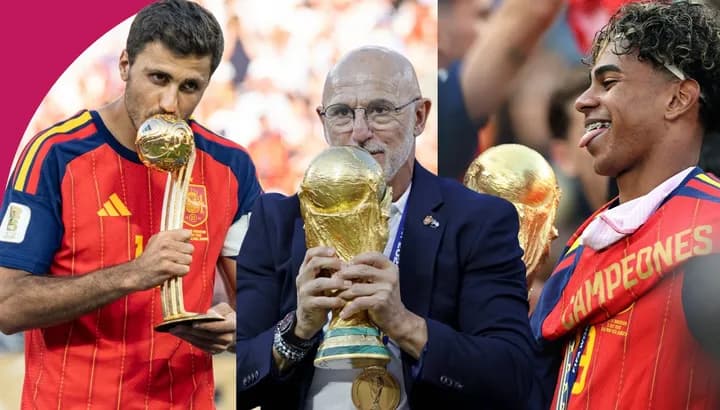
Enzo Fernandez’s red card reflected growing frustration, while Leandro Paredes, introduced to calm the midfield, played aggressively. Post-match chaos erupted when Nahuel Molina charged onto the pitch and clashed with Spain’s Rodri, who took home the tournament’s best player award—an honor some thought should have gone to Messi.
Even Messi, usually composed, resorted to petty tactics, trying to provoke a Spanish player with referee complaints. That moment symbolized Argentina’s desperation to cling to any chance.
A Legacy Untarnished but a Bitter Finish
Spain’s celebrations marked the end of a forgettable final. Few will remember a World Cup final where Messi featured in a team attempting to sneak victory through questionable means. This does not diminish his incredible legacy or career achievements. It just feels sad that his final World Cup chapter involved struggling in the mud with the very team that once carried him to glory.