.svg&w=384&q=75 "Naijagoal logo")

Africa's World Cup Journey in 2026: Underdogs, Historic Moments, and Late Heartbreaks
Record African Representation at the 2026 World Cup
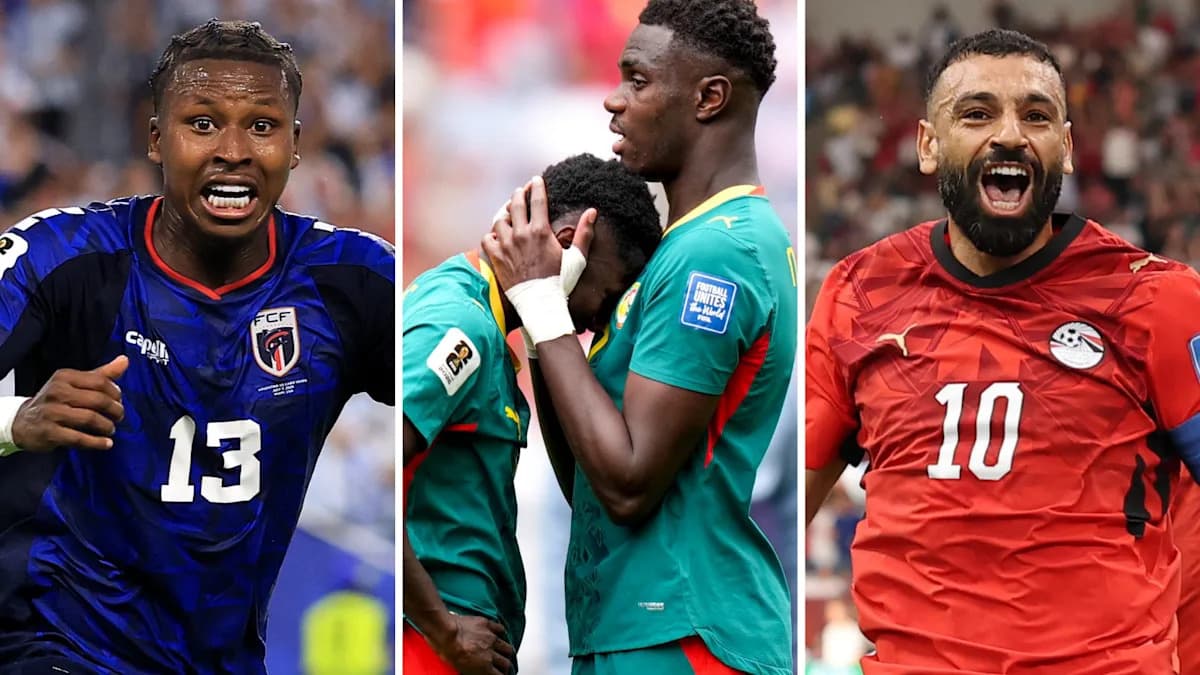
The 2026 World Cup marked a milestone for Africa, sending its largest ever group of teams to the finals. Ten nations competed, and although there were memorable moments, the overall success was mixed. Nine African sides reached the knockout rounds, earning praise from Confederation of African Football (Caf) president Patrice Motsepe, who said the continent’s 1.6 billion people should be proud.
Yet only Morocco advanced as far as the quarter-finals. Five teams suffered painful exits by conceding goals in the closing minutes, with Senegal and Egypt both losing leads late in their matches. Still, some positive firsts emerged: Egypt and DR Congo claimed their inaugural World Cup wins, while Cape Verde, Ivory Coast, and South Africa passed the group stage for the first time.
As Africa prepares to co-host the 2030 tournament alongside Spain and Portugal, lessons from this expanded 48-team event will shape future campaigns.
Surprise Package: Cape Verde’s Impressive Debut
Cape Verde captured attention by reaching the last 32 during their first-ever World Cup appearance. The Blue Sharks earned draws against giants like Spain, Uruguay, and Saudi Arabia. Their near-upset of defending champions Argentina was thrilling; they twice came back from behind before narrowly losing 3-2 after extra time.
Goalkeeper Vozinha became a viral sensation after several crucial saves. His Instagram following soared from 50,000 to over 29 million by the tournament’s end. In an unusual tribute, a newly discovered sea slug species was named after him.
Defender Roberto Pico Lopes expressed pride in putting Cape Verde "on the map," emphasizing that despite being a small nation, their passion and belief made great things possible.
Morocco’s Consistent Excellence
Morocco confirmed their status as Africa’s top-ranked team by reaching the quarter-finals for a second consecutive World Cup. Their run ended against France, repeating the outcome from Qatar 2022.
Under coach Mohamed Ouahbi, Morocco adopted a more attacking style. Young midfielder Ayoub Bouaddi, just 18, caught the eye and may soon join a major European club.
"We have a young team who want to grow," Ouahbi said. "Talented players will help us develop further."
Late Goals Haunt Several African Teams
Former Ivory Coast defender Emmanuel Eboue predicted African teams might struggle with concentration late in matches, and the tournament proved his point.
DR Congo and Ivory Coast both conceded winning goals in the 86th minute of their knockout matches. South Africa went out after conceding in added time against Canada. Most heartbreaking were Senegal and Egypt, who lost leads in the final minutes; Senegal fell to a penalty in the 125th minute against Belgium, while Egypt was eliminated by a 92nd-minute header from Enzo Fernandez of Argentina.
In the group stages, Algeria and the Ivorians also lost points due to injury-time goals. It raises the question of whether African sides have difficulty closing out games.
Dr Nikita Rowley, a sport psychologist, said fatigue and heightened emotions often cause lapses late in matches, making mistakes more likely regardless of team or region.
Experience and Preparation Remain Challenges
The World Cup's expansion from 32 to 48 teams benefited Africa, increasing guaranteed spots from five to nine, with DR Congo joining via play-offs.
Most African teams advanced beyond the group stage, but experience in high-pressure matches is still limited. Gambian coach Mattar M Boge, involved in FIFA talent scouting, noted that European and South American teams benefit from playing more competitive games regularly. Africa's Nations League is a step forward, but promotion and relegation systems give Europe a competitive edge.
He suggested that as African football develops, teams will gain the experience needed to handle pressure better.
Tunisia and Ghana Face Difficult Tournaments
Tunisia disappointed, firing coach Sabri Lamouchi after a heavy 5-1 defeat to Sweden in their opening match. Herve Renard took over but could not reverse their fortunes, with losses to Japan and the Netherlands leaving them bottom of their group.
Ghana qualified for the knockout stage for the first time since 2010 but struggled offensively, failing to register a single shot on target in their loss to Colombia and managing just four shots across all games. Coach Carlos Queiroz focused heavily on defense, which left their attack lacking.
Visa Issues and Off-Field Controversies
Despite on-field drama, the tournament saw difficulties off the pitch for African fans and officials. Supporters from Ivory Coast and Senegal faced visa restrictions preventing easy travel. Fans from Algeria, Cape Verde, and Tunisia had to pay large deposits to obtain visas.
Top referee Omar Artan from Somalia was denied entry to the United States despite holding proper documentation. UEFA quickly assigned him to officiate the upcoming Super Cup match between PSG and Aston Villa. FIFA faced criticism over this exclusion and for lifting a suspension on US striker Folarin Balogun. The Caf remained silent, even as UEFA publicly condemned FIFA.
Looking Ahead
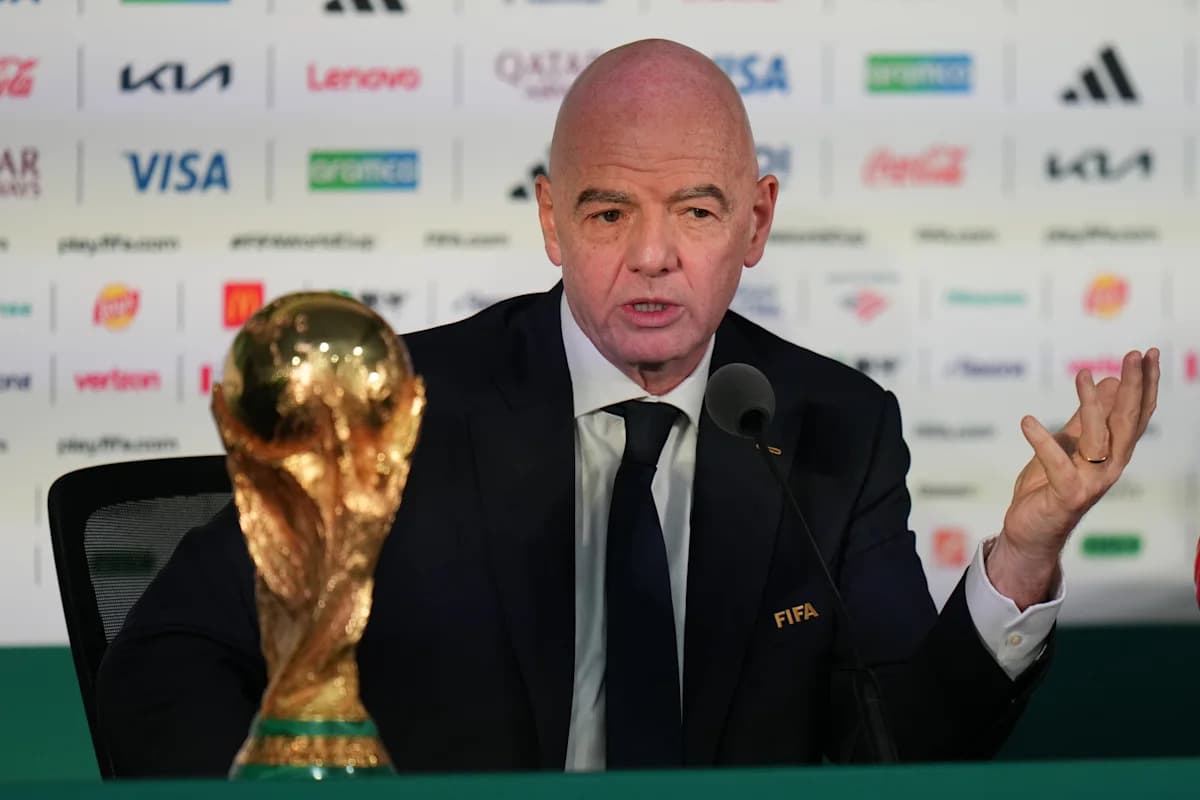
Following a successful first 48-team World Cup, FIFA president Gianni Infantino has suggested expanding the tournament to 64 teams, potentially offering Africa even more places.
Though progress for African teams was visible, many challenges remain. We think building experience and handling pressure better will be key for future success.