.svg&w=384&q=75 "Naijagoal logo")


CONMEBOL President Proposes 64-Team World Cup Across Six Hosts for 2030
Six Countries to Host, 64 Teams to Compete?
The 2030 World Cup might see a huge leap in the number of participating teams, with CONMEBOL president Alejandro Dominguez pushing for an expansion to 64 teams. This bold idea comes after the recent tournament that featured 48 nations and was won by Spain.
Dominguez shared his vision on social media, saying, "In 2030, the World Cup comes to Uruguay, Argentina, and Paraguay, a great opportunity for football, to celebrate the World Cup Centenary with a 64-team tournament." This would mark an even bigger event than the 2026 edition, which was the first to include 48 teams.
A Unique Hosting Setup
The 2030 tournament is already shaping up to be special. Spain, Morocco, and Portugal will serve as main hosts, while three centenary matches will take place in Argentina, Paraguay, and Uruguay. The idea of six host nations working together is unprecedented and presents fresh logistical challenges.
FIFA's Take on Expansion
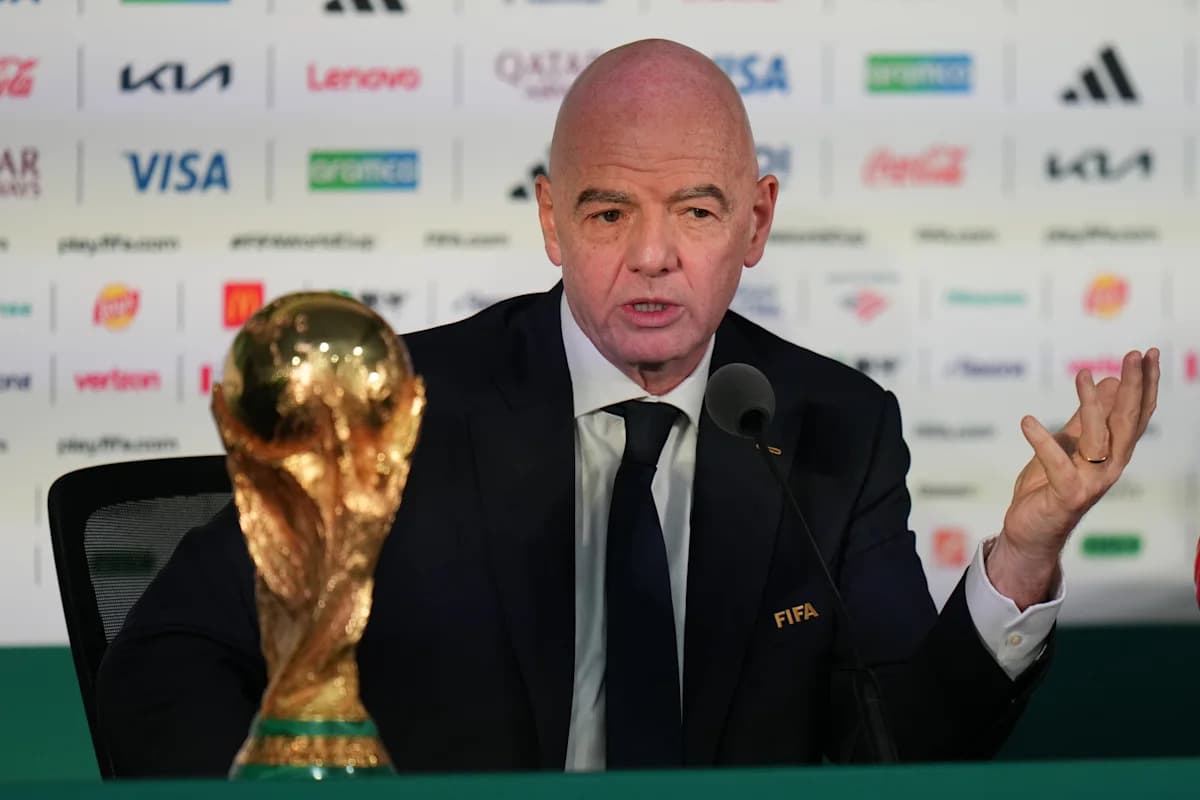
Gianni Infantino, FIFA president, has hinted at potential growth beyond 48 teams. In an interview with Swiss broadcaster Blue Sport, he explained, "This is certainly an issue that will be looked at and discussed in the relevant committees after this World Cup." He emphasized the need to make the tournament truly global, allowing every nation to dream of competing.
"If you don’t give smaller countries the chance to participate in the World Cup, they also lose the incentive to keep improving," Infantino added, pointing out that football quality is rising worldwide.
Impact of Moving to 64 Teams
Expanding to 64 teams would double the number of matches from the traditional 32-team format. Instead of 64 games, fans would watch 128 matches. That’s a massive increase compared to the 104 games played in 2026.
Organizing such a large tournament across six countries means FIFA must carefully consider logistics, travel, and player fatigue. The football world waits to see if this ambitious plan will become reality.
After Spain’s victory, officials and fans alike will watch closely for FIFA’s official decision on the future format. Whatever happens, the 2030 World Cup promises to be a landmark event celebrating 100 years of the competition.