.svg&w=384&q=75 "Naijagoal logo")

New 2026 World Cup Rules: VAR at Corners, 10-Second Substitutions, and Other Changes
Changes in the 2026 FIFA World Cup Rules
The FIFA World Cup is known for its tradition, rarely used to try out new rules. Yet, for the 2026 tournament, the International Football Association Board (IFAB) has introduced several adjustments reflecting the evolving tactics and concerns in soccer.
As set-piece play has become more dominant—drawing criticism from fans who feel it slows down open play—IFAB aims to curb some of the negative effects with new guidelines. Here’s a breakdown of what’s new for the next World Cup in North America.
VAR Can Review Fouls Before Corners
Previously, Video Assistant Referees (VAR) could only check fouls after the ball was put into play. If an offense happened before a corner kick, no review was possible unless it continued afterward, except for violent conduct. That changes now. IFAB allows VAR to intervene for fouls occurring before a corner is taken. This can lead to retaken set-pieces and disciplinary action depending on the severity.
Substitutions Must Be Completed Within 10 Seconds
To stop time-wasting during substitutions, players leaving the field must do so within 10 seconds. If they don’t, the incoming player must wait until the next stoppage, which will be at least one minute later, leaving their team temporarily short-handed. Injured players or safety concerns are exceptions.
This rule was tested in Major League Soccer. FIFA's officiating chief Pierluigi Collina highlighted a friendly between Japan and Iceland where a delayed exit forced Iceland to play short for a minute, during which Japan scored the winning goal.
Players treated on the field must also stay off for at least a minute after play resumes to discourage fake injuries. Exceptions include goalkeepers, head injuries, and players about to take penalties.
Throw-ins and Goal Kicks Limited to Five Seconds
Time-wasting through slow throw-ins will be limited. Once the ball goes out, referees will count five seconds for the player to release the ball. Failure means possession switches via a throw-in in the opposite direction. Goalkeepers face the same five-second limit for goal kicks; delays result in awarding a corner to the opposition.
Referees will signal when the countdown starts to prevent confusion.
No More Goalkeeper 'Tactical Timeouts'
Teams will no longer be allowed to use goalkeeper injuries as excuses for unscheduled tactical breaks. Referees can stop players from gathering near the sidelines during such incidents. While officials cannot punish players yet, they are urged to keep teams on the field.
Collina said there wasn’t consensus on penalties for this yet but expects future decisions. For now, it depends on players’ understanding.
Players Covering Their Mouths Can Be Penalized
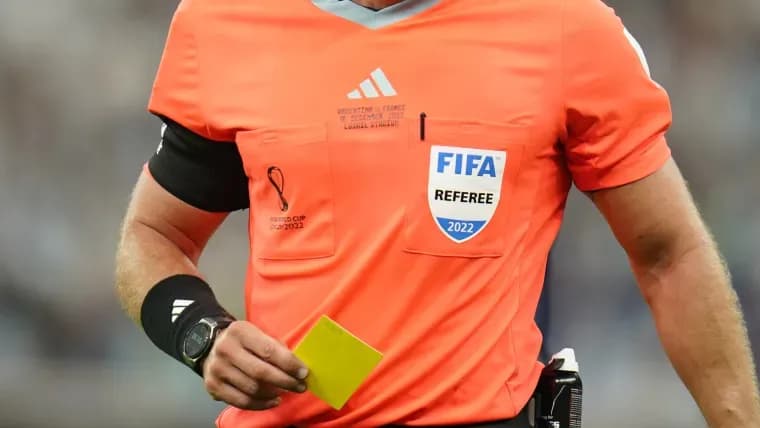
A new rule lets referees issue red cards if players hide their mouths during heated exchanges, aiming to prevent hidden abusive language. This change follows a Champions League incident involving racial and homophobic abuse where a player covered his mouth, making it hard to verify the offense.
Leaving the Pitch in Protest Brings Harsh Penalties
Walking off the field in protest will lead to a red card. Entire teams leaving the pitch and delaying the match will forfeit the game. This comes after the 2025 Africa Cup of Nations final, where Senegal walked off following a penalty decision, eventually losing their title despite winning the match.
VAR Can Intervene on Some Second Yellow Cards
VAR’s role expands slightly to review mistaken identity or clear errors in showing second yellow cards. It cannot intervene if a second yellow should have been shown but wasn’t.
Summary
The 2026 World Cup will feature fresh rules targeting faster restarts, fairer disciplinary measures, and tighter control on time-wasting. These changes might cause some initial confusion but aim to improve flow and fairness in the tournament.