.svg&w=384&q=75 "Naijagoal logo")
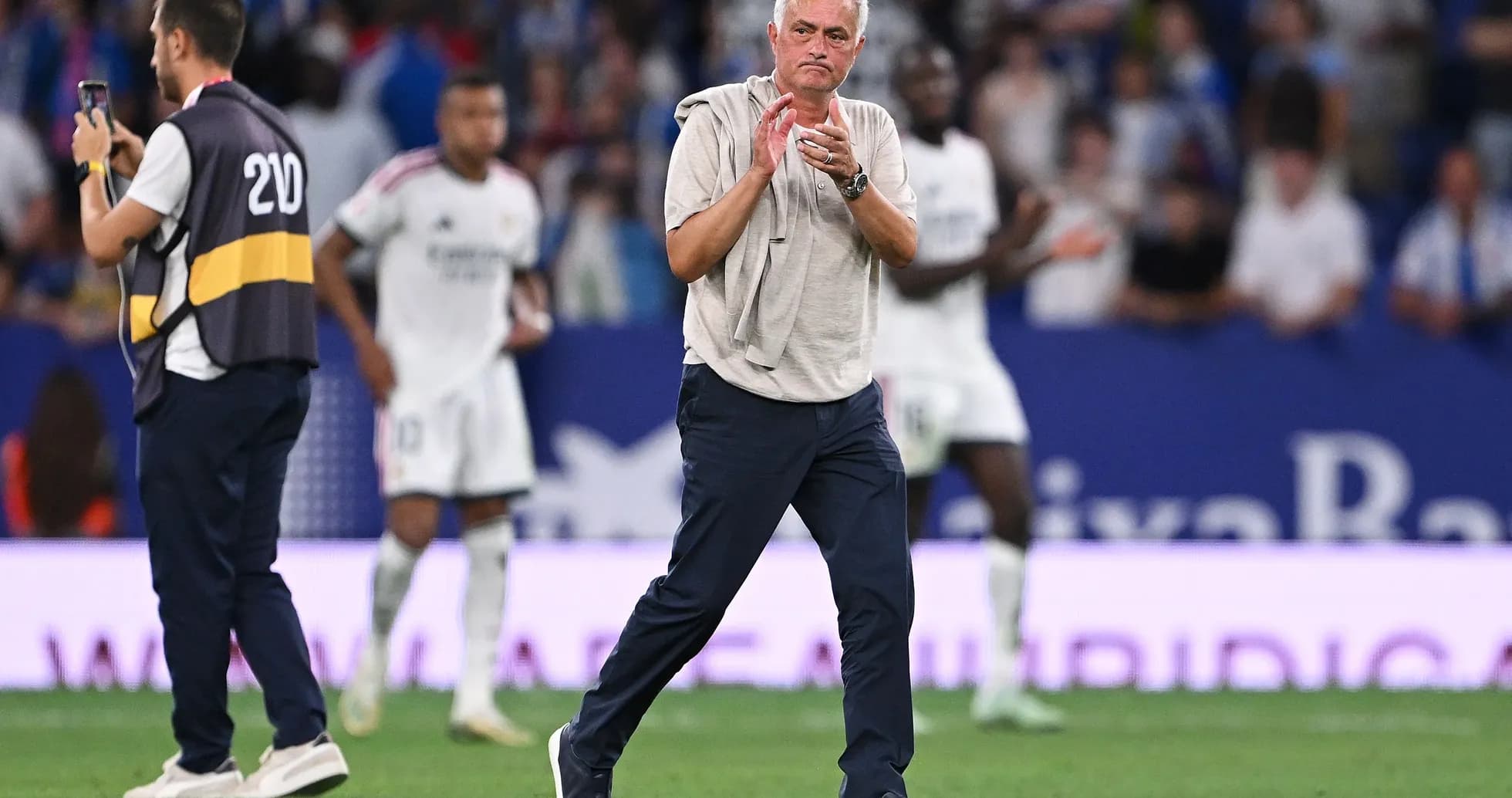

Real Madrid's Opening Day Drama Under José Mourinho
Real Madrid needed barely nine minutes to announce the start of the José Mourinho era. Arda Guler arced in a gorgeous, teasing cross, Jude Bellingham climbed above everyone and thumped his header home. One chance, one goal, and the away end exploded.
Control did not follow.
Espanyol shook off the early blow and began to drag the game into their own rhythm. Real Madrid’s back line, so often questioned in recent seasons, started to creak again. Thibaut Courtois was forced into a sharp save in the 26th minute, bailing his team out from a dangerous opening that cut straight through the middle.
The warning went unheeded. Minutes later, Alex Calatrava punished them, levelling the score and underlining how fragile Madrid’s lead had always been.
For long stretches of that first half, Espanyol carried the greater threat. On the balance of chances, the hosts looked the more coherent side, even while the scoreboard read 1–1. Every Madrid turnover seemed to open a yawning gap in front of the defence, the kind of space that invites trouble and has done for two seasons now.
The equaliser did not come from nowhere. It exposed the old debate about balance in this Madrid side. There was no true defensive anchor stepping in early, no one reading the danger before it unfolded, no body in the right lane to intercept the pass that fed the shot inside the box. When a team leans so heavily on attacking talent, those missing details become brutal. Lose the ball, and suddenly there is a chasm for opponents to run into.
If Mourinho wants to stamp a more ruthless, structured identity on this team, that is where the surgery has to start. The coming weeks will show how serious he is about fixing it.
The match drifted into the kind of tense, bitty contest that often defines opening weekends. Espanyol grew braver, Madrid more anxious. The visitors never truly imposed a steady tempo or sustained territorial dominance; instead, they lurched between flashes of quality and long spells of discomfort.
Then, just as a draw seemed locked in, the bench changed everything.
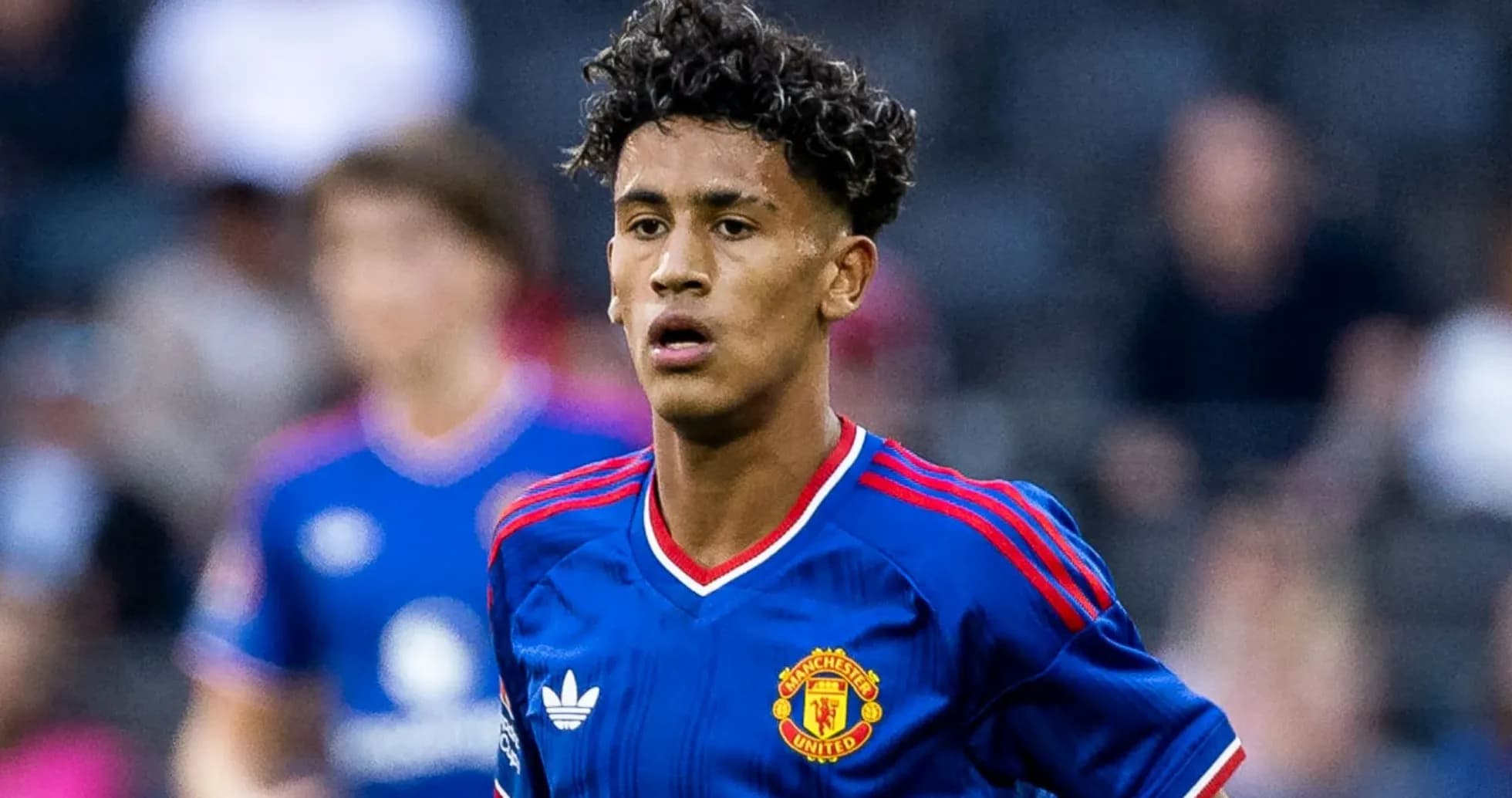
In the 90th minute, Espi seized his moment. A bout of confusion inside the Espanyol box, a loose defensive reaction, and the substitute reacted quicker than anyone. He pounced, lashed the ball home, and ripped three points out of a game that had looked ready to slip away.
That late strike spoke loudly about the value of Mourinho’s options in reserve. It also covered up a problem. Madrid did not win because they strangled Espanyol with wave after wave of organised attacks. They won because they punished a lapse, a single messy sequence at the death, not because they showcased the kind of collective authority that used to define the club at their best.
On paper, it is the ideal beginning for Mourinho: three points, a last-minute winner, the narrative of late drama and character. On the pitch, the same old issues reappeared. The lack of clear attacking patterns, the struggle to dictate the rhythm, the recurring gaps that let opponents create danger – all of it flickered back into view in Catalonia.
It is early. One match cannot carry the weight of a season, especially with players still adjusting to a returning coach and his demands. But patterns have a habit of repeating. If these cracks keep opening against stronger opposition, what appeared tonight as early-season rust will start to look like something far more entrenched.
For now, the table will show exactly what Mourinho wants: Real Madrid up and running with a win. The performance leaves a different picture. Was this just an untidy, nerve-filled opening day, or the first reminder that even with the Portuguese back on the touchline, the same problems are still waiting underneath?