.svg&w=384&q=75 "Naijagoal logo")

Premier League Survival Challenge: Coventry, Ipswich, and Hull
The Premier League curtain is about to rise again, and three old names are back on the bill. Coventry City, Ipswich Town and Hull City have fought their way out of a brutal Championship season. Now comes the hard part: staying put.
Can they survive? Who carries their hopes? And which new faces might change everything?
Here’s where they really stand.
Coventry City: Smarts, goals and a shot at staying up
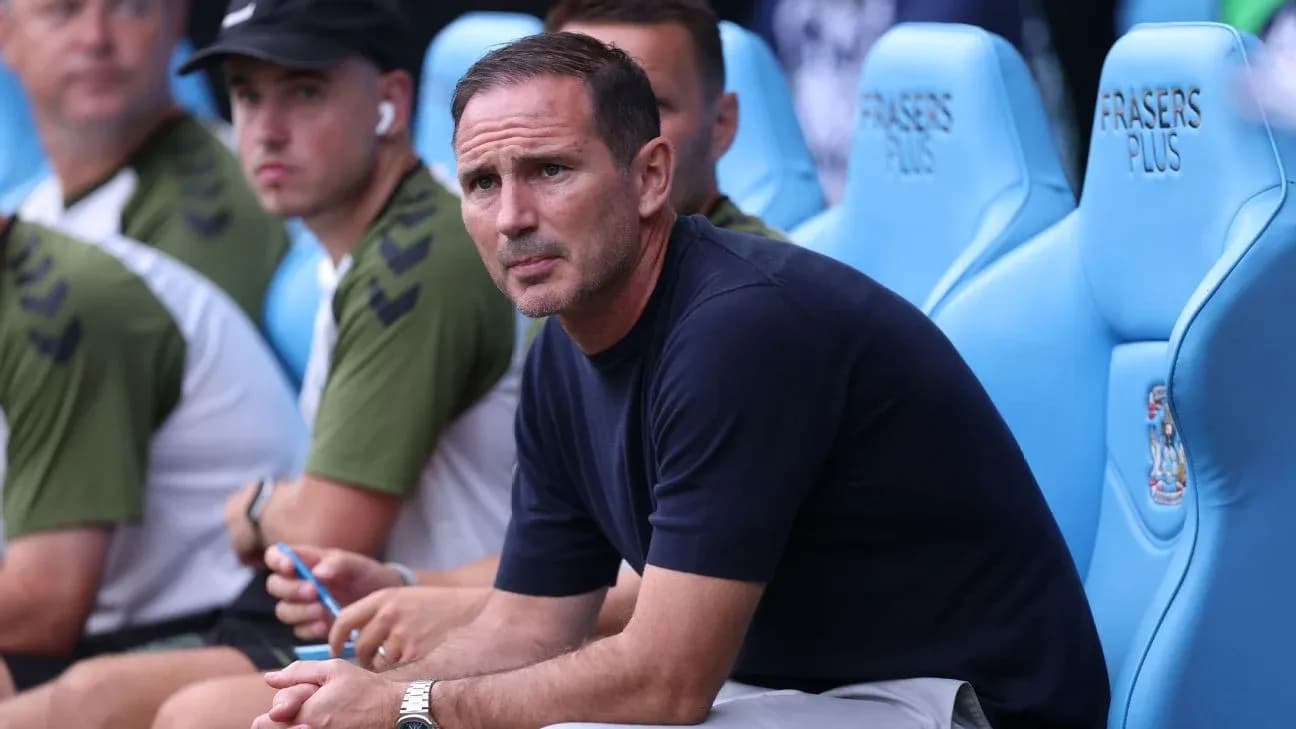
Twenty-five years after they fell through the trapdoor, Coventry City return as champions, not passengers. This promotion has been years in the making, built on some of the sharpest recruitment in the Championship and finally unlocked by the right manager: Frank Lampard.
How they came up
Coventry didn’t just edge over the line. They tore through the division.
Lampard’s side scored 97 league goals, the fourth-highest tally ever in a 46-game Championship season, and they paired that with the best defence in the league, conceding only 45. That balance powered them to the title by 11 points, with four games still to play. The race was effectively over before spring had settled.
Style of play
This is a front-foot team. Not a one-man show.
Seven different Coventry players hit seven or more league goals, a spread that made them difficult to predict and even harder to contain. They fired more shots on target than anyone else in the division and ranked second for big chances created. Lampard has mainly gone with a 4-2-3-1, but he has switched to 4-3-3 when the game state demanded it, keeping opponents guessing without sacrificing attacking intent.
Key man: Jack Rudoni
Jack Rudoni is the one to keep an eye on.
Seven goals, seven assists last season tell part of the story. The rest is in his movement. He roams from midfield, crashes into the box, links play and supplies power in transition. Championship regulars have long felt he carried a touch of Premier League quality. Now he has the stage to prove it, week after week, against the best.
Key signing: Caleb Yirenkyi
Coventry have not tiptoed into this window. They have smashed their transfer record three times, the latest to land Caleb Yirenkyi from Nordsjaelland for £23.1 million.
The Ghana midfielder, who played in all four of his country’s World Cup games and scored against Panama, operates at the base of midfield as a No. 6. He breaks up play, carries the ball, and starts attacks from deep. In a league where promoted teams are often overrun in the middle, his dynamism could be the difference between being pinned back and punching back.
Verdict
Of the three promoted clubs, Coventry look the most prepared for the step up. Lampard has created a tight, unified dressing room and a clear identity. Survival will still be a scrap, but if anyone from this trio clings on by their fingernails and builds from there, it’s likely to be them.
Ipswich Town: Back again, but without their architect
Ipswich Town have done the yo-yo in fast-forward. After back-to-back promotions, they lasted just one season in the Premier League, winning four games and finishing 19th with 22 points. They regrouped, reset and came straight back up.
But they’ve lost the man who engineered the rise.
Kieran McKenna has gone, leaving in the summer, and Gary O’Neill has been tasked with turning a story of momentum into one of survival.
How they came up
Ipswich’s route back wasn’t built on chaos or romance. It was built on resistance.
They owned the Championship’s second-best defensive record, keeping 17 clean sheets and conceding just 47 goals. They weren’t close to Coventry in overall dominance, but they were hard to break down and rarely folded.
Style of play
McKenna dialled down the wildness that marked their previous Premier League stint. Ipswich became compact, organised and stubborn.
O’Neill is unlikely to rip that up. His past work points to a preference for a 4-4-2, with teams that stay narrow, disciplined and difficult to play through. For a club that will be outgunned most weeks, that structure is non-negotiable. The challenge is adding enough threat at the other end to make the grind worthwhile.
Key man: Azor Matusiwa
Azor Matusiwa has not featured in pre-season, but his importance is obvious.
When fit, he is the midfielder who does the ugly work. He screens, tackles, presses and plugs gaps. Ipswich will spend long stretches without the ball in the Premier League; a player willing to live in the shadows, protect the back four and set the tone physically will be essential to any survival plan.
Key signing: Emersonn
Goals. They will decide whether Ipswich cling on or drop again.
Four players reached double figures in the Championship last season, but this is a different level. That’s why the club broke their transfer record to sign Emersonn for £24m from Toulouse.
The numbers don’t scream sure thing: six goals last season in France. Yet Ipswich are banking on his age and flashes of genuine talent. He has to adapt quickly, find his feet and carry a scoring burden he has never shouldered before. If he doesn’t, the margins at the bottom will be unforgiving.
Verdict
McKenna’s departure hangs over this season like a cloud. His influence in dragging Ipswich from League One to the top flight again cannot be overstated, and losing that brain and authority just as they return to the Premier League is a huge blow.
There is a decent core of players and a defensive base to work from, but all signs point towards another struggle. Right now, they look more likely to slip back than to establish themselves.
Hull City: From the brink to the big time
Hull City’s story is the wild one.
Two seasons ago they survived relegation to League One on goal difference. They started 2025-26 under a transfer embargo. They only squeezed into the playoffs with a win on the final day. Yet here they are, in the Premier League, dragging with them a reputation for grit, resilience and sheer refusal to bow.
They will need every ounce of that now.
How they came up
By most metrics, Hull had no right to be here.
They conceded 66 goals in the Championship, the fourth-worst defensive record in the division. They lurched through the season, yet when it mattered, they found performances against the top-10 sides and showed real steel away from home in those fixtures.
Then came the playoffs. And something clicked. They did not concede a single goal across the entire playoff campaign, capped by a 1-0 win over Middlesbrough in a final overshadowed by the ‘Spygate’ controversy. Under pressure, the leakiest of back lines suddenly turned watertight.
Style of play
Sergej Jakirovic arrived as a relative unknown. He won’t be anonymous for long.
Hull usually line up in a 4-2-3-1, but Jakirovic has shown he will not stand still tactically. He flipped to a back three with wing-backs to hurt Millwall in the playoff semifinal, a switch that underlined his willingness to adapt to opponents and moments. Above all, he has hammered home the idea of the collective. For him, Hull’s strength is the unit, not the individual.
Key man: Ryan Giles
Within that collective, Ryan Giles has emerged as a crucial outlet.
Nominally a left-back, he has become Hull’s chief creator, surging forward and bending games from the flank. Eight assists in the Championship last season highlight his influence. His crossing and set-piece delivery are sharp, and in a side that may struggle for open-play chances in the Premier League, his left foot could become their most reliable weapon.
Key signing: Konstantinos Tzolakis (and one to watch)
Hull’s summer recruitment screamed one thing: fix the defence.
They broke their transfer record to sign goalkeeper Konstantinos Tzolakis from Olympiacos, a move that underlines how central he is to their survival hopes. If Hull are to stay up, they will spend long spells under siege. Tzolakis will need to justify the investment with big saves and calm in chaos.
Lucas Gourna-Douath also deserves a mention. Once tipped for big things, the 23-year-old arrives with something to prove and time still on his side. If he can rediscover his best form, Hull might have unearthed a midfielder capable of lifting the level of those around him.
Verdict
Strip away the romance and Hull look alarmingly fragile.
They come up with one of the weakest squads to enter the Premier League in recent memory: short on proven quality, light on top-flight experience, and thin in depth. Their defensive record last season is a glaring red flag, and there are serious doubts about where the goals will come from.
They have spirit, a flexible coach and a few intriguing signings. But will that be enough when the reality of the top flight bites?