.svg&w=384&q=75 "Naijagoal logo")

Premier League’s African Core for 26-27: Key Players and Storylines
The Premier League’s African core is once again stacked for 26-27: stars in their prime, big-money bets, late bloomers, and players staring down the season that could define their careers. Here are 12 storylines that will shape the campaign.
Carlos Baleba – Brighton & Hove Albion (and maybe Manchester United)
A year later, the script feels eerily familiar. Carlos Baleba is still a Brighton player, still heavily linked with Manchester United, and still waiting for the move that could change everything.
The failed transfer last summer hurt him. Brighton boss Fabian Hürzeler publicly called him out for letting the saga get into his head, and the Cameroon international never rediscovered his sharp 24-25 form. This time, though, the landscape at Old Trafford is different. Casemiro has gone. United’s need for a central midfielder is sharper, the pathway clearer.
Baleba is only 22. He would walk into a dressing room now shaped by Michael Carrick’s influence and a club that, at least on paper, looks more stable than it did a year ago. If the move finally happens, he has no excuse not to grow into it.
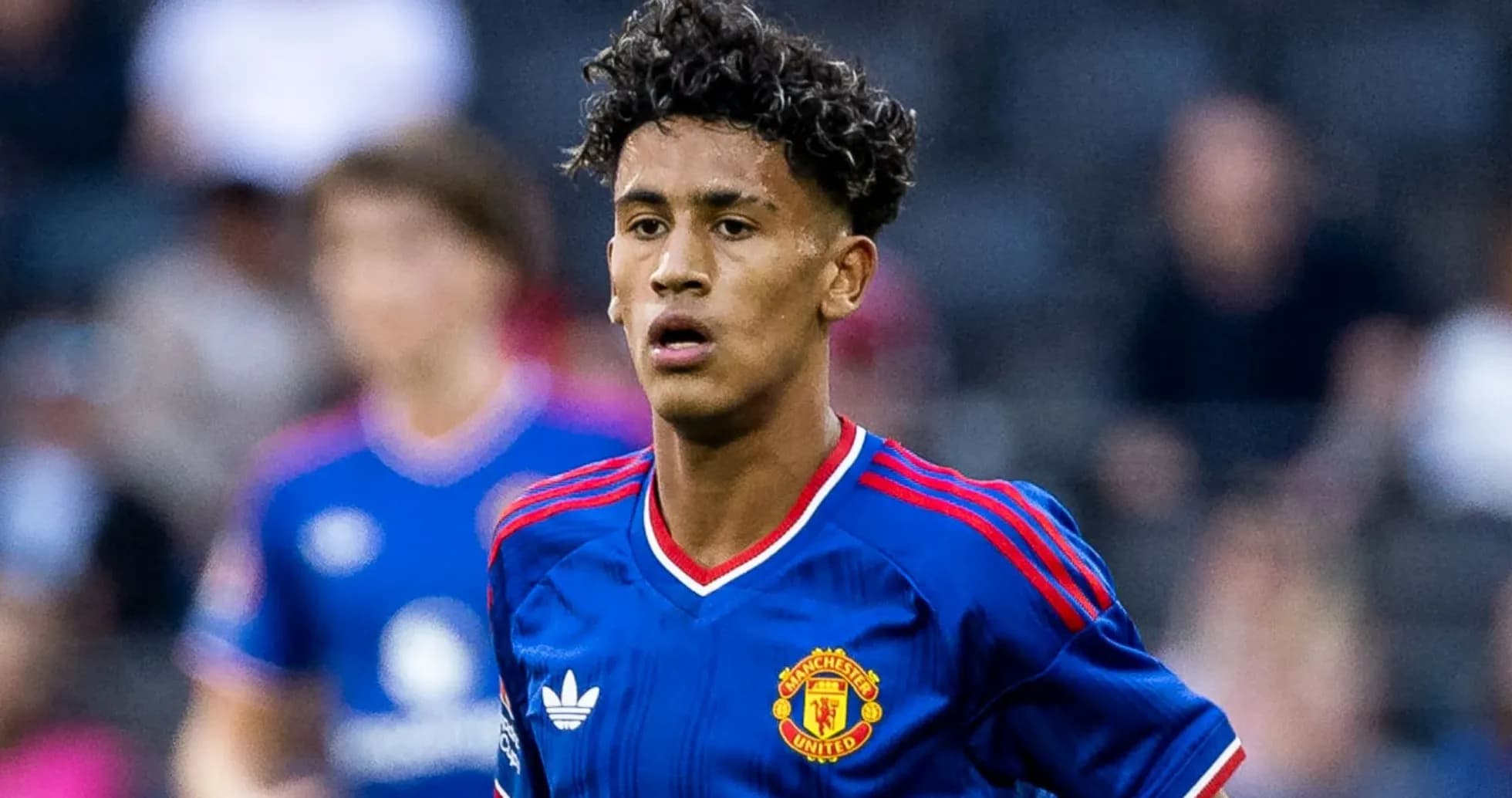
Amad Diallo – Manchester United
The time for patience has gone. Amad Diallo comes back to Manchester United on the back of a lively FIFA World Cup with Ivory Coast, where he scored a superb winner against Ecuador and the equaliser in a chaotic Last 16 defeat to Norway.
Some felt Emerse Faé could have used him more, yet Diallo still made his mark. Now 24, he can’t be treated as a project anymore. Under Ruben Amorim he flashed real quality in spells; this season he has to turn those flashes into a permanent place in the XI.
Diallo is technically immaculate, slippery in tight spaces, and blessed with a highlight-reel left foot. The question is no longer about talent. It’s whether he can turn that talent into 30-plus starts and the kind of output that makes him one of the league’s main attractions.
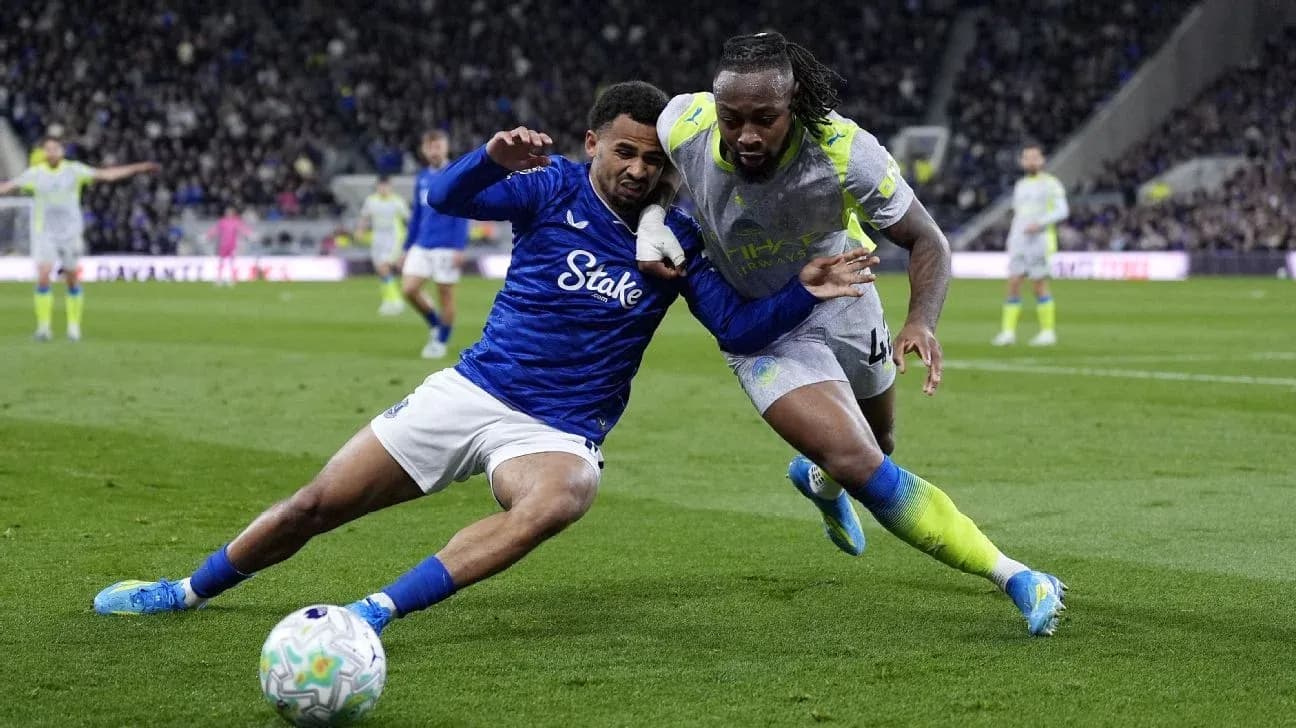
Iliman Ndiaye – Everton
Few players can light up a game like Iliman Ndiaye. Senegal’s playmaker barely featured at the World Cup – just 113 minutes – but still walked away with a goal and two assists, a reminder of how devastating he can be when given the stage.
Everton haven’t consistently found that version of him. David Moyes still seems unsure how best to use him, or where exactly to pin him in his attacking structure. The result: nine direct goal involvements last season, an underwhelming return for a player of his gifts.
Rumours of Saudi interest and reports that the 26-year-old has turned down a new contract mean his future at Goodison Park is far from secure. If he stays, he has to become the heartbeat of this Everton side. If he goes, this might be the last season the Premier League gets to enjoy him at his peak.
Nicolas Jackson – Chelsea (for now)
Nicolas Jackson’s future has drifted from hopeful to hazy. After a loan spell at Bayern Munich, there was a sense early in the offseason that he might get a clean slate at Chelsea and a genuine second chance at Stamford Bridge.
Instead, the mood has darkened. Xabi Alonso has praised the 25-year-old striker, but reports this week say he is among a dozen Chelsea players told to train away from the first team. That is as blunt as it gets: the club are ready to move on.
Jackson struggled to impose himself at the World Cup and now sits in limbo, with talk of a switch to Aston Villa and a reunion with Unai Emery gathering pace. A move to Villa Park, under a coach who knows him from Villarreal and knows how to build around him, could rescue a career threatening to stall at the wrong moment.
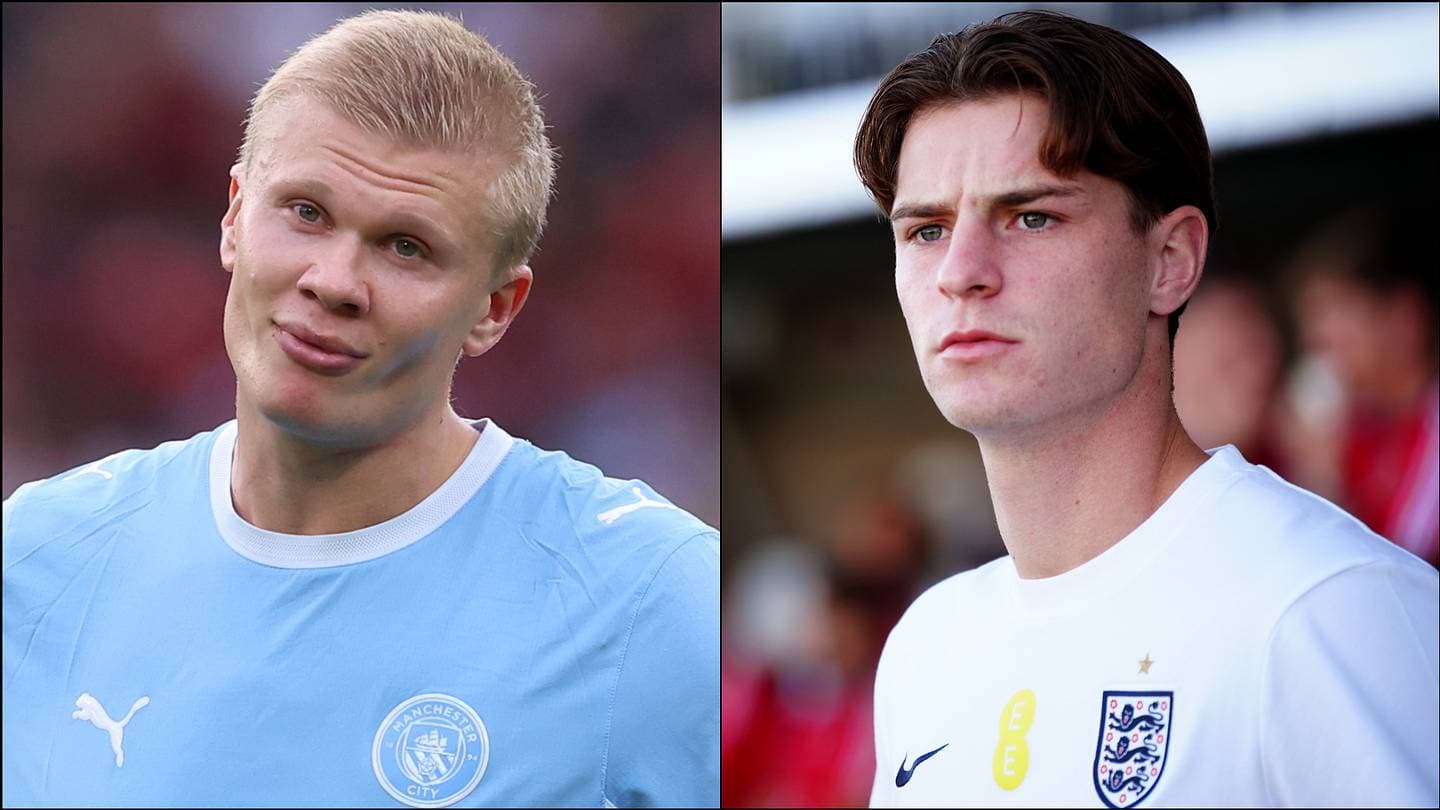
Antoine Semenyo – Manchester City
Antoine Semenyo walked into Manchester City and looked like he belonged from day one. He adapted instantly, scored a gorgeous FA Cup final winner, and gave one of Europe’s giants a new, direct edge in attack.
Pep Guardiola’s departure changes the equation. The Ghana international loses a mentor who could have refined every detail of his game, and now faces the challenge of proving that his early impact wasn’t just a hot streak under a master coach.
Minutes at City are always at a premium, but Semenyo has earned the right to set bold targets. Breaking the 20-goal mark in all competitions and deepening his on-field understanding with Erling Haaland is not a fantasy. It’s the next step if he wants to move from exciting signing to undisputed star.
Brandon Thomas-Asante – Coventry City
Brandon Thomas-Asante has taken the long road. Non-league pitches, lower-league graft, the slow climb. Now, at 27, he finally gets his crack at the Premier League with Coventry City.
His World Cup with Ghana was a tease. Just 51 minutes on the pitch, but one decisive assist in the opener against Panama and the sense that he could have offered even more. Speaking to ESPN, he made it clear how much this opportunity means: years of “holding out and holding out, pushing, pushing,” rewarded with a place in what he calls the league he always believed he belonged in.
Coventry will lean on his pace, his aggression, and his eye for goal. The question is simple and brutal: can he make the same impact against elite defenders, and will he get enough time on the pitch to show it?
Taiwo Awoniyi – Coventry City
Taiwo Awoniyi arrives at Coventry in a £9 million deal from Nottingham Forest knowing exactly what is at stake. At 29, this feels like his last big shot at proving he can be a reliable Premier League No. 9.
The tools are there. Intelligence in his movement, raw power, strong penalty-box instincts. Yet he hasn’t hit double figures in the league since 2022-23. Last season brought just four goals, injuries biting into his rhythm and confidence.
Coventry, back in the top flight and desperate to stay there, need more. A lot more. If Awoniyi can stay fit and rediscover his scoring touch, he becomes the difference between another yo-yo story and a club that digs in and survives.
Yoane Wissa – Newcastle United
Yoane Wissa’s first year at Newcastle United was a nightmare. A £50 million signing from Brentford, he arrived with expectations of being a key forward for a side pushing the top six. Instead, injuries slowed him early, and even after he opened his account in the EFL Cup in December, the league goals never flowed.
One Premier League goal. That was it. For a 29-year-old forward brought in at that price, the return was brutal.
This season, the excuses evaporate. Eddie Howe has gone, the squad is being reshaped, and Wissa must fight for his place in a new-look side. He still has the experience, the physicality, and the finishing ability that convinced Newcastle to pay big. Now he has to show it, or risk becoming an expensive footnote in the club’s new era.
Bryan Mbeumo – Manchester United
Bryan Mbeumo left Brentford with a reputation as one of the most intelligent forwards in the division. At Manchester United, he has largely justified the hype.
In his first season at Old Trafford, he showed he belongs at the very top: smart movement, relentless work-rate, consistent end product. He helped steady the team during the turbulence of Ruben Amorim’s final months, winning admirers in the stands and the dressing room.
The bar now rises. Twenty league goals is a realistic target; he hit that number for Brentford in 24-25. What he cannot afford is another slump like last season’s barren run between early February and late May, when the goals dried up completely. If United are to challenge properly, Mbeumo has to be ruthless from August to May.
Omar Marmoush – Manchester City
Omar Marmoush looked tailor-made for Manchester City when he arrived, a versatile forward with a proven scoring record at Eintracht Frankfurt. The reality under Guardiola was harsher.
Three league goals. Eight starts. For long stretches, he simply drifted out of the picture, his obvious qualities never fully harnessed in a system that demands perfection.
Guardiola’s exit might be the reset he needs. Under Enzo Maresca, Marmoush has already flickered back into life, scoring twice in a pre-season win over Atletico Madrid and reminding everyone why City signed him in the first place. Yet talk of a move to Tottenham Hotspur refuses to die down. This season will either relaunch his City career or send him into a new chapter entirely.
Frank Onyeka – Coventry City
Frank Onyeka returns to the Premier League with unfinished business. At Brentford, he never quite nailed down a permanent starting spot under Thomas Frank, often used as a squad piece rather than a cornerstone.
Drop down a level and the story changed. Under Frank Lampard in the second tier, Onyeka finally looked like the midfield enforcer many expected him to be. Now Coventry are back in the top flight, and the 28-year-old has another chance to prove he can dominate at this level.
His experience in relegation scraps with Brentford could be priceless for a newly promoted side. With another Africa Cup of Nations on the horizon for Nigeria next summer, Onyeka has every incentive to turn this campaign into the best of his career.
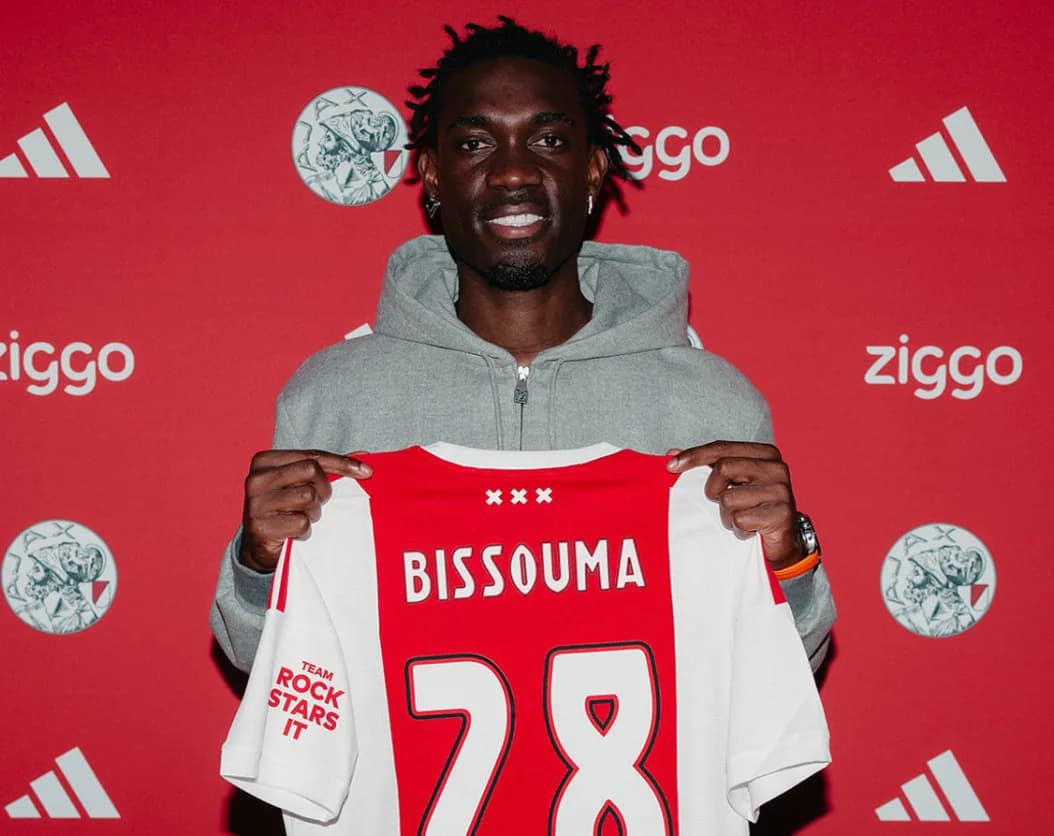
Ousmane Diomande – Nottingham Forest
Ousmane Diomande might just be Africa’s next great centre-back. Nottingham Forest, a club that has built its Premier League survival on defensive resilience, looks like the perfect place to find out.
At Sporting Lisbon he reached a point where the Portuguese league looked too easy. He cruised through games, reading danger early, stepping out with confidence, and handling pressure like a veteran. The Premier League will not be so forgiving.
At 22, he has the raw materials modern clubs crave in a central defender: pace, strength, composure on the ball, and the courage to defend on the front foot. If Forest give him the platform and he adapts quickly, this could be the season he announces himself as the next elite African defender – and forces the rest of the league to take notice.