.svg&w=384&q=75 "Naijagoal logo")

Manchester United's Summer Transfer Strategy: Navigating Setbacks and Flexibility
Manchester United’s summer was never supposed to be simple. It rarely is. But even by Old Trafford standards, this window has turned into a test of nerve, judgment and restraint.
The grand plan was clear enough: one marquee midfielder to reshape the heart of the team, maybe two. Instead, United have watched Elliot Anderson cross the city to Manchester City for £116 million, seen Mateus Fernandes choose Tottenham for £85m and pulled the plug on a £35m deal for Éderson after medical concerns. Three targets, three setbacks. No need to rip up the blueprint, but the pencil marks are everywhere.
Flexibility by necessity, not design
Before the window opened, CEO Omar Berrada talked about the need to be “flexible.” It sounded like a corporate buzzword. It has become the defining theme of United’s summer.
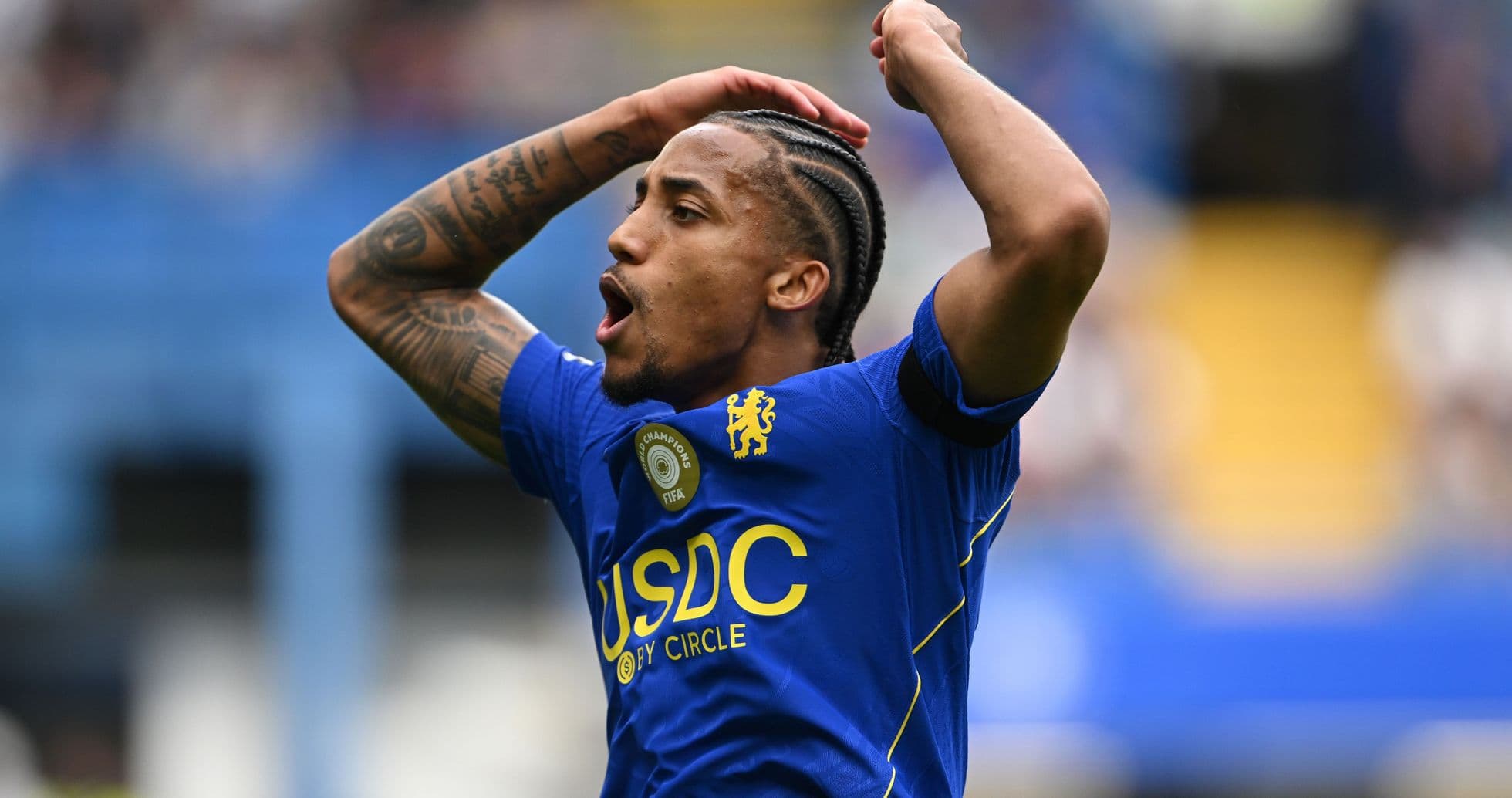
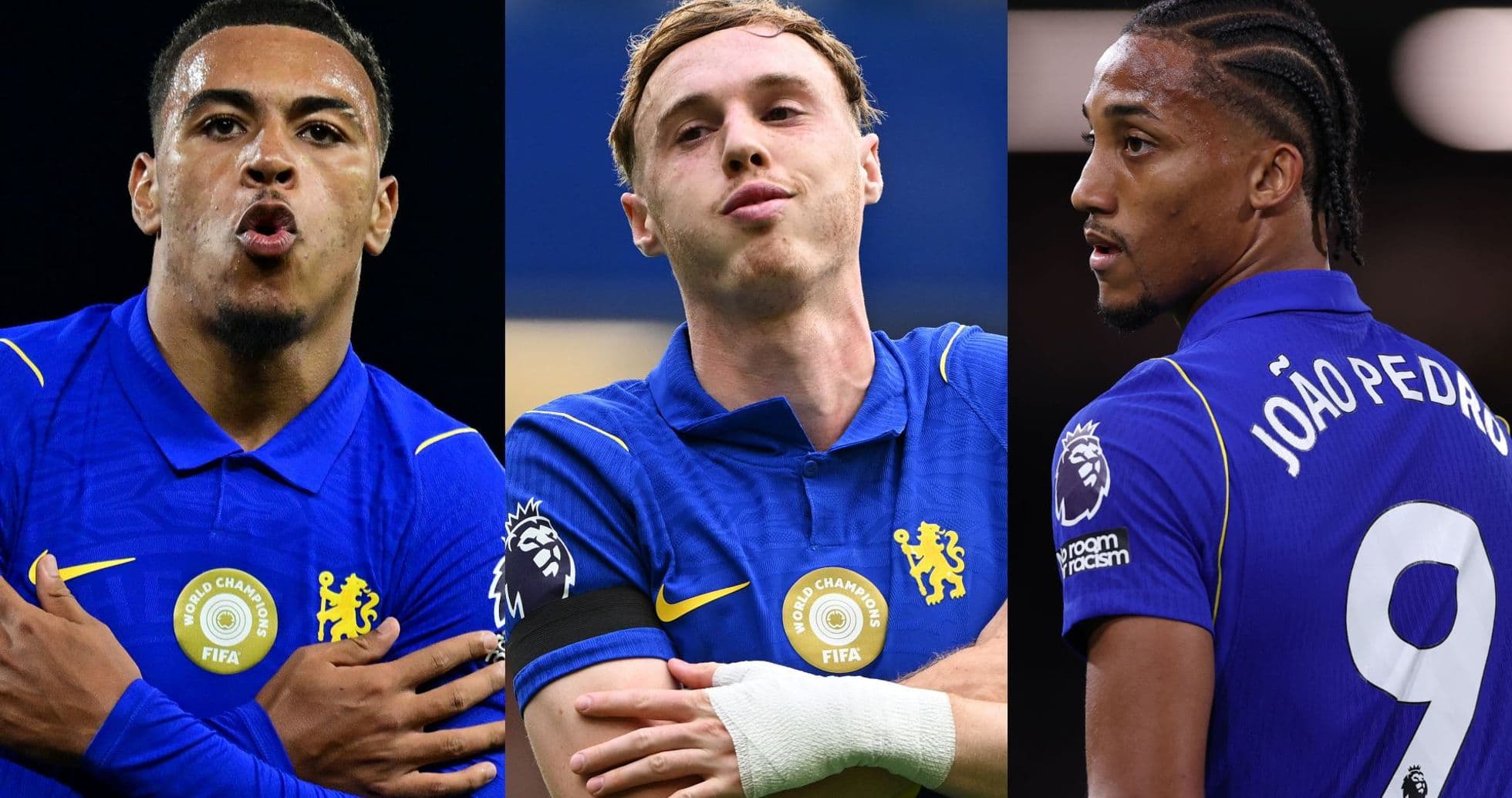
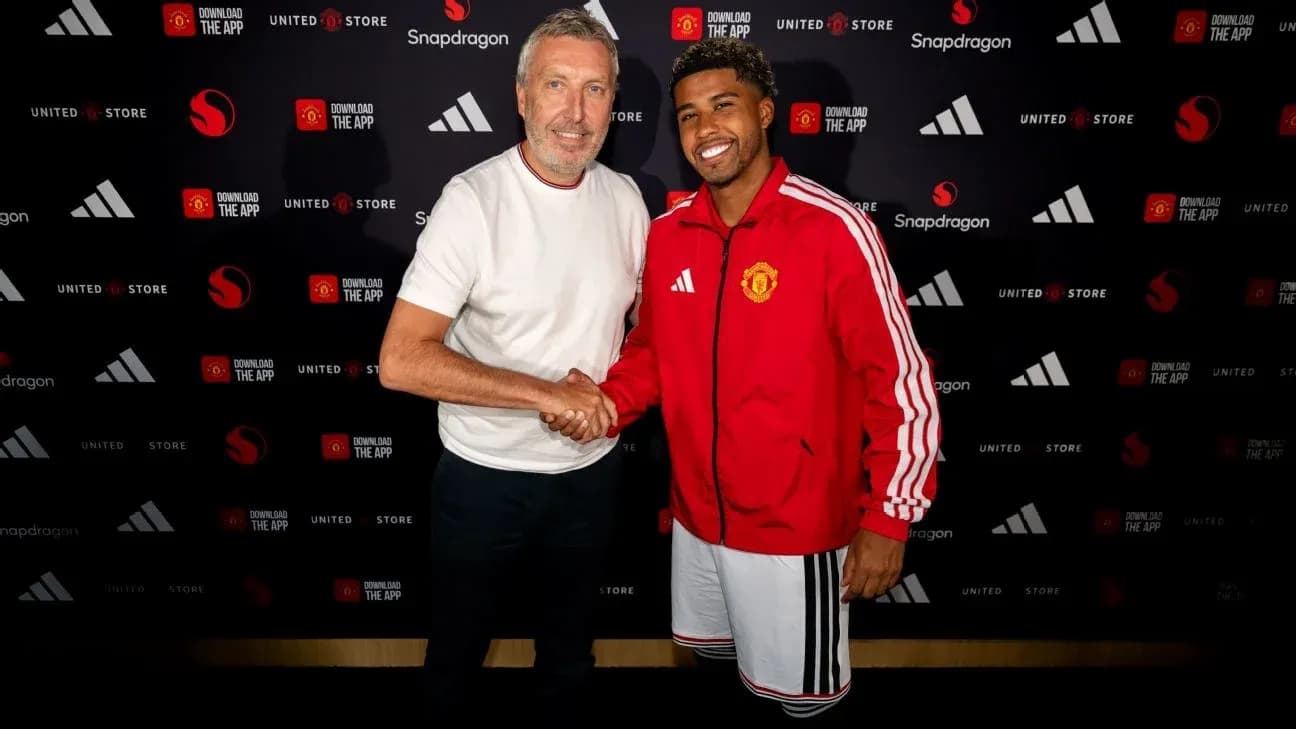
The midfield rebuild that was supposed to revolve around Anderson and Fernandes now rests on Andrey Santos, signed from Chelsea for £48m, and Youri Tielemans, brought in from Aston Villa for £35m. Not quite the headline-grabbing double act many imagined, but very much a deliberate shift rather than a panic pivot, according to those inside the club.
Berrada and director of football Jason Wilcox, say sources, have tried to project calm in a market that punishes anxiety. United have panicked before. They know what it costs. This time, the message internally has been as much about avoiding the wrong deals as landing the right ones.
They learned quickly that Anderson, their initial top target, was drifting out of reach. City’s interest hardened, Nottingham Forest dug in for an initial fee close to £120m, and the warning signs started flashing.
United only needed to look back to January and Antoine Semenyo to understand what happens when City enter the room. United believed they were well placed for the Bournemouth winger after positive talks with his camp. Then Semenyo met City. Wage demands rose sharply. United walked away. He ended up at the Etihad for £64m.
This time, they refused to get dragged into a similar spiral. They cooled their interest in Anderson early rather than chase a deal that would stretch both their budget and their wage structure.
Fernandes, commitment and the lesson of Sancho
If Anderson was a financial and competitive calculation, Fernandes was a question of commitment.
United had budgeted between £80m and £90m for a midfielder and could have matched Tottenham’s £85m move. They didn’t. Sources indicate that during talks with Fernandes’ camp, United never felt a clear pull towards Old Trafford. No firm indication it was his first choice. That mattered.
When the time came to decide whether to meet West Ham’s demands, doubts over Fernandes’ enthusiasm weighed heavily. The club has recent scars. Some staff still believe Jadon Sancho’s struggles stemmed partly from never being fully convinced about leaving Borussia Dortmund in 2021. They do not want to repeat that mistake.
Contrast that with Bryan Mbeumo and Matheus Cunha last summer. Both had serious interest from other clubs, some in the Champions League, but made it clear they only wanted United. Internally, that clarity of intent is viewed as a key reason why they settled so quickly.
Tielemans, in that sense, was an easy tick. Premier League-hardened, technically assured, and crucially, unequivocal about wanting to join United. The fact his £35m release clause removed the “United tax” that Berrada is determined to avoid only strengthened the case.
Éderson deal stalls, budget reality bites
The Tielemans move came only days after United halted their pursuit of Éderson. An agreement worth around £35m with Atalanta had been in place before the World Cup, only for medical tests to highlight an issue that left United feeling they could not proceed.
The door is not completely closed. Club sources have not ruled out revisiting the deal later in the summer. For now, though, it is off the table.
All of this plays out against a financial backdrop that remains tight despite the injection of Champions League revenue. United are not in a position to spray money around. Internally, Fernandes had initially been placed in a £40m-£50m bracket, particularly if West Ham went down. When his price nearly doubled, alarms sounded at Old Trafford about what that might do to the wider market.
Santos at £48m, plus £2m in add-ons, looked far more palatable. A younger profile, a lower fee, and a structure that fits United’s attempt to be more disciplined.
Tottenham’s early aggression in the market only sharpened that contrast. Few at United expected Spurs to drop a combined £185m on Fernandes and Newcastle’s Sandro Tonali, another midfielder on United’s long list. Part of United’s recruitment work involves trying to second-guess rivals. Tottenham’s spending blew up some of those forecasts.
Sales that never came
The original hope was that departures would quietly fund the big midfield move. The plan was simple enough: raise around £90m from outgoings such as Rasmus Højlund, who has gone to Napoli for £40m, and potentially Marcus Rashford, Manuel Ugarte, Joshua Zirkzee and Altay Bayindir.
The market had other ideas. Barcelona opted not to take up a permanent £25m option on Rashford. Ugarte then suffered a serious knee injury with Uruguay at the World Cup, likely ruling him out for most of the year and ending any prospect of a sale.
As the income projections shrank, the need for precision grew. Every decision now feeds into a constantly shifting budget model. Release clauses, like Tielemans’, carry extra weight because they sidestep protracted negotiations and inflated premiums.
Third midfielder still on the table
Ugarte’s injury has reopened a question that United thought might be settled: do they need a third midfielder this summer?
Inside the club, the answer is leaning towards yes. The scouting net remains wide. Bournemouth’s Alex Scott and Tyler Adams are on the list. So is Fulham’s Sander Berge. Crystal Palace’s Adam Wharton has been monitored heavily, as have Wolves’ João Gomes, Roma’s Manu Koné and Lille’s 18-year-old Morocco international Ayyoub Bouaddi, who caught the eye at the World Cup.
Eduardo Camavinga has been offered to a number of Premier League clubs, including United. Carlos Baleba was the subject of an enquiry last summer, but Brighton’s stance was blunt: the initial fee would need to be in the same region as the £100m Chelsea paid for Moisés Caicedo in 2023. For a club trying to escape its reputation for overpaying, that kind of figure sits uneasily.
Beyond midfield: gaps across the squad
The rebuild does not stop in the middle of the pitch. United still want a left-sided player — either a full-back or a winger — and a second striker to ease the burden up front.
In goal, the club are closing in on Wales international Karl Darlow, 25, from Leeds United. He is expected to arrive as experienced cover for current No.1 Senne Lammens, another piece in the depth puzzle.
The demands of next season will be unforgiving. A third-placed finish has brought Champions League football back, and with it a heavier schedule and greater physical strain. United know they must lift the standard of the starting XI and deepen the bench at the same time. That is the tightrope.
Six weeks, plenty of questions
Inside Old Trafford, the mood is more measured than the noise outside. There is frustration among supporters that a blockbuster midfield name has not arrived. United, though, are adamant that this window can only be judged when the deadline passes, not halfway through the story.
They have six weeks until the Premier League kicks off on Aug. 22 and seven until the market closes on Sept. 1. Time, just about, to turn a summer of setbacks into something more coherent.
The best-laid plans have been bent and reshaped, but not abandoned. Now comes the hard part: proving that patience and discipline in July can still produce a team ready to compete in September.