.svg&w=384&q=75 "Naijagoal logo")

What Comes After Guardiola? Manchester City's New Era with Maresca
For the first time in a decade, Manchester City walk into a new season and Pep Guardiola is nowhere near the technical area.
The Spaniard’s exit slams the door on the most successful era the club has ever known: six Premier League titles, one Champions League, and a style of football that bent the league to his will. The question now is simple and brutal.
What comes after a dynasty?
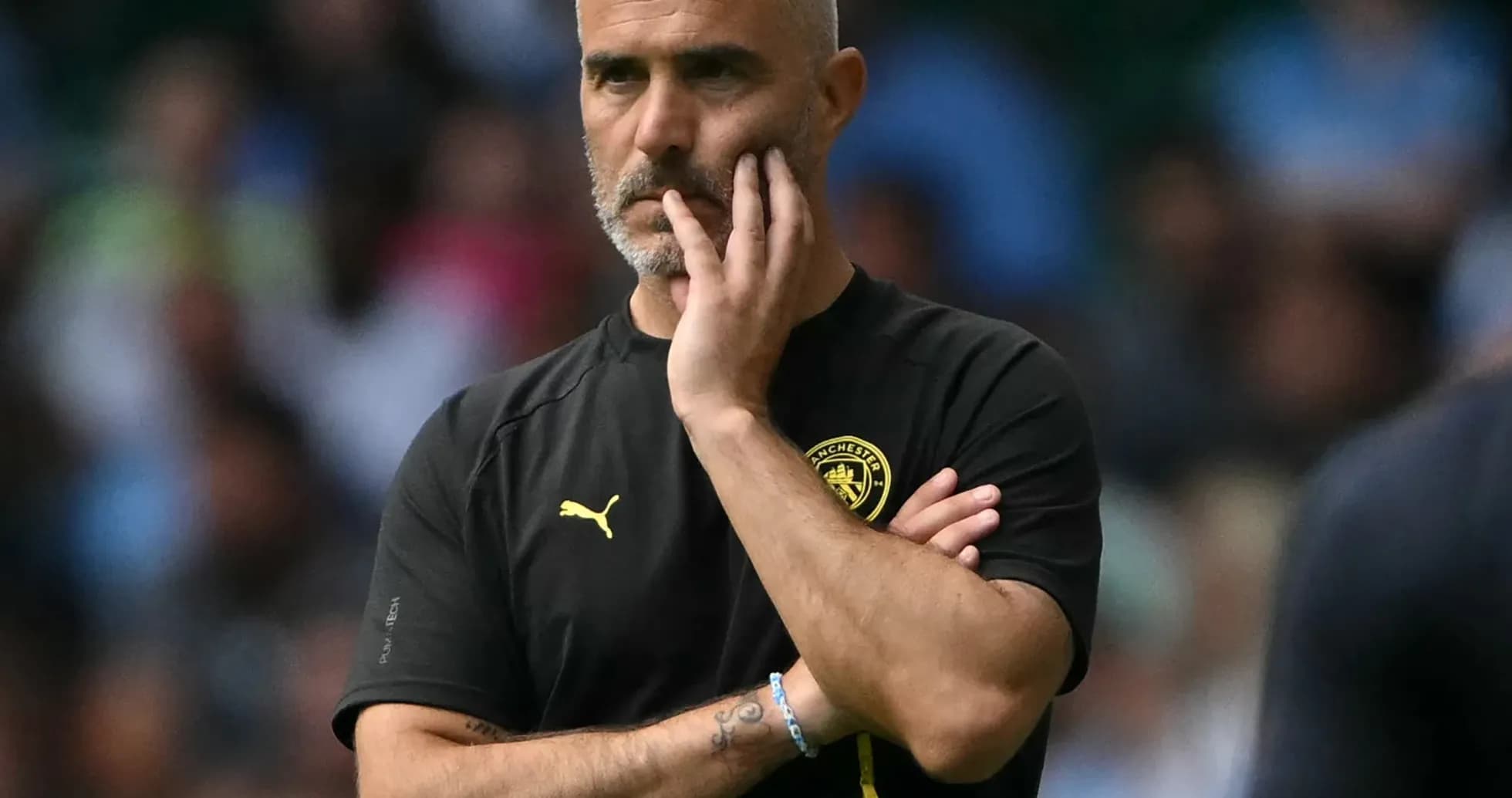
Enzo Maresca steps into the glare, inheriting a squad still headlined by Erling Haaland and stacked with elite talent, but also the burden of replacing a legend. City open their league campaign at home to Bournemouth on Sunday, and the storylines are already piling up.
Here are the five that will define their season.
Can Maresca really follow Guardiola?
This is not just a change of manager. It is a club trying to move on from the man who shaped almost every aspect of it for 10 years.
The parallels with Manchester United post‑Sir Alex Ferguson are obvious and have already been made. A team built around one manager’s vision, suddenly without him. A fanbase conditioned to success, suddenly nervous.
Maresca is no stranger to this environment. He was Guardiola’s assistant during the treble season, then went on to build his own reputation at Leicester and Chelsea. City have not gambled on an outsider with a radically different idea of how the game should look. They have chosen continuity.
The expectation is clear: with the ball, City should still look like City. Long spells of possession, positional rotations, control. But Maresca cannot live as a tribute act. He has to stamp his own authority on the dressing room and on the touchline, and he has to do it fast.
That comes with risk. He has a reputation for clashing with players and staff, and this is a squad that already finished as runners‑up last season and expects to go one better. City’s hierarchy want an immediate title push. So do the supporters.
The first real glimpse of Maresca’s City was ugly. Arsenal tore them apart 3-0 in the Community Shield last Sunday. For a fanbase used to Guardiola-era inevitability, it was a jolt.
How do you replace Rodri? You probably don’t
For years, Rodri has been City’s metronome and shield, the player who knits everything together and quietly extinguishes danger before it becomes a problem. His passing, positioning and defensive reading made him the heartbeat of the side.
He then went and drove Spain to this year’s World Cup title, taking home the Golden Ball as the tournament’s outstanding player. His move to Barcelona hits City right at their core.
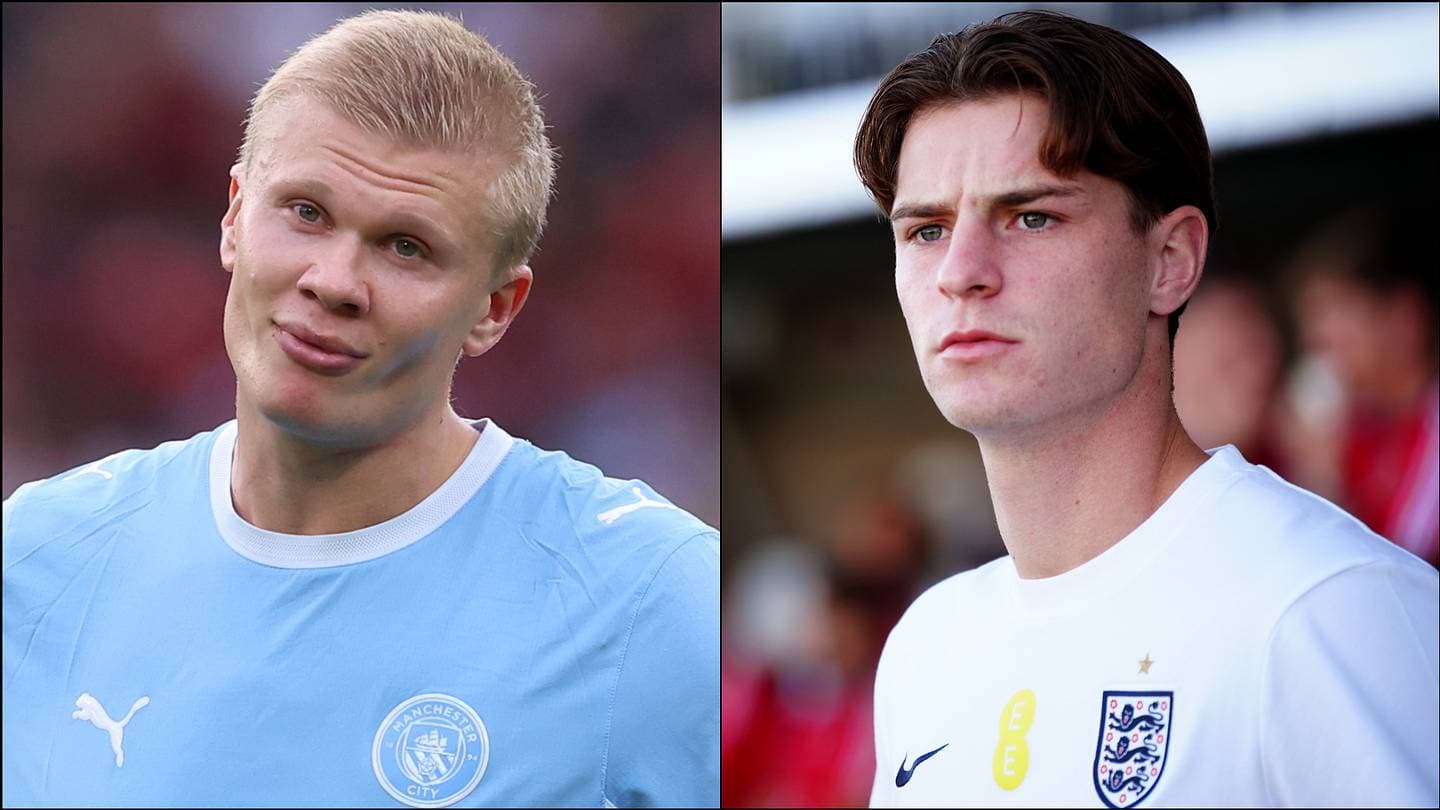
They have spent heavily to reinforce midfield. Elliot Anderson arrives from Nottingham Forest for a reported £116m ($153m), bringing energy, ball-winning bite and a powerful, forward‑driving style. He is an England international with a box‑to‑box profile, not a deep-lying conductor.
That’s the issue. Anderson strengthens the department, but he does not replicate Rodri.
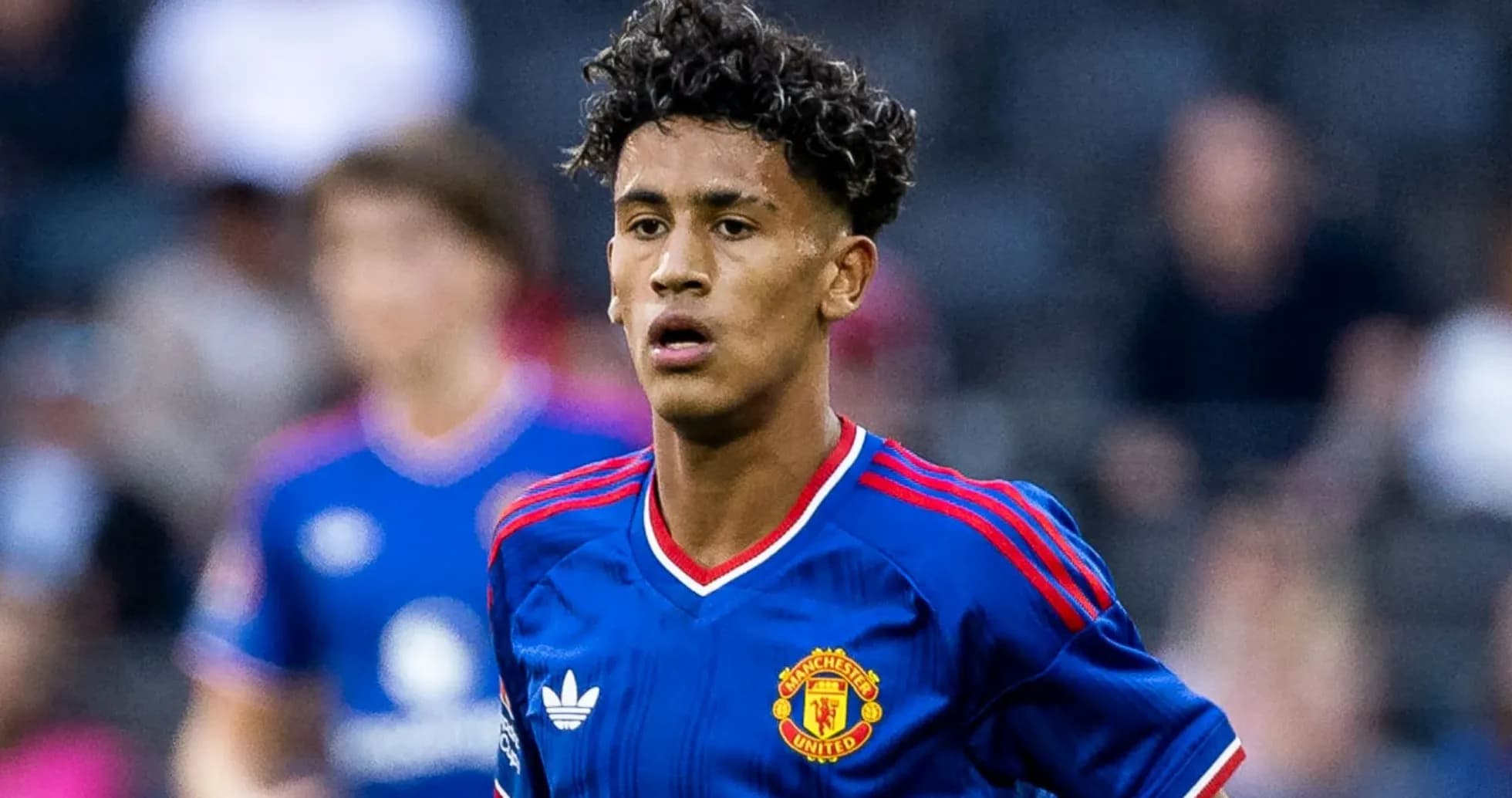
City are also expected to move for 18-year-old Ayyoub Bouaddi from Lille, an exciting talent but still raw and untested at this level. Throwing him straight into the role that Rodri vacates would be a huge leap.
The reality is harsh: there may be no better holding midfielder in world football than the one City have just lost. Maresca may be forced to break that job into pieces, spreading the responsibility across Anderson, younger players and tactical tweaks, and hope the collective can cover the void one man used to fill on his own.
Can Maresca cure City’s late‑game chaos?
Last season’s title bid did not just fade; it unraveled in the most avoidable way. City dropped 17 points from winning positions. For a side built on control, that is a damning number.
Maresca arrives with a reputation for a slightly more pragmatic edge, a coach willing to manage games rather than chase perfection in every phase. On paper, that should help.
But the squad has changed in ways that complicate the picture. John Stones, Bernardo Silva and Nathan Ake have all departed this summer. Those are not just names on a teamsheet; they are players who brought calm, intelligence and versatility to tight situations.
Whether the replacements can give Maresca the platform for a more controlled, game‑management‑focused approach is one of the season’s biggest tactical questions. If City cannot hold leads, the title will again drift away in the small moments.
Is Haaland’s firepower enough?
Strip everything else away and one truth remains: Erling Haaland is still here.
When City click, there are few defences in the league that can live with him. His movement, his physicality, his finishing – he can turn an ordinary performance into three points with a single chance.
But leaning too heavily on one striker is dangerous. City felt that last season, when spells of disjointed build‑up left Haaland isolated and the attack predictable. Opponents learned that if you cut off the supply, you blunt the threat.
Omar Marmoush is a useful option, a willing runner with decent quality, but he is nowhere near Haaland’s level. He cannot carry a title challenge on his own, and he is not meant to.
So Maresca’s task is clear. He must diversify City’s attack, find new patterns, new scorers, new ways to hurt teams. If everything still funnels solely towards Haaland, City risk repeating the same mistakes in the sharpest part of the season.
Will a World Cup hangover drag them down?
As if a summer of upheaval was not enough, City’s squad has been stretched by a deep run into the World Cup for several key players. Haaland, Doku and others went long into the tournament, with six first‑teamers still involved in the final week.
That has left Maresca with a thinner group than he would like for the early stages of preseason, just as he tries to install new ideas and manage a turbulent transfer window.
The impact was visible at Wembley. Against a fresher, sharper Arsenal in the Community Shield, City looked flat, blunt and short of rhythm.
“I don’t know if it was physical condition, we had many players at the World Cup,” Maresca admitted afterwards. “After the first goal the reaction was very good, but after the second goal it was more complicated.”
Those are the growing pains of a new era. The question is whether they are a brief stumble, or the first signs that life after Guardiola will be far rougher than anyone at the Etihad wants to believe.