.svg&w=384&q=75 "Naijagoal logo")

Barcelona's Striker Dilemma: Can They Succeed Without a Number Nine?
Barcelona’s summer rebuild has been bold, expensive and, in one key area, strangely incomplete.
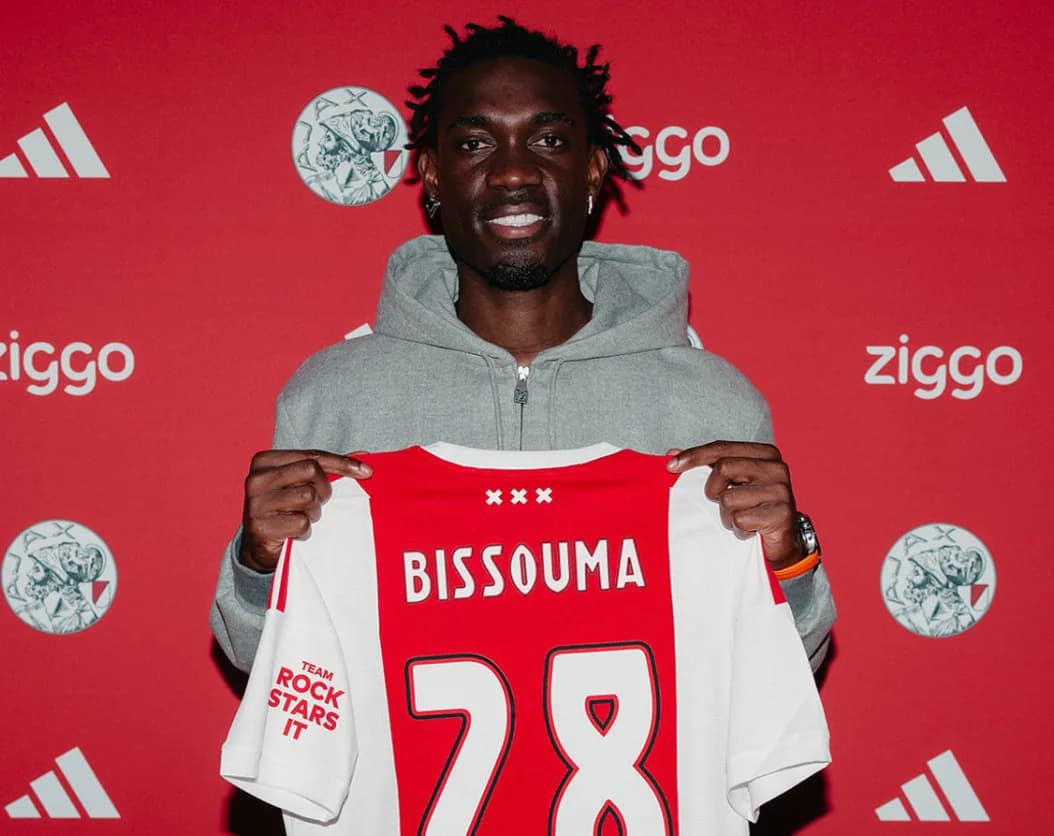
The Spanish champions have loaded up everywhere else. Rodri’s arrival from Manchester City drops a Ballon d'Or winner and World Cup‑winning captain into a midfield already overflowing with technique and control. Anthony Gordon and Karim Adeyemi bring pace and chaos to the flanks, while 18-year-old Belgian winger Jesse Bisiwu has been filed under “one for tomorrow” – and maybe sooner than that.
But for all that business, one question hangs over Hansi Flick’s first season in charge.
A supercharged squad with a glaring hole
Barcelona open their La Liga campaign away at Elche on Sunday, 23 August, and as things stand they are heading into the season without a recognised senior striker. If nobody walks through the door before the window closes on 1 September, Flick could be forced to navigate an entire campaign without a traditional centre-forward.
That is not by design. It is circumstance.
Robert Lewandowski, 37, left when his contract expired at the end of last season, swapping Camp Nou for Chicago Fire in Major League Soccer. Ferran Torres, who quietly became a crucial attacking piece, has joined Paris St‑Germain for about 50m euros (£42.7m).
Torres’ numbers underline the scale of that loss: 21 goals in 49 appearances last season, often operating as the man through the middle when Lewandowski rested or rotated. Between them, Barcelona have lost their veteran finisher and their most reliable understudy in the same summer.
The result is stark. There is no established senior striker left in the first-team squad.
The Alvarez obsession
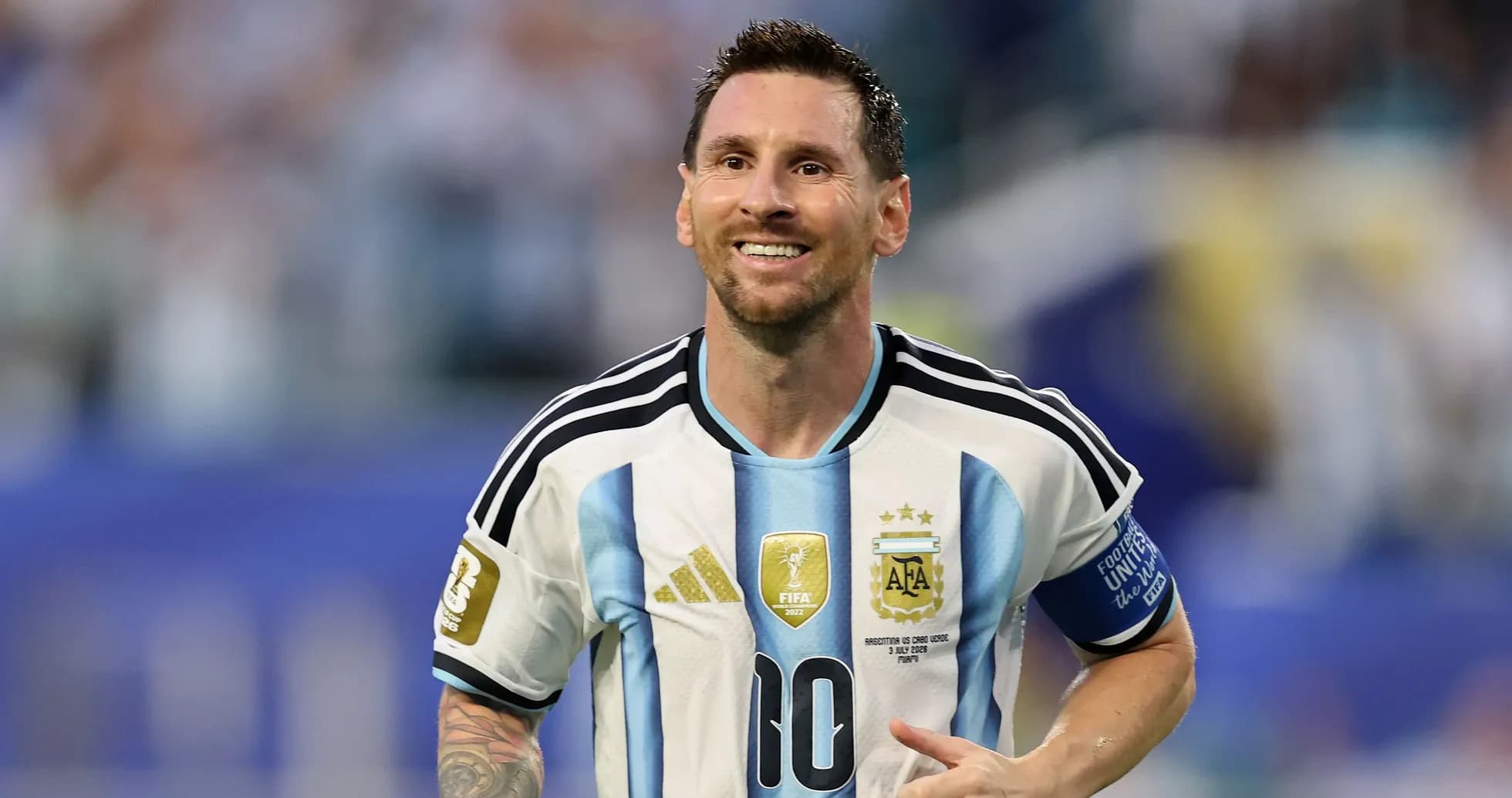
Inside the club, the preferred solution has been clear for some time: Julian Alvarez.
The Argentina international, 26, made it known during the World Cup that he would be open to a move away from Atletico Madrid. Barcelona circled. So did Real Madrid. A tug-of-war felt inevitable.
Atletico shut it down before it could start.
Chief executive Miguel Angel Gil Marin publicly drew a line in the sand, insisting the club would not sell Alvarez, “not even for 200m euros” (£170.8m). It was not subtle. It was, however, effective. As of now, Alvarez is staying put, and Barcelona’s ideal scenario remains just that – an idea.
Flick has not tried to disguise the issue.
“We know we have to do something,” he said this month, acknowledging the need while pointing directly at the solutions already on his training pitch.
Lamine Yamal at the centre of it all
The most obvious of those solutions is also Barcelona’s brightest light.
Teenager Lamine Yamal has already become the focal point of the attack, fresh from a staggering season in which he scored 24 goals and lifted the World Cup with Spain. He can play as a false nine. He can drop off the line, link play, drag centre-backs into places they do not want to go.
Yet his greatest weapon is still his work from the right wing: isolating a full-back, shifting the ball inside, and conjuring chances from angles that look closed to almost everyone else.
Flick knows it. His preference is clear – Lamine Yamal starting wide on the right, facing up his marker, dictating the tempo of the game from that channel. Moving him permanently into the middle solves one problem but risks dulling his sharpest edge.
So Flick is juggling. And he is not short of candidates.
False nines and fluid lines
Dani Olmo offers another take on the false nine role, knitting midfield and attack, dropping into pockets and allowing wide forwards to run beyond him. Raphinha has already been used centrally by Flick, asked to attack space between centre-backs rather than hugging the touchline.
Fermin Lopez, who has spoken openly about being comfortable as a false nine, adds yet another name to the list of internal options. None of them are classic penalty-box strikers. All of them understand space, movement and combination play.
Then there are the runners.
Gordon and Adeyemi give Barcelona something they have badly needed in recent years: raw, direct speed. Both prefer starting from wide positions, both thrive when given grass to attack and defenders to unbalance. Neither is a conventional number nine, but both could profit in a system where no one forward is chained to the centre.
That idea – a fully fluid front line – is Flick’s wild card.
Imagine a front three constantly rotating, Lamine Yamal drifting inside, Gordon darting beyond, Adeyemi swapping flanks, Olmo or Raphinha popping up between the lines. No fixed reference point for defenders, no obvious target to mark. For centre-backs used to wrestling with a single striker, it could be a nightmare.
On paper, it is seductive. On grass, it demands near-perfect understanding and relentless work without the ball.
The missing piece
For all the tactical creativity at Flick’s disposal, one truth cuts through the noise: Barcelona would rather not improvise.
Inside the club, there is no real debate about the ideal scenario. They want a specialised striker. Someone who lives between the posts. Someone whose first instinct, when the ball flashes across the box in the 89th minute, is not to take a touch or look for a pass, but to finish.
Whether financial reality, market resistance and Atletico’s stance on Alvarez allow that to happen before 1 September is another matter entirely.
So Barcelona head to Elche with a supercharged midfield, fresh legs on the wings, a teenage superstar on the right – and a question mark where their number nine should be.
If no one arrives, this season becomes a test of Flick’s tactical imagination as much as his squad’s quality. Can Barcelona win La Liga and go deep in Europe without a traditional striker, or will the absence of a killer in the box define their year?