.svg&w=384&q=75 "Naijagoal logo")

Barcelona's Financial Recovery: From Ruin to Resilience
When Josep Maria Bartomeu finally walked away from the presidency in October 2020, Barcelona were not just bruised. They were broken. A club that had lifted four La Liga titles and a historic treble under his watch now stood on the edge of bankruptcy, hollowed out by bad bets and wild spending.
Bartomeu has never accepted that verdict. Even now, he points to Covid-19 as the great culprit. No stadium. No ticket sales. No museum. No club shops. No football schools. A collapse in revenue, solved, as he tells it, by borrowing – just as “the vast majority of clubs in Europe” supposedly did.
But very few giants were hit as hard as Barça. And that was no accident.
From treble glory to financial ruin
The numbers from Bartomeu’s reign are damning. From July 2015, when he won re-election off the back of the treble, to his departure in October 2020, Barcelona signed 29 players for just over €1 billion. Not one could be called an unqualified success.
The headline failures still sting: Ousmane Dembele, Philippe Coutinho, Antoine Griezmann. Huge transfer fees, huge wages, and a huge drag on the balance sheet. At the same time, Bartomeu brushed aside La Liga’s warning that no club should spend more than 70% of its revenue on salaries.
“The LFP and UEFA make recommendations but nobody sets a salary cap,” he said back then. “We are above what is recommended but the important thing is to be sustainable. We can afford it.”
They couldn’t. Not when the pandemic hit.
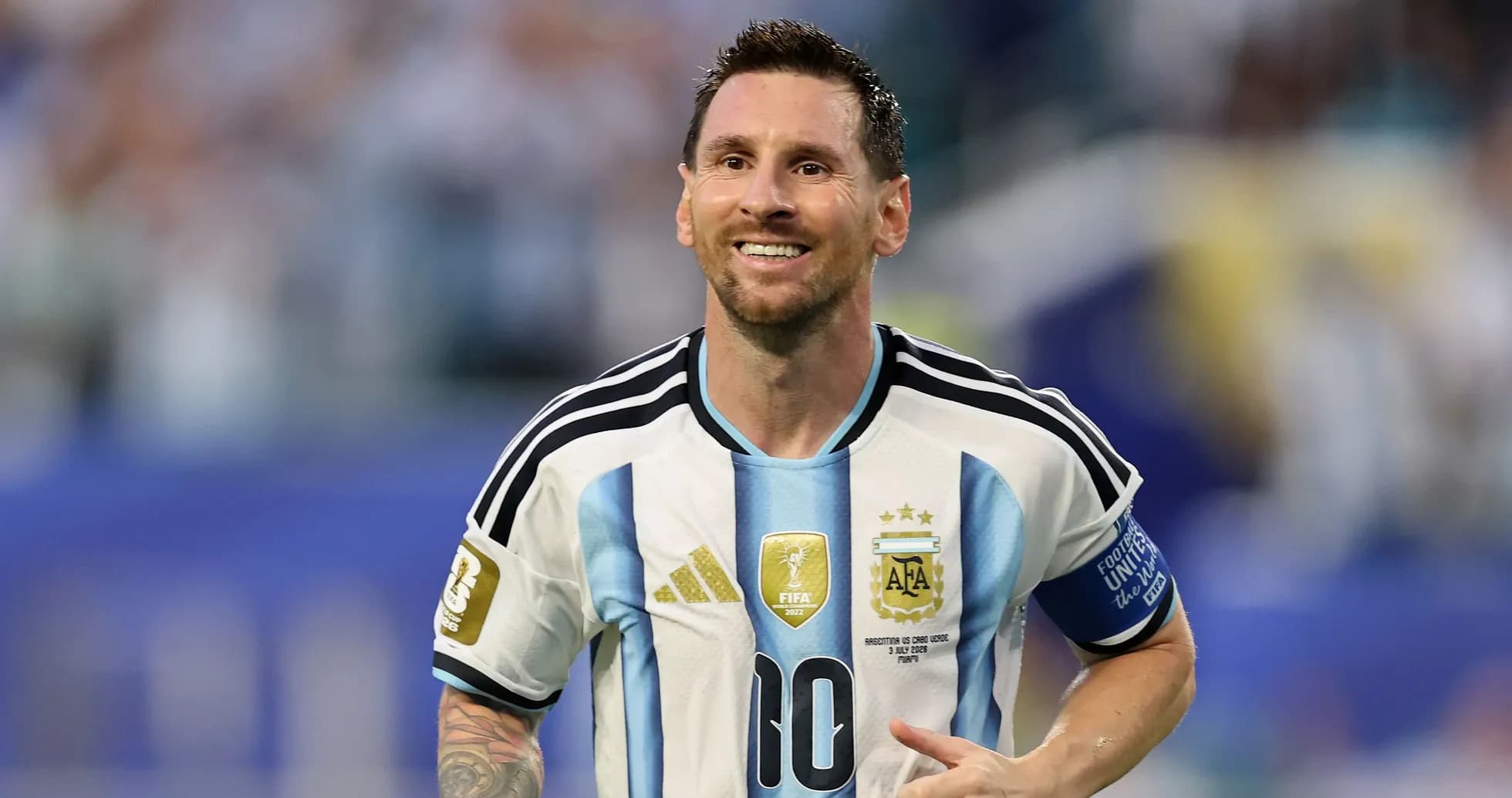
When Covid shut the gates, Barça were left with an ageing, overpaid squad that the market didn’t want. The wage bill was bloated, the options limited. So when Joan Laporta returned to the presidency in March 2021, he walked straight into a nightmare. Within months, he took the decision that still defines his tenure: letting Lionel Messi leave on a free when his contract expired.
“I did what I had to do,” Laporta later told El Pais. Messi was nearing the end of his career, he argued, and the club needed to build something new. He wanted to do it with Messi. He tried. It didn’t happen.
Losing the greatest player in the club’s history was supposed to be the big reset. It wasn’t nearly enough.
The levers era
The financial hole was deeper than most realised. Laporta, facing a crisis on multiple fronts, was pushed towards a brutal choice.
“Laporta basically had two options,” explains Marc Menchen Alba, CEO of Barcelona-based 2Playbook. “The first would have involved focusing solely on reducing the wage bill and selling players, which would have obviously reduced the competitiveness of the squad and basically meant travelling through the footballing wilderness for two or three years.
“The second option, though, was to try to raise as much revenue as possible, and as quickly as possible, by effectively selling off future assets to start winning again immediately.”
Laporta chose the second path. The risky one.
In the summer of 2022, Barcelona pulled their most dramatic “economic lever”: selling 25% of their La Liga broadcasting rights for the next 25 years to Sixth Street, raising €582m. It was the boldest of several financial manoeuvres designed to plug the present-day gap with tomorrow’s money.
In essence, Laporta mortgaged a slice of the club’s future income in the belief that winning now would accelerate long-term recovery. “I remember thinking at the time, this is a bold move,” Menchen says. “But I didn’t like it because I thought there were safer ways to go about it.”
On the pitch, the short-term payoff arrived. Lever money helped fund the signings of Robert Lewandowski from Bayern Munich for €45m, plus Raphinha and Jules Kounde for a combined €108m. By the end of that 2022-23 season, Barcelona were champions of Spain again, lifting La Liga for the first time in four years.
But the price of that gamble soon became clear. “Laporta’s high-risk move led to Barca suffering nearly every summer,” Menchen notes. “We were constantly wondering if the club would be able to register new players.” The summer of 2024 pushed that anxiety to the limit.
Fans turn on Laporta
The tension wasn’t just in the boardroom spreadsheets. It spilled into the stands.
The Dani Olmo saga, with Barça unable to close a deal for a player many fans saw as a perfect fit, became a flashpoint. A significant section of the support had heard enough about levers and future assets. Patience snapped.
Fan group Som un Clam delivered a blistering statement. They called the situation “inadmissible” and the damage to the club’s reputation “irreparable”. They accused the board of “continuous lies” and “false promises that are never fulfilled and that end up harming the Club”.
Their charge sheet was long. In four years, they argued, Barça had “decapitalised” their assets through various levers, selling off strategic pieces of the future to cover holes created by “chaotic and improvised management”. They saw no solid financial plan, no coherent medium- or long-term strategy.
They demanded an end to improvisation, to what they called irresponsible sales that threatened the collective ownership model that defines the club. They called for transparency, planning, and a return to the values that made Barça “more than a club”. And then they went further: they asked for Laporta and his board to resign, and urged fans to mobilise.
All this against a backdrop of an increasingly toxic atmosphere and a Camp Nou redevelopment that felt like it would never end.
Yet Laporta survived. He held his ground. And, 18 months on, the landscape looks different.
La Masia and a quieter revolution
Barcelona have not escaped through another grand gesture. They have inched their way back with restraint.
Last season, they made just one major signing: goalkeeper Joan Garcia, snapped up from Espanyol for €25m, the value of his release clause. At the same time, they sold a raft of players – many of them La Masia products – for significant fees. Homegrown players count as pure profit on the books, and Barça leaned hard into that advantage.
“You can see with the likes of Lamine Yamal and Pau Cubarsi just how important La Masia is to Barcelona in terms of producing players for the senior squad,” Menchen says. Academy graduates arrive already attuned to Barça’s footballing language. That cuts the need for expensive signings.
But La Masia is now doing double duty. It supplies the first team and the transfer market. “Very significantly, over the past few windows, we’ve seen Barca do really well in terms of the sale of academy graduates,” Menchen adds.
In the past, many of these youngsters left for nothing because the club couldn’t find space for them. Now, 18- and 19-year-olds barely known to most fans are leaving for €5m or €10m. Those deals matter. They help Barça hit budgetary targets without gutting the core squad.
Real Madrid have followed a similar blueprint with La Fabrica, cashing in on academy products to help fund big-name arrivals like Yan Diomande. Both Spanish giants pour €20m-30m a year into their youth systems. This summer, that investment has never looked smarter.
Barça still spent heavily in this window, which means a big net outlay overall. But they also pulled off some crucial exits. Paris Saint-Germain agreed to pay €48.5m for Ferran Torres. Lewandowski left on a free, and Liverpool took on the full salary of Ronald Araujo during his loan spell at Anfield. Those moves eased the wage bill and gave the club more room to breathe.
The next move – and the lingering risk
One question now hovers over the squad: how do you replace Lewandowski properly? Could Julian Alvarez be the answer?
Right now, Menchen is cautious. The numbers are tight. But there is a path. “You always have to remember that this is a cash-flow business,” he explains. Sell someone like Marc Casado for €30m, for example, and you can effectively cover Alvarez’s cost for this season, because transfer fees are amortised over the length of the contract.
That’s the new Barça equation: La Masia outgoings funding elite incomings, while the club waits for its rebuilt stadium and a full tourism rebound to kick in. The eventual completion of the new Camp Nou, plus increased museum revenue tied to visitors returning to the city, should, Menchen believes, give Barcelona “complete financial freedom” next summer for the first time since before the pandemic.
So, are the financial nightmares over?
“They are for now,” Menchen says. There is still a warning note. Barça continue to pay around €40m a year to Sixth Street for those Liga rights. For a club targeting €1bn in annual revenue, that might not sound crippling. But at the very top, margins are razor thin. That €40m could be the difference in a transfer battle with Real Madrid.
Even so, Menchen sees “the beginning of the end” of the club’s most serious problems. Laporta took a huge risk. It was the sort of decision that can define – or destroy – a presidency. With three La Liga titles in the last four seasons, he will feel vindicated.
Menchen still believes some of Laporta’s later spending could and should have been avoided, saving money and perhaps sparing Barça from selling future TV rights at all. The long-term consequences of those choices remain unknown.
But one thing has changed. Barcelona are no longer in a position where they need to pull more levers. For a club run in what Menchen calls a “weird and crazy” way for far too long, that alone marks a new chapter – and raises a sharper question.
What happens when Barça finally have stability, and no more excuses?