.svg&w=384&q=75 "Naijagoal logo")

Andoni Iraola's Tactical Challenge at Liverpool
Andoni Iraola has never been afraid of a rebuild. At Bournemouth, it took him 10 Premier League games to taste victory. At Liverpool, he might need a similar dose of patience – from himself and from everyone watching.
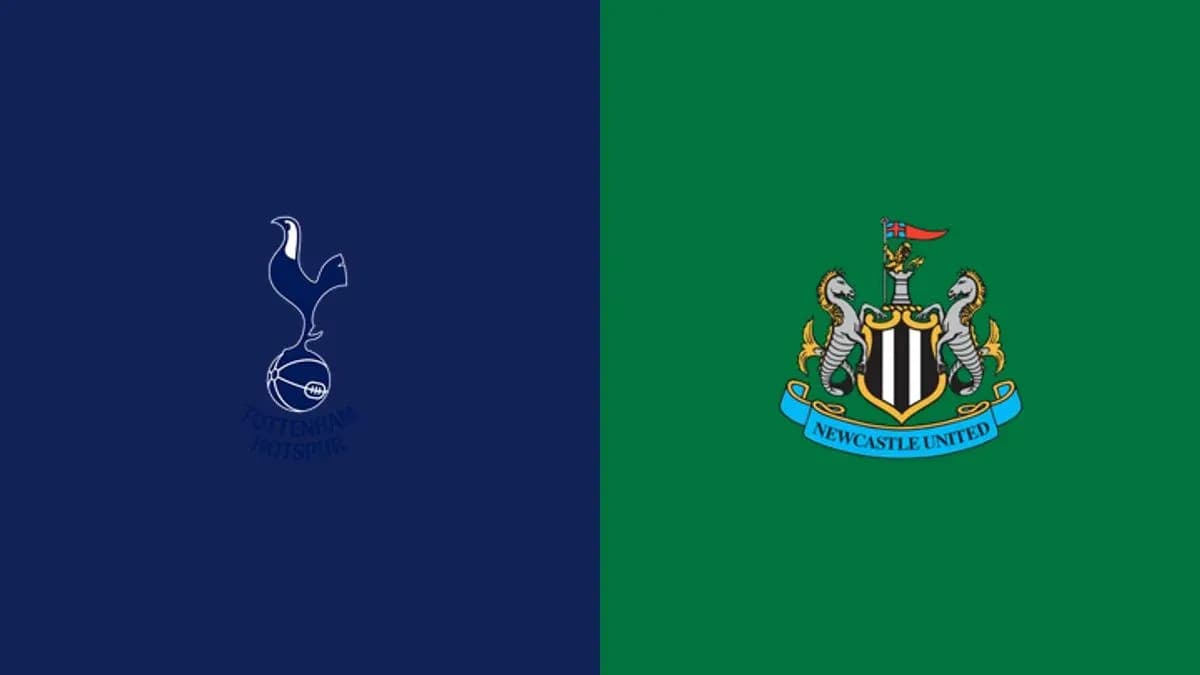
A 2-2 draw with Newcastle on opening day laid the problems bare. Liverpool were outrun, ragged without the ball and, at times, a tactical halfway house. The performance felt less like the start of a new era and more like a team stuck between two identities.
Caught Between Klopp and Slot
On Liverpool’s preseason tour in the United States, Iraola had already fired an early warning shot. He questioned the team’s lack of “energy”, a pointed observation given what came before him. Now, speaking to Steven Gerrard on TNT Sports, he went a step further and put words to the tactical confusion he sees.
Asked by Gerrard whether he felt closer in style to Jurgen Klopp or Arne Slot, Iraola did not hesitate long.
“Probably closer to Jurgen, probably, I would say. But I loved a lot of the things that the team had with Arne also,” he said.
That single answer explains plenty. Klopp’s Liverpool thrived on chaos, speed, and verticality. Slot’s brief spell was built on control, possession, and a more patient dissection of deep blocks. Iraola is trying to weld those worlds together – while coaching a squad whose instincts still lean heavily towards the latter.
“There has to be a balance. Things are going to evolve differently because the first game we had 60, 61 percent of possession straight away,” he noted of the Newcastle draw.
Then came the line that should worry Liverpool supporters as much as it intrigues them.
“Naturally, because the natural tendency of the players is towards that side, and I need to adapt also towards that side. ... But we also need to keep being vertical, keep attacking, keep taking sometimes some risks.”
That “natural tendency” is the crux. This is a group conditioned to slow the game, to circulate the ball, to live high up the pitch. Under Slot, that was the plan. Under Iraola, it’s a problem if it leaves the back door open.
Too Many Ahead of the Ball, Too Much Space Behind
You could see it against Newcastle. Dominik Szoboszlai, Ryan Gravenberch, Jeremie Frimpong and Milos Kerkez all gravitated towards the attacking third when Liverpool had the ball. They were available for the extra pass, always offering for the short option, always looking to probe.
Under Slot, that was the blueprint: drag the low block around, pass, recycle, wait for the gap. Under Iraola, those same positions can be a trap. When too many red shirts stay high and narrow, every turnover becomes an invitation to run at a 35-year-old Virgil van Dijk and a novice partner like Jeremy Jacquet in open space.
Newcastle did not need a second invitation. Both goals Liverpool conceded carried the same theme: defensive exposure, huge distances to cover, and a back line left to solve problems on the run. That is precisely the kind of scenario Iraola wants to avoid, even as he pushes his side to attack with more pace and intent.
He is not just inheriting players. He is inheriting habits.
Two Big Problems, One Clear Message
Strip it back and Iraola is wrestling with two lingering issues from the Slot era.
First, the physical side. After a preseason match against Leeds in early August, he was blunt about where his squad stood.
“I think we played really good [in the] first half, especially the first 30 minutes, but right now probably we don't have much more in terms of the level required to play like this,” he said. “Then they were much better in the second half.
“The problem is right now probably they don't have the energy for 90 minutes and they start to get tired. It will take time with them, we need more training with them.”
He wants a side that can press hard, run relentlessly, and sustain that edge for the full match. At the moment, Liverpool fade. The legs go, the structure loosens, and the game drifts away from the plan.
Second, the tactical muscle memory. The squad is still wired for a possession-heavy, methodical approach. Iraola respects that side of the game – he said as much when he praised the things he “loved” from Slot’s Liverpool – but he is pushing for sharper, quicker, more vertical football. That demands different runs, different starting positions, and different risks.
He knows he has to bend towards his players’ instincts to a degree. They also have to bend towards his. That negotiation is playing out in real time, under the glare of the Premier League.
Patience Required – Again
At Bournemouth, Iraola’s ideas only truly took hold after a rough start. He needed time, training sessions, and a few hard lessons to drag his team up to his physical and tactical demands.
Liverpool are a very different club, with very different expectations, but the pattern may not be so different. A coach who wants Klopp-like intensity with a squad drilled in Slot-style control is always going to face a bumpy transition.
The draw with Newcastle, the fitness concerns, the “natural tendency” in possession – they all point in the same direction. This is not a quick fix. This is a reset.
The question now is simple: will Liverpool allow Iraola the time to reshape a team still living in two tactical worlds, or will the impatience of the present drown out the work needed to build their future?