.svg&w=384&q=75 "Naijagoal logo")

The 50 Greatest Arsenal Players of All Time
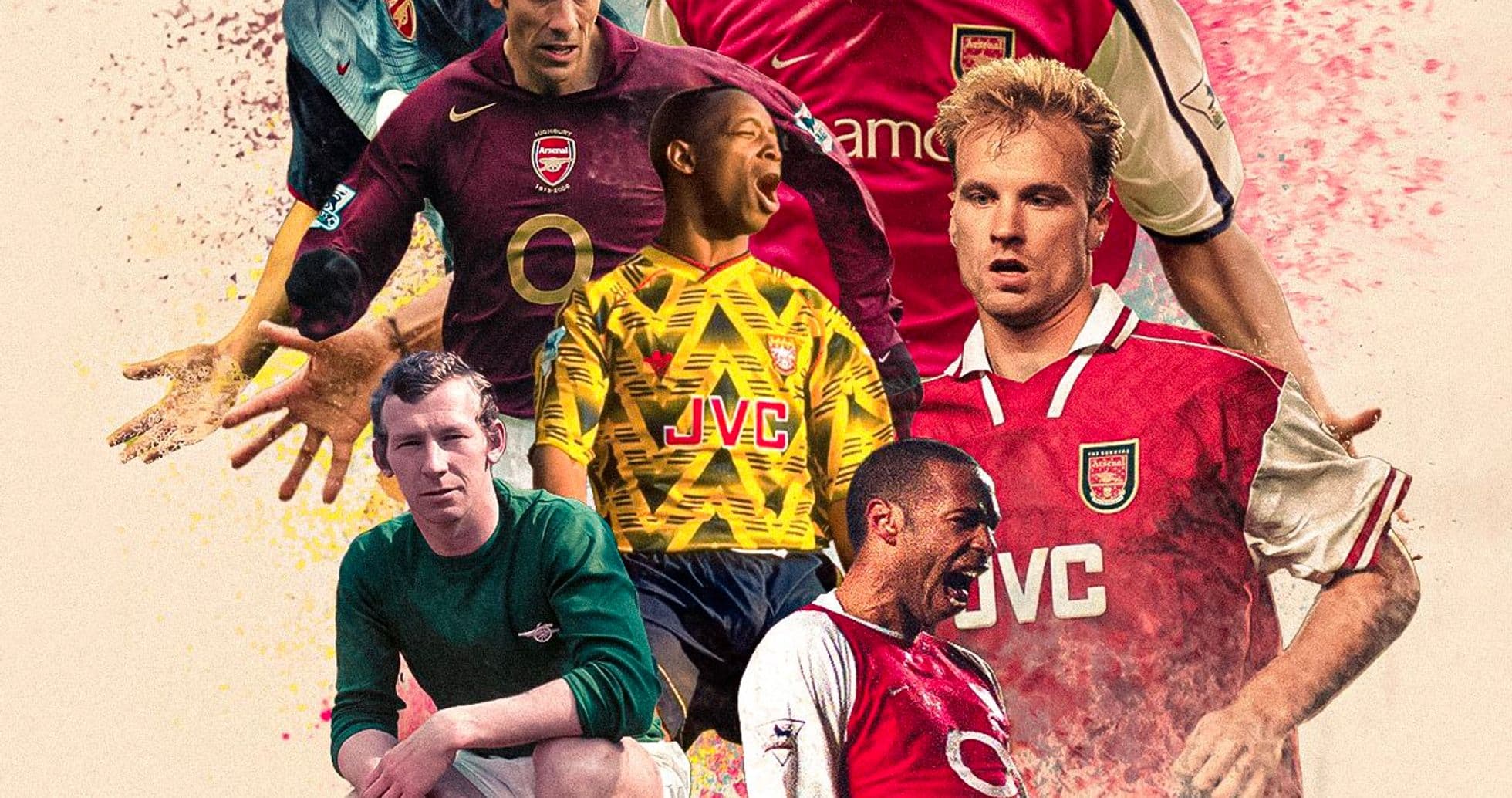
Outside the Emirates Stadium, towering murals of Arsenal icons stand together, a testament to the club's rich history. From its Victorian roots south of the Thames in the 1880s to Herbert Chapman’s revolutionary era at Highbury, Arsenal has produced stars who have dazzled North London and beyond.
Perhaps one day, current talents like Emile Smith Rowe and Bukayo Saka will join this elite list. For now, here are the finest players to don the red and white.
50-41
- Michael Thomas (50): Known for his calm demeanor, Thomas secured the 1988/89 league title for Arsenal with a dramatic last-minute goal at Anfield, forever etching his name into club lore.
- David Jack (49): Signed by Herbert Chapman under unusual negotiation tactics, Jack propelled Arsenal to three titles and remains one of few players to score over 100 top-flight goals for two clubs.
- Jens Lehmann (48): Arsenal’s fiery goalkeeper during the Invincibles era, Lehmann holds the Champions League record for longest clean sheet at 853 minutes.
- Nicolas Anelka (47): A lightning-fast forward, Anelka played a crucial role in Arsenal's 1997/98 Double, including scoring in the FA Cup Final.
- Alan Ball (46): The youngest member of England’s World Cup-winning squad, Ball became a vital midfield presence at Arsenal, scoring over 50 goals.
- Martin Keown (41): Famous for his tenacity and defensive prowess, Keown was a key figure in Wenger’s backline and could even slot into midfield when needed.
- Peter Storey (44): A pillar of reliability, Storey was essential in Bertie Mee’s 1970/71 Double-winning team.
- Brian Talbot (43): Known for his strength and consistency, Talbot rarely missed a game and scored in an FA Cup Final during his six years at Arsenal.
- Aaron Ramsey (42): Twice an FA Cup Final winner, Ramsey overcame early injury setbacks to become one of the Premier League’s best all-around midfielders.
- George Graham (41): Before managing Arsenal to glory, Graham was a stylish midfielder and part of the 1970/71 Double-winning side, uniquely winning titles as both player and manager.
40-31
- Malcolm McDonald (40): A prolific scorer nicknamed Super Mac, he topped Arsenal’s scoring charts twice, helping the club recover from relegation scares.
- Lauren (39): Converted from midfielder to right-back, Lauren was an engine on the wing and a loyal member of the Invincibles.
- Nigel Winterburn (38): Known affectionately as Nutty Nigel, the left-back won three titles and was a consistent performer often overlooked by England selectors.
- George Armstrong (37): Ever-present during the 1971 Double, Armstrong was a dependable winger known for his precise assists.
- Ashley Cole (36): Emerging from Arsenal's youth ranks, Cole redefined the modern full-back with his pace and attacking runs despite a controversial exit.
- John Radford (35): Arsenal’s third highest scorer, Radford was a no-nonsense striker who contributed crucial goals and assists, including two in the 1971 FA Cup Final.
- Cesc Fabregas (34): Arriving as a teenager, Fabregas brought vision and technical brilliance that shaped Arsenal’s style and led them to the 2006 Champions League Final.
- Sylvain Wiltord (33): A clutch player remembered for his goal securing the 2002 Double, Wiltord was versatile and effective throughout his Arsenal tenure.
- Charlie Nicholas (32): Dubbed Champagne Charlie, his flair and skill dazzled fans in the 1980s, highlighted by key goals in major matches.
- Steve Bould (31): Discovered alongside Lee Dixon, Bould was a tough, intelligent defender and Adams’ reliable partner in defence during the 1989 title win.
30-21
- Alex James (30): A brilliant playmaker from Herbert Chapman’s era, James was famed for his intelligence and elegant passing, inspiring future generations.
- Nwankwo Kanu (29): Despite a rocky start, Kanu became a cult hero with his skill, hat-trick against Chelsea, and memorable goal celebrations.
- Ted Drake (28): Holding the record for seven goals in one match, Drake was a powerful forward and a key figure in Arsenal’s 1930s success.
- Kolo Toure (27): Converted from midfield to defence, Toure was a dynamic, passionate defender and part of the Invincibles squad.
- Frank McLintock (26): Captain of the 1971 Double winners, McLintock was a leader who overcame a challenging start to become a club legend.
- Lee Dixon (25): Known for his defensive intelligence and work rate, Dixon was a mainstay in Arsenal’s backline for over a decade.
- Emmanuel Petit (24): The only Arsenal player to score in a World Cup Final, Petit formed a formidable midfield partnership with Vieira during the 1998 Double.
- Kenny Sansom (23): A durable left-back, Sansom was a fan favorite and captain, winning the 1987 League Cup.
- Paul Merson (22): Creative and hardworking, Merson played key roles in title wins before overcoming personal struggles to return as a club hero.
- Marc Overmars (21): Quick and skilled, Overmars was instrumental in Arsenal’s 1998 Double, scoring important goals including the winner at Old Trafford.
20-11
- Gilberto Silva (20): Often called the 'invisible wall,' Gilberto was a composed defensive midfielder crucial to Arsenal’s unbeaten run and 2006 Champions League final appearance.
- Bob Wilson (19): A brave and commanding goalkeeper, Wilson was vital in Arsenal’s 1970 Fairs Cup and 1971 Double triumphs and later mentored successors.
- Alan Smith (18): A clinical striker known for his timing and aerial ability, Smith scored decisive goals including the opener in the 1994 Cup Winners' Cup Final.
- David Rocastle (17): Beloved for his flair and pace, Rocastle was a central figure in the 1989 and 1991 title-winning teams and remains a cherished figure.
- Pat Jennings (16): Renowned for his positioning rather than flashy saves, Jennings was a steady presence between the sticks for Arsenal in the late 70s and early 80s.
- Pat Rice (15): A loyal right-back and captain, Rice was a cornerstone in the 1971 Double team and later served as assistant manager under Wenger.
- Ray Parlour (14): Known as the 'Romford Pele,' Parlour combined work rate and skill, earning Man of the Match honors during Arsenal’s 2002 Double season.
- Sol Campbell (13): A bargain signing from Tottenham, Campbell became a dominant centre-back, winning two Premier League titles and scoring a Champions League final goal.
- Freddie Ljungberg (12): A clutch performer, Ljungberg scored critical goals in FA Cup Finals and was known for his energetic, physical style and iconic red hair.
- David O'Leary (11): Arsenal’s all-time appearance leader, O’Leary combined elegance with longevity, contributing to multiple title wins over two decades.
10-1
- Cliff Bastin (10): One of Arsenal’s greatest goal scorers, Bastin’s elegant style and prolific record stood strong for decades after his retirement.
- Charlie George (9): Famous for his winning volley in the 1971 FA Cup Final, George embodied flair and passion, becoming a beloved club icon.
- David Seaman (8): Nicknamed 'Safe Hands,' Seaman was a key figure in two Doubles and known for incredible saves that helped Arsenal win trophies.
- Liam Brady (7): A naturally gifted playmaker, Brady’s vision and technique made him a standout in the 1970s, winning multiple individual awards.
- Robert Pires (6): Initially struggling with physicality, Pires became a fan favorite thanks to his skill and knack for scoring in big matches.
- Ian Wright (5): Rising from a late start, Wright became Arsenal’s all-time leading scorer, admired for both his goals and infectious personality.
- Patrick Vieira (4): A commanding midfielder and leader, Vieira was central to Arsenal’s successes in the late 90s and early 2000s, including the unbeaten 2004 season.
- Tony Adams (3): Known as 'Mr Arsenal,' Adams was a fearless captain and defender whose leadership shaped the club for nearly two decades.
- Dennis Bergkamp (2): A creative genius, Bergkamp’s elegant style and visionary play inspired Arsenal’s revival and remains influential today.
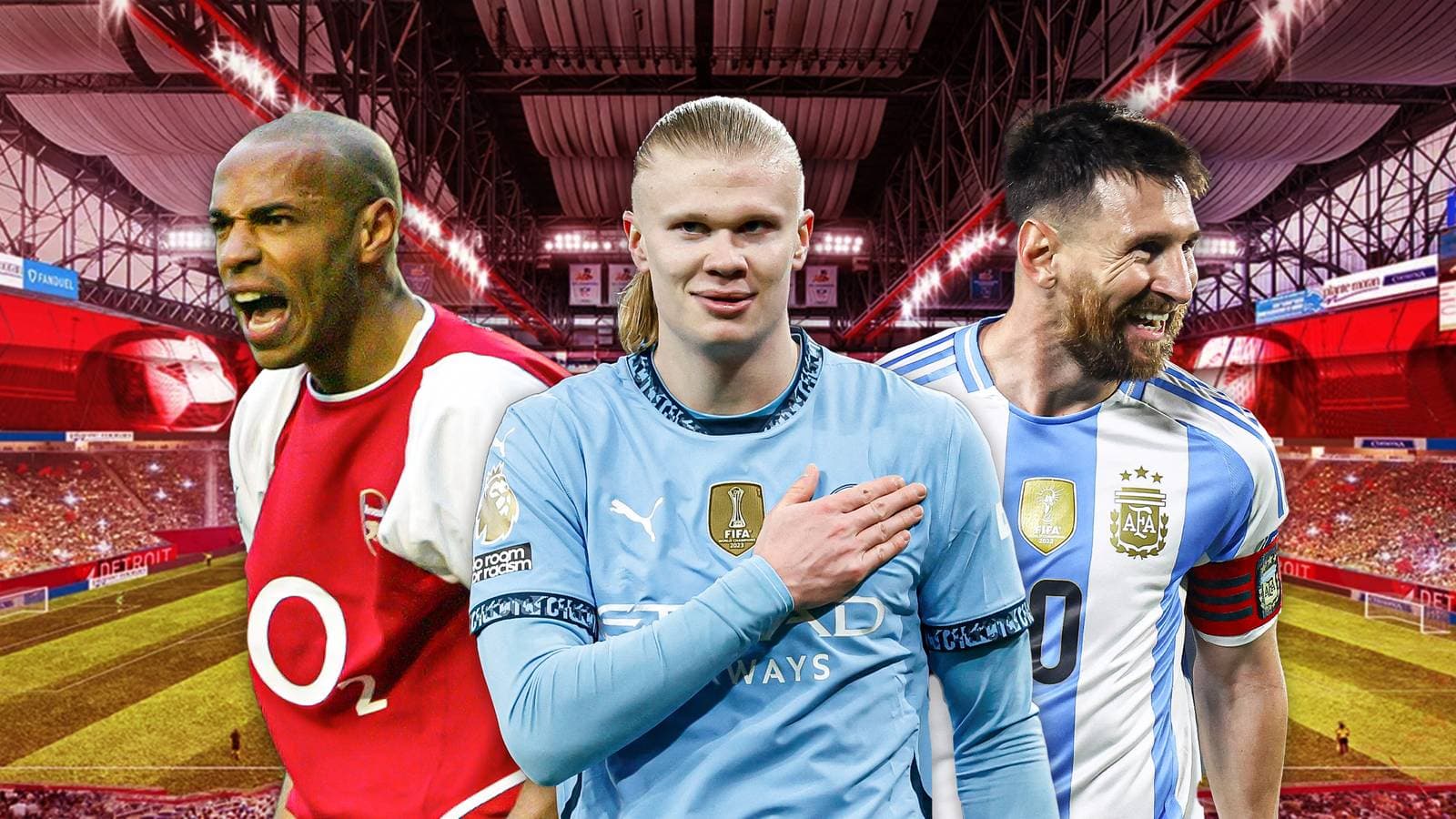
- Thierry Henry (1): Starting as a misfit, Henry became Arsenal’s greatest goal scorer and a global icon, leading the club to multiple titles and unforgettable moments.